Coverage
Motor Truck Cargo Insurance
Where commercial auto liability addresses the motor carrier’s responsibility to third parties and physical damage protects the vehicle, motor truck cargo insurance covers what liability and physical damage do not: the freight itself. Available through the RTA partner program, backed by Lloyd’s of London.
states
interest billing
down to start
online
states
classes
reinsurers
online
Auto hauler. Owner-operator.
AZ
$12,867
Refrigerated goods hauling. Owner-operator.
CA
$10,390
Dirt, sand & gravel and refuse hauling, new venture. 1-5 vehicles.
FL
$14,095
Dry van / flatbed / LTL. Owner-operator.
GA
$8,109
Dry van / flatbed / LTL, new venture. 5-10 vehicles.
IL
$9,359
Refrigerated goods hauling, renewal, retained account. Owner-operator.
IN
$8,816
Dirt, sand & gravel and refuse hauling, $1,500,000 liability limits. Owner-operator.
NJ
$12,916
Dirt, sand & gravel and refuse hauling, new venture. 1-5 vehicles.
TX
$12,098
Dirt, sand & gravel, large fleet. 10+ vehicles.
TX
$11,829
Mixed fleet operations, large fleet, new venture. 10+ vehicles.
WA
$10,318
Reviewed by STAR Mutual RRG.
What Does Motor Truck Cargo Insurance Cover?
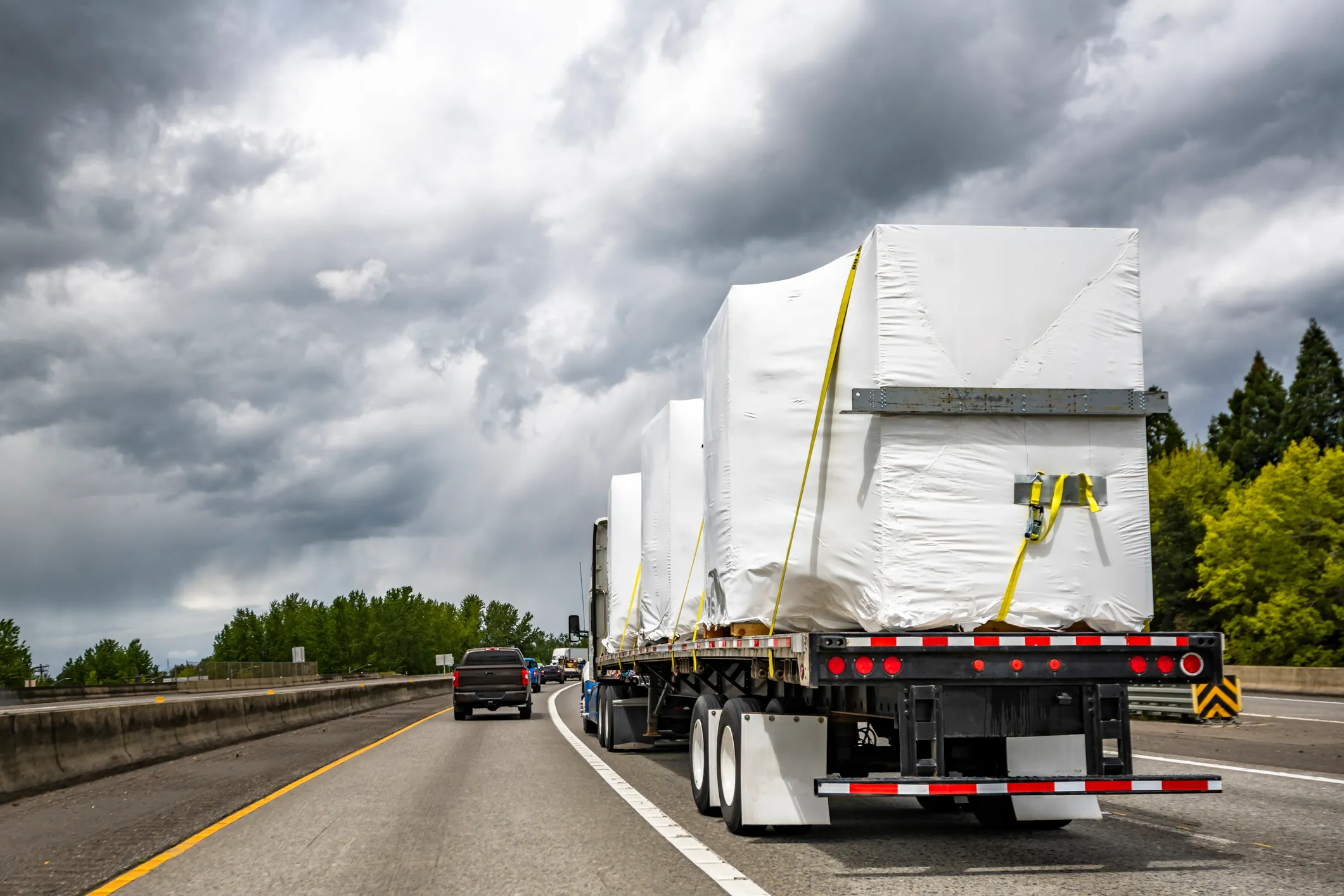
Motor truck cargo coverage covers loss or damage to freight in the motor carrier’s care, custody, and control from covered events during transit. Coverage scope and limits vary by operation and state.
Theft—covers situations where freight is stolen from a covered vehicle during transit, including theft of the entire load or partial theft from a secured vehicle
Fire and Disaster—loss or damage caused by fire, explosion, or natural disaster events, including weather-related events resulting in physical damage to cargo.
Covered Perils—collision or overturn of the carrying vehicle; fire and explosion; theft; natural disaster and severe weather; flood and water damage; collapse of bridges or culverts; intermodal exposures where applicable.
Who Is Motor Truck Cargo Insurance For?
Motor truck cargo insurance coverage is relevant for any for-hire operation that transports freight owned by others. The RTA program is available for a range of trucking operations in the states where it operates.
Owner-Operators
Independent owner-operators take on direct financial responsibility for freight at the moment they accept a load. Owner-operator cargo insurance addresses the financial exposure when freight is lost or damaged during transit. Many freight brokers specify a minimum cargo limit as part of their requirements for working with an owner-operator—an appointed agent can confirm the coverage structure appropriate for a specific operation.
Motor Carriers
For-hire motor carriers carry ongoing exposure for every load they move. Motor carrier cargo insurance through the RTA program addresses the cargo exposure across the entire operation—from local pickup to long-haul interstate delivery—with limits available to meet the specifications of the brokers and shippers the operation works with.
Trucking Companies
Transportation businesses managing multiple drivers and vehicles benefit from trucking cargo insurance available across the fleet—for a wide range of trucking classes with limits and terms structured around the commodity types and configurations of each operation.
LTL and Specialty Operations
Less-than-truckload carriers and specialty freight operations—including intermodal and refrigerated goods transport—have distinct cargo exposures. The RTA program is available for LTL operations, intermodal exposures, and refrigerated goods transport subject to program eligibility criteria.
Coverage for Different Vehicle Types and Operations
The RTA motor truck cargo program addresses a range of commercial vehicles and trucking operations. An appointed agent can confirm eligibility for a specific vehicle type, commodity, and state.
By Vehicle Type
Semi Trucks / Tractors—the primary vehicle for general freight and LTL cargo programs
Dry Vans—the most common trailer type in the program
Flatbed Trucks—open-deck freight and commodity-specific coverage
Cargo Vans and Sprinter Vans—last-mile delivery and expeditor operations
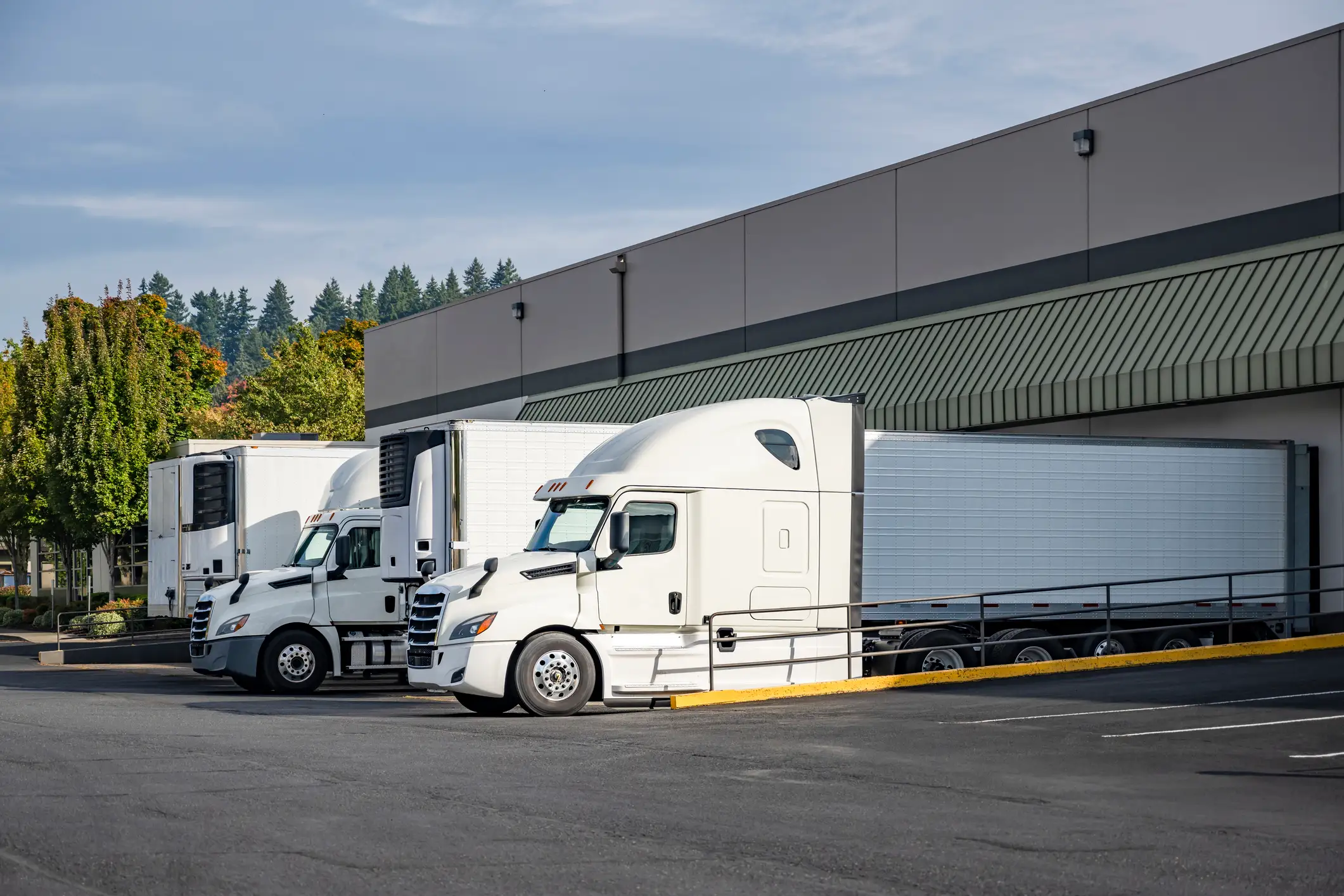
Reefer (Refrigerated) Trucks—temperature-controlled transport
By Operation
General Freight—dry van, flatbed, and step-deck operations
Less-Than-Truckload (LTL)—partial load operations within program guidelines
Last-Mile Delivery—cargo vans and box trucks under commercial authority
Refrigerated Goods—reefer operations transporting temperature-sensitive cargo
Hotshot & Expeditor—time-critical freight
Trailer Interchange—non-owned trailers operated under interchange agreements
Available Through the RTA Partner Program
Motor truck cargo coverage is available to STAR Mutual’s appointed agents through the RTA program, designed specifically for trucking operations and freight carriers, backed by Lloyd’s of London.
New Ventures Eligible
CDL and Non-CDL Accepted
Cargo limits up to $200,000 depending on operation and commodity
Local, Regional, and Long-Haul
Intermodal Coverage Considered
Discounts Available
Ready to Add Motor Truck Cargo Coverage?
Same-day eligibility. Fast filings. A rate that reflects the operator’s own record. STAR Mutual is built for safety-first operators. For the agents who place them, it’s a program that holds at renewal. Long-term relationships start with the right appointment.
Motor Truck Cargo Insurance Cost
The specific profile of each operation determines motor truck cargo insurance premiums, not a market average. An appointed agent can request a rate for a specific operation, commodity type, and state. Several factors influence the final rate:
Commodity type
Cargo limits selected
Type of operation
Operating radius
Driving record and experience
Fleet size and discounts

States Where Motor Truck Cargo Coverage Is Available
Motor truck cargo coverage through the RTA program is currently available in 33 states, including Texas, California, Florida, and Illinois. An appointed agent can confirm current availability for a specific state and operation.
Explore States We Cover
Cargo Insurance vs Other Transportation Coverages
Commercial truck cargo insurance addresses the freight. A complete commercial trucking program addresses three things: third-party liability, the vehicle, and the freight. Motor truck cargo insurance is the third. Knowing how it relates to the other two helps agents place the appropriate combination and gives operators a clear picture of what each one is designed for.
Motor Truck Cargo vs Commercial Auto Liability
Commercial auto liability addresses the motor carrier’s responsibility to third parties. Motor truck cargo covers the motor carrier’s responsibility for freight owned by others: the financial exposure that arises when goods are damaged, lost, or stolen during transit. Both involve different parties and different types of loss. A complete program involves both.
Motor Truck Cargo vs Physical Damage
Physical damage addresses the asset. Cargo addresses the load. Both are available through the RTA partner program.
Freight Insurance vs Motor Truck Cargo Insurance
Motor truck cargo insurance is written for for-hire motor carriers, addressing their legal liability for freight in their care, custody, and control. Freight insurance is a broader term referring to coverage from the shipper’s perspective. When a broker or shipper specifies cargo insurance, a motor truck cargo policy is the coverage that meets that specification.
Motor Truck Cargo vs Goods in Transit Insurance
Goods in transit covers goods from the cargo owner’s perspective, a term more common in international shipping. Motor truck cargo insurance is the domestic trucking equivalent, written for the motor carrier. Goods in transit covers the shipper’s exposure. Motor truck cargo covers the motor carrier’s exposure.
Complete Your Commercial Auto Insurance Coverage
Motor truck cargo insurance addresses the freight. The coverages below address what cargo alone is not designed to cover.
Frequently Asked Questions about Motor Truck Cargo Insurance
What Is motor truck cargo (MTC) insurance?
Motor truck cargo insurance—commonly abbreviated as MTC—is a commercial insurance coverage that addresses loss or damage to freight being transported by a for-hire motor carrier during transit. It addresses the motor carrier's legal responsibility for goods owned by others from the moment they enter the motor carrier's care, custody, and control through final delivery. It is distinct from commercial auto liability, which addresses the motor carrier's responsibility to third parties, and from physical damage insurance, which addresses the vehicle itself. Where liability addresses the business's responsibility to others and physical damage addresses the vehicle, MTC addresses the load.
How does motor truck cargo insurance work with primary liability insurance?
Primary liability addresses incidents where the motor carrier bears responsibility for bodily injury or property damage to third parties. Cargo coverage addresses freight in the motor carrier's care, custody, and control when it is damaged, lost, or stolen during transit. The two coverages do not overlap—they work together. Many freight brokers and shippers specify both as part of their requirements for working with a motor carrier.
Is motor truck cargo insurance required by brokers and shippers?
Many freight brokers and shippers specify motor truck cargo insurance as part of their requirements for working with a motor carrier—and typically set a minimum cargo limit. An appointed agent can confirm whether the available limits meet the specifications of a specific broker or shipper relationship and confirm the limit structure appropriate for a specific operation.
Is inland marine insurance the same as cargo insurance?
Inland marine is a broad category of commercial property insurance that addresses goods in transit and property that moves. Motor truck cargo insurance is a specific inland marine product written for for-hire motor carriers. The terms are sometimes used interchangeably, but they refer to different products with different policy forms and coverage structures.
What is contingent motor truck cargo insurance?
Contingent cargo insurance addresses the exposure of freight brokers and logistics companies—it addresses situations where a motor carrier's primary motor truck cargo policy does not respond to a loss or when the responsible motor carrier cannot be identified. It is not a substitute for motor truck cargo insurance written directly for the motor carrier. For-hire motor carriers carry their own motor truck cargo coverage—contingent cargo addresses the broker's exposure, not the motor carrier's.
Does motor truck cargo insurance cover the full value of the load?
Motor truck cargo coverage addresses covered loss or damage up to the cargo limit selected. Selecting a limit that reflects the maximum value of freight regularly transported is part of structuring the coverage appropriately for the operation. An appointed agent can confirm the cargo limit options available for a specific operation and commodity type.
What Does Motor Truck Cargo Insurance Cover?
Motor truck cargo coverage covers loss or damage to freight in the motor carrier’s care, custody, and control from covered events during transit. Coverage scope and limits vary by operation and state.
Theft—covers situations where freight is stolen from a covered vehicle during transit, including theft of the entire load or partial theft from a secured vehicle
Fire and Disaster—loss or damage caused by fire, explosion, or natural disaster events, including weather-related events resulting in physical damage to cargo.
Covered Perils—collision or overturn of the carrying vehicle; fire and explosion; theft; natural disaster and severe weather; flood and water damage; collapse of bridges or culverts; intermodal exposures where applicable.
Who Is Motor Truck Cargo Insurance For?
Motor truck cargo insurance coverage is relevant for any for-hire operation that transports freight owned by others. The RTA program is available for a range of trucking operations in the states where it operates.
Owner-Operators
Independent owner-operators take on direct financial responsibility for freight at the moment they accept a load. Owner-operator cargo insurance addresses the financial exposure when freight is lost or damaged during transit. Many freight brokers specify a minimum cargo limit as part of their requirements for working with an owner-operator—an appointed agent can confirm the coverage structure appropriate for a specific operation.
Motor Carriers
For-hire motor carriers carry ongoing exposure for every load they move. Motor carrier cargo insurance through the RTA program addresses the cargo exposure across the entire operation—from local pickup to long-haul interstate delivery—with limits available to meet the specifications of the brokers and shippers the operation works with.
Trucking Companies
Transportation businesses managing multiple drivers and vehicles benefit from trucking cargo insurance available across the fleet—for a wide range of trucking classes with limits and terms structured around the commodity types and configurations of each operation.
LTL and Specialty Operations
Less-than-truckload carriers and specialty freight operations—including intermodal and refrigerated goods transport—have distinct cargo exposures. The RTA program is available for LTL operations, intermodal exposures, and refrigerated goods transport subject to program eligibility criteria.
Coverage for Different Vehicle Types and Operations
The RTA motor truck cargo program addresses a range of commercial vehicles and trucking operations. An appointed agent can confirm eligibility for a specific vehicle type, commodity, and state.
By Vehicle Type
Semi Trucks / Tractors—the primary vehicle for general freight and LTL cargo programs
Dry Vans—the most common trailer type in the program
Flatbed Trucks—open-deck freight and commodity-specific coverage
Cargo Vans and Sprinter Vans—last-mile delivery and expeditor operations
Reefer (Refrigerated) Trucks—temperature-controlled transport
By Operation
General Freight—dry van, flatbed, and step-deck operations
Less-Than-Truckload (LTL)—partial load operations within program guidelines
Last-Mile Delivery—cargo vans and box trucks under commercial authority
Refrigerated Goods—reefer operations transporting temperature-sensitive cargo
Hotshot & Expeditor—time-critical freight
Trailer Interchange—non-owned trailers operated under interchange agreements
Available Through the RTA Partner Program
Motor truck cargo coverage is available to STAR Mutual’s appointed agents through the RTA program, designed specifically for trucking operations and freight carriers, backed by Lloyd’s of London.
New Ventures Eligible
CDL and Non-CDL Accepted
Cargo limits up to $200,000 depending on operation and commodity
Local, Regional, and Long-Haul
Intermodal Coverage Considered
Discounts Available
Ready to Add Motor Truck Cargo Coverage?
Same-day eligibility. Fast filings. A rate that reflects the operator’s own record. STAR Mutual is built for safety-first operators. For the agents who place them, it’s a program that holds at renewal. Long-term relationships start with the right appointment.
Motor Truck Cargo Insurance Cost
The specific profile of each operation determines motor truck cargo insurance premiums, not a market average. An appointed agent can request a rate for a specific operation, commodity type, and state. Several factors influence the final rate:
Commodity type
Cargo limits selected
Type of operation
Operating radius
Driving record and experience
Fleet size and discounts
States Where Motor Truck Cargo Coverage Is Available
Motor truck cargo coverage through the RTA program is currently available in 33 states, including Texas, California, Florida, and Illinois. An appointed agent can confirm current availability for a specific state and operation.
Explore States We Cover
Cargo Insurance vs Other Transportation Coverages
Commercial truck cargo insurance addresses the freight. A complete commercial trucking program addresses three things: third-party liability, the vehicle, and the freight. Motor truck cargo insurance is the third. Knowing how it relates to the other two helps agents place the appropriate combination and gives operators a clear picture of what each one is designed for.
Motor Truck Cargo vs Commercial Auto Liability
Commercial auto liability addresses the motor carrier’s responsibility to third parties. Motor truck cargo covers the motor carrier’s responsibility for freight owned by others: the financial exposure that arises when goods are damaged, lost, or stolen during transit. Both involve different parties and different types of loss. A complete program involves both.
Motor Truck Cargo vs Physical Damage
Physical damage addresses the asset. Cargo addresses the load. Both are available through the RTA partner program.
Freight Insurance vs Motor Truck Cargo Insurance
Motor truck cargo insurance is written for for-hire motor carriers, addressing their legal liability for freight in their care, custody, and control. Freight insurance is a broader term referring to coverage from the shipper’s perspective. When a broker or shipper specifies cargo insurance, a motor truck cargo policy is the coverage that meets that specification.
Motor Truck Cargo vs Goods in Transit Insurance
Goods in transit covers goods from the cargo owner’s perspective, a term more common in international shipping. Motor truck cargo insurance is the domestic trucking equivalent, written for the motor carrier. Goods in transit covers the shipper’s exposure. Motor truck cargo covers the motor carrier’s exposure.
Complete Your Commercial Auto Insurance Coverage
Motor truck cargo insurance addresses the freight. The coverages below address what cargo alone is not designed to cover.
Frequently Asked Questions about Motor Truck Cargo Insurance
What Is motor truck cargo (MTC) insurance?
Motor truck cargo insurance—commonly abbreviated as MTC—is a commercial insurance coverage that addresses loss or damage to freight being transported by a for-hire motor carrier during transit. It addresses the motor carrier's legal responsibility for goods owned by others from the moment they enter the motor carrier's care, custody, and control through final delivery. It is distinct from commercial auto liability, which addresses the motor carrier's responsibility to third parties, and from physical damage insurance, which addresses the vehicle itself. Where liability addresses the business's responsibility to others and physical damage addresses the vehicle, MTC addresses the load.
How does motor truck cargo insurance work with primary liability insurance?
Primary liability addresses incidents where the motor carrier bears responsibility for bodily injury or property damage to third parties. Cargo coverage addresses freight in the motor carrier's care, custody, and control when it is damaged, lost, or stolen during transit. The two coverages do not overlap—they work together. Many freight brokers and shippers specify both as part of their requirements for working with a motor carrier.
Is motor truck cargo insurance required by brokers and shippers?
Many freight brokers and shippers specify motor truck cargo insurance as part of their requirements for working with a motor carrier—and typically set a minimum cargo limit. An appointed agent can confirm whether the available limits meet the specifications of a specific broker or shipper relationship and confirm the limit structure appropriate for a specific operation.
Is inland marine insurance the same as cargo insurance?
Inland marine is a broad category of commercial property insurance that addresses goods in transit and property that moves. Motor truck cargo insurance is a specific inland marine product written for for-hire motor carriers. The terms are sometimes used interchangeably, but they refer to different products with different policy forms and coverage structures.
What is contingent motor truck cargo insurance?
Contingent cargo insurance addresses the exposure of freight brokers and logistics companies—it addresses situations where a motor carrier's primary motor truck cargo policy does not respond to a loss or when the responsible motor carrier cannot be identified. It is not a substitute for motor truck cargo insurance written directly for the motor carrier. For-hire motor carriers carry their own motor truck cargo coverage—contingent cargo addresses the broker's exposure, not the motor carrier's.
Does motor truck cargo insurance cover the full value of the load?
Motor truck cargo coverage addresses covered loss or damage up to the cargo limit selected. Selecting a limit that reflects the maximum value of freight regularly transported is part of structuring the coverage appropriately for the operation. An appointed agent can confirm the cargo limit options available for a specific operation and commodity type.
On this page
How to Get Insurance with STAR Mutual RRG
STAR Mutual insurance coverage is available exclusively through appointed independent agents—agents who know the program, understand the appetite, and can give a same-day answer on eligibility.
1
Ask the agent
The operator's current insurance agent can confirm whether they are appointed with STAR Mutual; if not, they can be appointed through the 'Get appointed' form submission.
2
Submit the operation details
The agent gets access to our platform and submits the operation details—vehicle type, trucking class, operating radius, and driver history. Most submissions receive an immediate eligibility response, same day.
3
Get the policy placed
Once eligible, the policy is placed online. COIs are available same day. BMC-91X and state filings are submitted as part of the placement process; the MCS-90 endorsement is issued with the policy.
Get appointed
Agent login
Related Resources
Become a STAR Agent
Become a STAR Agent
Get access to unparalleled technology-based service to quote and bind your clients in minutes.
Get appointed
Agent login
Thousands of agents across the United States | Same-day quotes, ready to bind


STAR Mutual Risk Retention Group offers commercial auto liability insurance to the members of Reliable Transportation Association (“RTA”), looking for accessible and reliable coverage.
Contact
855-5MY-STAR (855-569-7827)
STAR Mutual RRG
PO Box 51414, Philadelphia
PA 19115
General inquiries:
Agent inquiries:
Claim inquiries:
Coverage
The information presented on this website is for general informational purposes only and does not constitute legal, regulatory, or business advice. Readers are encouraged to consult with qualified legal or insurance professionals regarding questions specific to their circumstances.
The content is provided for general informational purposes only and does not constitute an offer to sell, or a solicitation of an offer to buy, insurance in any jurisdiction where STAR Mutual RRG is not licensed or registered. Any description of coverage is general and subject to the terms, conditions, and exclusions of the actual policy.
© 2026 - STAR Mutual RRG. All rights reserved.