Motor Truck Cargo Insurance: What It Covers, Why It Matters, and How It Protects Freight Operations
Motor Truck Cargo insurance protects freight against damage, theft, and loss in transit. This guide explains coverage, exclusions, limits, and why it matters for carriers.
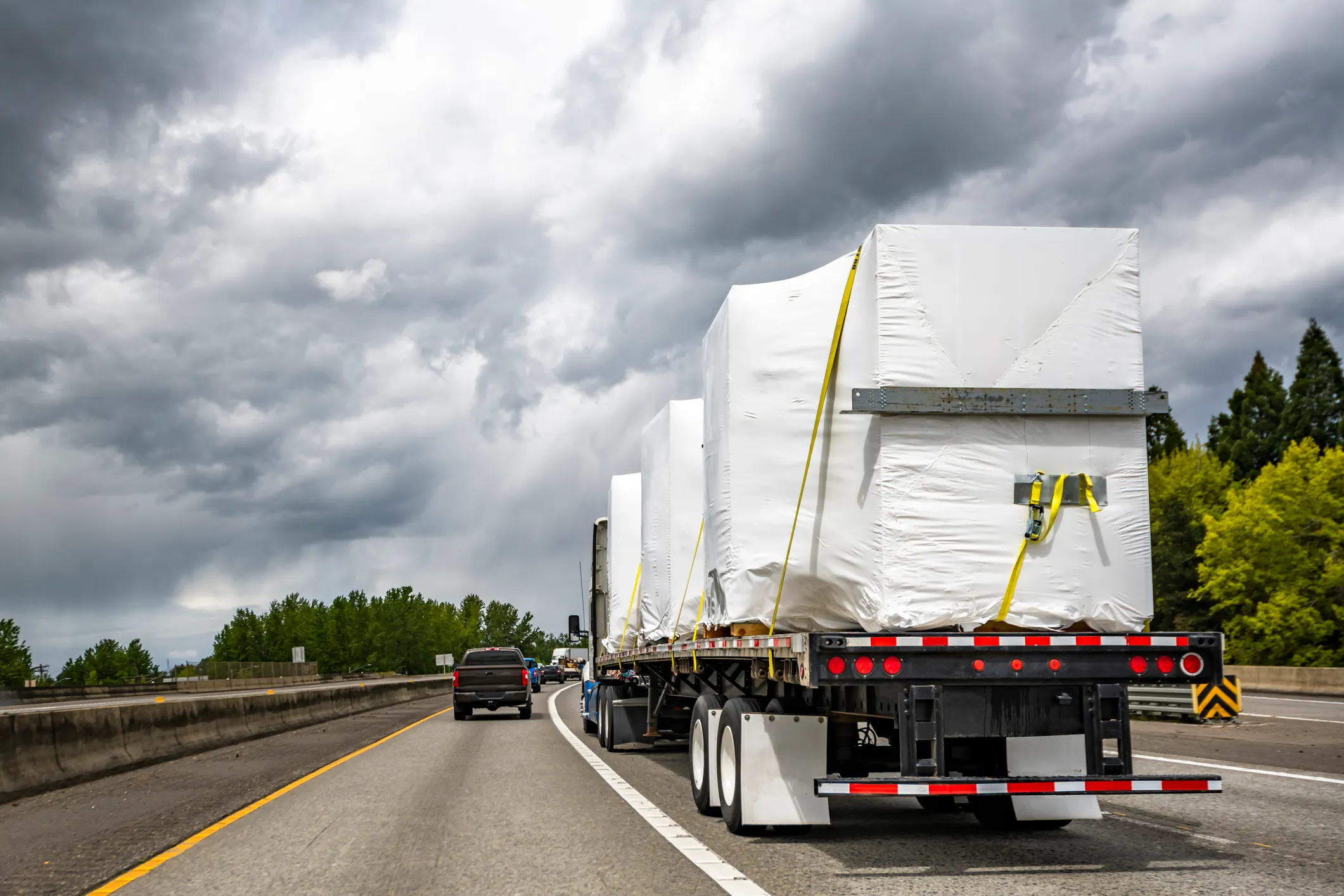
In today’s U.S. freight environment, motor carriers operate within a complex system shaped by tight delivery timelines, contractual obligations, and increasing pressure from brokers and shippers. Profit margins are often narrow, and a single cargo loss can quickly escalate into a financial and operational setback. Whether the loss stems from a highway accident, theft, or handling error, the financial responsibility typically falls on the carrier transporting the goods.
Within this landscape, Motor Truck Cargo insurance serves as a critical component of risk management. While often viewed as a contractual requirement, its role extends far beyond compliance. It provides financial protection for freight in transit and supports the stability of trucking operations in an industry where risk exposure is inherent to daily activity.
What Is Motor Truck Cargo Insurance?
Motor Truck Cargo insurance is designed to protect goods being transported by a for-hire motor carrier against loss or damage resulting from events such as collisions, theft, fire, or other covered causes while the cargo is in transit. Unlike coverages that focus on third-party liability, this form of insurance addresses the carrier’s responsibility for the freight itself—goods that are owned by shippers, brokers, or other entities.
In practical terms, this coverage supports a transportation carrier’s financial responsibility under contracts and bills of lading. When freight is damaged, lost, or stolen, that responsibility can translate into direct financial liability. Motor Truck Cargo coverage helps mitigate this exposure by covering losses within the terms and limits of the policy.
What Does Motor Truck Cargo Insurance Cover?
Motor Truck Cargo insurance is structured to respond to a range of common loss scenarios encountered in freight transportation. While the exact scope depends on policy terms and underwriting conditions, coverage may include:
Collision or overturn incidents resulting in cargo damage;
Theft of cargo, including theft of the entire vehicle;
Fire-related losses affecting freight in transit;
Loading and unloading incidents, when included in policy terms.
Coverage generally applies during the defined transit period, as specified in the policy, which may include temporary stops along the route depending on how the policy is structured.
What Is Typically Not Covered?
A complete understanding of Motor Truck Cargo insurance requires equal attention to its limitations. While policies are designed to cover a broad range of risks, certain exposures are commonly excluded or restricted.
Typical limitations may include:
High-value commodities, such as electronics or pharmaceuticals, unless specifically endorsed;
Unattended vehicle losses, where required security measures are not met;
Improperly secured or loaded freight, leading to preventable damage;
Perishable or temperature-sensitive goods, unless specialized coverage is in place.
These exclusions highlight the importance of aligning coverage with the actual operation, as coverage gaps often only become visible at the time of a claim.
Who Needs Motor Truck Cargo Coverage?
Motor Truck Cargo insurance applies broadly across the U.S. trucking industry. Any carrier transporting goods owned by others may face contractual, operational, or risk-based reasons to carry this coverage.
This includes a wide range of operations, such as:
Owner-operators and fleet carriers;
Dry van, flatbed, refrigerated, and tanker operations;
Less-than-truckload (LTL) and partial load carriers;
Intermodal and port-related transportation;
Last-mile and final-mile delivery services;
Cargo van and Sprinter van fleets, including non-CDL operations.
In practice, many brokers and shippers require proof of cargo insurance with defined limits before assigning loads, making coverage essential for both compliance and business continuity.
Why Motor Truck Cargo Coverage Matters
Cargo losses rarely occur in isolation. A single incident can trigger a chain of financial consequences that extend beyond the immediate value of the freight. These impacts may include:
The direct value of the lost or damaged cargo;
Contractual penalties related to delivery failures;
Operational disruptions and delays;
Strained relationships with brokers and shippers.
Without adequate insurance, these costs are typically borne by the carrier. Motor Truck Cargo insurance is designed to help manage this exposure by transferring a portion of the financial risk, allowing operations to continue without severe disruption.
Additionally, maintaining appropriate cargo limits often improves access to freight opportunities, as brokers and shippers prioritize carriers with established risk management practices.
Built for the Realities of Modern Freight
The U.S. trucking industry encompasses a wide range of operational models, each with distinct exposure profiles. As a result, Motor Truck Cargo insurance must be adaptable rather than standardized.
Well-structured cargo programs are designed to support:
Local, regional, and long-haul operations;
Intermodal transportation involving multiple handling points;
Mixed equipment fleets with varying exposure levels;
New ventures entering the market, subject to underwriting evaluation.
Coverage limits and eligibility are typically influenced by several key factors:
The type and value of commodities transported;
The equipment used and cargo handling methods;
The radius and geographic scope of operations;
Contractual requirements imposed by brokers or shippers.
This flexibility allows coverage to reflect how carriers actually operate in the field.
How Much Cargo Coverage Is Typically Needed?
In the U.S. market, Motor Truck Cargo limits commonly range between $100,000 and $200,000, although higher limits may be required depending on the nature of the freight.
Selecting the appropriate limit depends on several considerations:
The average value of loads transported;
Requirements set by brokers or shipping contracts;
The type of commodities hauled.
Coverage limits should be reviewed periodically to ensure alignment with evolving business operations and freight values.
A Practical Example of Cargo Exposure
Consider a scenario in which a motor carrier is transporting general freight on a regional route and is involved in a highway accident that results in significant damage to the cargo. Under standard contractual arrangements, the carrier may be held responsible for the value of the lost goods.
In the absence of cargo insurance, the financial impact of such a loss would fall directly on the carrier. With Motor Truck Cargo coverage in place, the policy can respond to the loss—subject to its terms, conditions, and deductible—helping reduce financial strain and maintain operational continuity.
Common Questions About Motor Truck Cargo Insurance
Motor Truck Cargo insurance is not federally mandated in the United States; however, it is widely required by brokers and shippers as a condition for assigning freight.
Key distinctions and considerations include:
Cargo vs. liability insurance: Commercial Auto Liability insurance covers damage or injury to third parties, while cargo insurance protects the freight being transported;
Theft coverage: Typically included, subject to policy conditions and security requirements;
Non-CDL operations: Coverage may be available for cargo vans and similar operations, depending on underwriting criteria.
The Role of Specialized Cargo Programs
Not all Motor Truck Cargo policies are structured equally. Programs developed specifically for transportation risks tend to offer more precise underwriting, broader operational alignment, and access to established insurance markets.
These programs often provide:
Financial backing from recognized insurance markets
Underwriting aligned with real trucking operations rather than generic risk models
Flexible structures that adapt to different fleet types and business stages
For carriers, this results in coverage that is better aligned with actual exposure and operational realities.
At STAR Mutual RRG, Motor Truck Cargo coverage is offered alongside other core commercial auto coverages—supporting a more comprehensive approach to transportation risk. Eligible insureds may access Motor Truck Cargo coverage through STAR Mutual RRG’s appointed agent network. Coverage is subject to policy terms, conditions, and underwriting guidelines. Availability may vary by state and risk profile.
Final Perspective
Motor Truck Cargo insurance represents a foundational element of risk management within the trucking industry. It supports both financial protection and operational continuity in an environment where exposure to loss is unavoidable.
As freight values increase and supply chains become more complex, the importance of properly structured cargo coverage continues to grow. In this context, effective risk management is not only about compliance—it is a defining factor in long-term operational stability and success.
In today’s U.S. freight environment, motor carriers operate within a complex system shaped by tight delivery timelines, contractual obligations, and increasing pressure from brokers and shippers. Profit margins are often narrow, and a single cargo loss can quickly escalate into a financial and operational setback. Whether the loss stems from a highway accident, theft, or handling error, the financial responsibility typically falls on the carrier transporting the goods.
Within this landscape, Motor Truck Cargo insurance serves as a critical component of risk management. While often viewed as a contractual requirement, its role extends far beyond compliance. It provides financial protection for freight in transit and supports the stability of trucking operations in an industry where risk exposure is inherent to daily activity.
What Is Motor Truck Cargo Insurance?
Motor Truck Cargo insurance is designed to protect goods being transported by a for-hire motor carrier against loss or damage resulting from events such as collisions, theft, fire, or other covered causes while the cargo is in transit. Unlike coverages that focus on third-party liability, this form of insurance addresses the carrier’s responsibility for the freight itself—goods that are owned by shippers, brokers, or other entities.
In practical terms, this coverage supports a transportation carrier’s financial responsibility under contracts and bills of lading. When freight is damaged, lost, or stolen, that responsibility can translate into direct financial liability. Motor Truck Cargo coverage helps mitigate this exposure by covering losses within the terms and limits of the policy.
What Does Motor Truck Cargo Insurance Cover?
Motor Truck Cargo insurance is structured to respond to a range of common loss scenarios encountered in freight transportation. While the exact scope depends on policy terms and underwriting conditions, coverage may include:
Collision or overturn incidents resulting in cargo damage;
Theft of cargo, including theft of the entire vehicle;
Fire-related losses affecting freight in transit;
Loading and unloading incidents, when included in policy terms.
Coverage generally applies during the defined transit period, as specified in the policy, which may include temporary stops along the route depending on how the policy is structured.
What Is Typically Not Covered?
A complete understanding of Motor Truck Cargo insurance requires equal attention to its limitations. While policies are designed to cover a broad range of risks, certain exposures are commonly excluded or restricted.
Typical limitations may include:
High-value commodities, such as electronics or pharmaceuticals, unless specifically endorsed;
Unattended vehicle losses, where required security measures are not met;
Improperly secured or loaded freight, leading to preventable damage;
Perishable or temperature-sensitive goods, unless specialized coverage is in place.
These exclusions highlight the importance of aligning coverage with the actual operation, as coverage gaps often only become visible at the time of a claim.
Who Needs Motor Truck Cargo Coverage?
Motor Truck Cargo insurance applies broadly across the U.S. trucking industry. Any carrier transporting goods owned by others may face contractual, operational, or risk-based reasons to carry this coverage.
This includes a wide range of operations, such as:
Owner-operators and fleet carriers;
Dry van, flatbed, refrigerated, and tanker operations;
Less-than-truckload (LTL) and partial load carriers;
Intermodal and port-related transportation;
Last-mile and final-mile delivery services;
Cargo van and Sprinter van fleets, including non-CDL operations.
In practice, many brokers and shippers require proof of cargo insurance with defined limits before assigning loads, making coverage essential for both compliance and business continuity.
Why Motor Truck Cargo Coverage Matters
Cargo losses rarely occur in isolation. A single incident can trigger a chain of financial consequences that extend beyond the immediate value of the freight. These impacts may include:
The direct value of the lost or damaged cargo;
Contractual penalties related to delivery failures;
Operational disruptions and delays;
Strained relationships with brokers and shippers.
Without adequate insurance, these costs are typically borne by the carrier. Motor Truck Cargo insurance is designed to help manage this exposure by transferring a portion of the financial risk, allowing operations to continue without severe disruption.
Additionally, maintaining appropriate cargo limits often improves access to freight opportunities, as brokers and shippers prioritize carriers with established risk management practices.
Built for the Realities of Modern Freight
The U.S. trucking industry encompasses a wide range of operational models, each with distinct exposure profiles. As a result, Motor Truck Cargo insurance must be adaptable rather than standardized.
Well-structured cargo programs are designed to support:
Local, regional, and long-haul operations;
Intermodal transportation involving multiple handling points;
Mixed equipment fleets with varying exposure levels;
New ventures entering the market, subject to underwriting evaluation.
Coverage limits and eligibility are typically influenced by several key factors:
The type and value of commodities transported;
The equipment used and cargo handling methods;
The radius and geographic scope of operations;
Contractual requirements imposed by brokers or shippers.
This flexibility allows coverage to reflect how carriers actually operate in the field.
How Much Cargo Coverage Is Typically Needed?
In the U.S. market, Motor Truck Cargo limits commonly range between $100,000 and $200,000, although higher limits may be required depending on the nature of the freight.
Selecting the appropriate limit depends on several considerations:
The average value of loads transported;
Requirements set by brokers or shipping contracts;
The type of commodities hauled.
Coverage limits should be reviewed periodically to ensure alignment with evolving business operations and freight values.
A Practical Example of Cargo Exposure
Consider a scenario in which a motor carrier is transporting general freight on a regional route and is involved in a highway accident that results in significant damage to the cargo. Under standard contractual arrangements, the carrier may be held responsible for the value of the lost goods.
In the absence of cargo insurance, the financial impact of such a loss would fall directly on the carrier. With Motor Truck Cargo coverage in place, the policy can respond to the loss—subject to its terms, conditions, and deductible—helping reduce financial strain and maintain operational continuity.
Common Questions About Motor Truck Cargo Insurance
Motor Truck Cargo insurance is not federally mandated in the United States; however, it is widely required by brokers and shippers as a condition for assigning freight.
Key distinctions and considerations include:
Cargo vs. liability insurance: Commercial Auto Liability insurance covers damage or injury to third parties, while cargo insurance protects the freight being transported;
Theft coverage: Typically included, subject to policy conditions and security requirements;
Non-CDL operations: Coverage may be available for cargo vans and similar operations, depending on underwriting criteria.
The Role of Specialized Cargo Programs
Not all Motor Truck Cargo policies are structured equally. Programs developed specifically for transportation risks tend to offer more precise underwriting, broader operational alignment, and access to established insurance markets.
These programs often provide:
Financial backing from recognized insurance markets
Underwriting aligned with real trucking operations rather than generic risk models
Flexible structures that adapt to different fleet types and business stages
For carriers, this results in coverage that is better aligned with actual exposure and operational realities.
At STAR Mutual RRG, Motor Truck Cargo coverage is offered alongside other core commercial auto coverages—supporting a more comprehensive approach to transportation risk. Eligible insureds may access Motor Truck Cargo coverage through STAR Mutual RRG’s appointed agent network. Coverage is subject to policy terms, conditions, and underwriting guidelines. Availability may vary by state and risk profile.
Final Perspective
Motor Truck Cargo insurance represents a foundational element of risk management within the trucking industry. It supports both financial protection and operational continuity in an environment where exposure to loss is unavoidable.
As freight values increase and supply chains become more complex, the importance of properly structured cargo coverage continues to grow. In this context, effective risk management is not only about compliance—it is a defining factor in long-term operational stability and success.
Contents
Stay up-to-date
Related Post

Become a STAR Agent
Become a STAR Agent
Get access to unparalleled technology-based service to quote and bind your clients in minutes.
Get appointed

STAR Mutual Risk Retention Group offers commercial auto liability insurance to the members of Reliable Transportation Association (“RTA”), looking for accessible and reliable coverage.
Get in Touch
Contact
855-5MY-STAR (855-569-7827)
STAR Mutual RRG
PO Box 51414, Philadelphia
PA 19115
General inquiries:
Agent inquiries:
Claim inquiries:
The information presented on this website is for general informational purposes only and does not constitute legal, regulatory, or business advice. Readers are encouraged to consult with qualified legal or insurance professionals regarding questions specific to their circumstances.
The content is provided for general informational purposes only and does not constitute an offer to sell, or a solicitation of an offer to buy, insurance in any jurisdiction where STAR Mutual RRG is not licensed or registered. Any description of coverage is general and subject to the terms, conditions, and exclusions of the actual policy.
STAR Mutual Risk Retention Group offers commercial auto liability insurance to the members of Reliable Transportation Association (“RTA”), looking for accessible and reliable coverage.
Get in Touch
Contact
855-5MY-STAR (855-569-7827)
STAR Mutual RRG
PO Box 51414, Philadelphia
PA 19115
General inquiries:
Agent inquiries:
Claim inquiries:
The information presented on this website is for general informational purposes only and does not constitute legal, regulatory, or business advice. Readers are encouraged to consult with qualified legal or insurance professionals regarding questions specific to their circumstances.
The content is provided for general informational purposes only and does not constitute an offer to sell, or a solicitation of an offer to buy, insurance in any jurisdiction where STAR Mutual RRG is not licensed or registered. Any description of coverage is general and subject to the terms, conditions, and exclusions of the actual policy.
STAR Mutual Risk Retention Group offers commercial auto liability insurance to the members of Reliable Transportation Association (“RTA”), looking for accessible and reliable coverage.
Get in Touch
Contact
855-5MY-STAR (855-569-7827)
STAR Mutual RRG
PO Box 51414, Philadelphia
PA 19115
General inquiries:
Agent inquiries:
Claim inquiries:
The information presented on this website is for general informational purposes only and does not constitute legal, regulatory, or business advice. Readers are encouraged to consult with qualified legal or insurance professionals regarding questions specific to their circumstances.
The content is provided for general informational purposes only and does not constitute an offer to sell, or a solicitation of an offer to buy, insurance in any jurisdiction where STAR Mutual RRG is not licensed or registered. Any description of coverage is general and subject to the terms, conditions, and exclusions of the actual policy.
© 2026 - STAR Mutual RRG. All rights reserved.