Brake Safety Week 2026: What Fleets Need to Know About Brake Inspections
CVSA annual Brake Safety Week returns August 23–29, 2026, focused on brake drums and rotors. A look at the inspection process, the 2025 out-of-service data, and why a consistent maintenance record matters beyond compliance, including to commercial auto insurance.
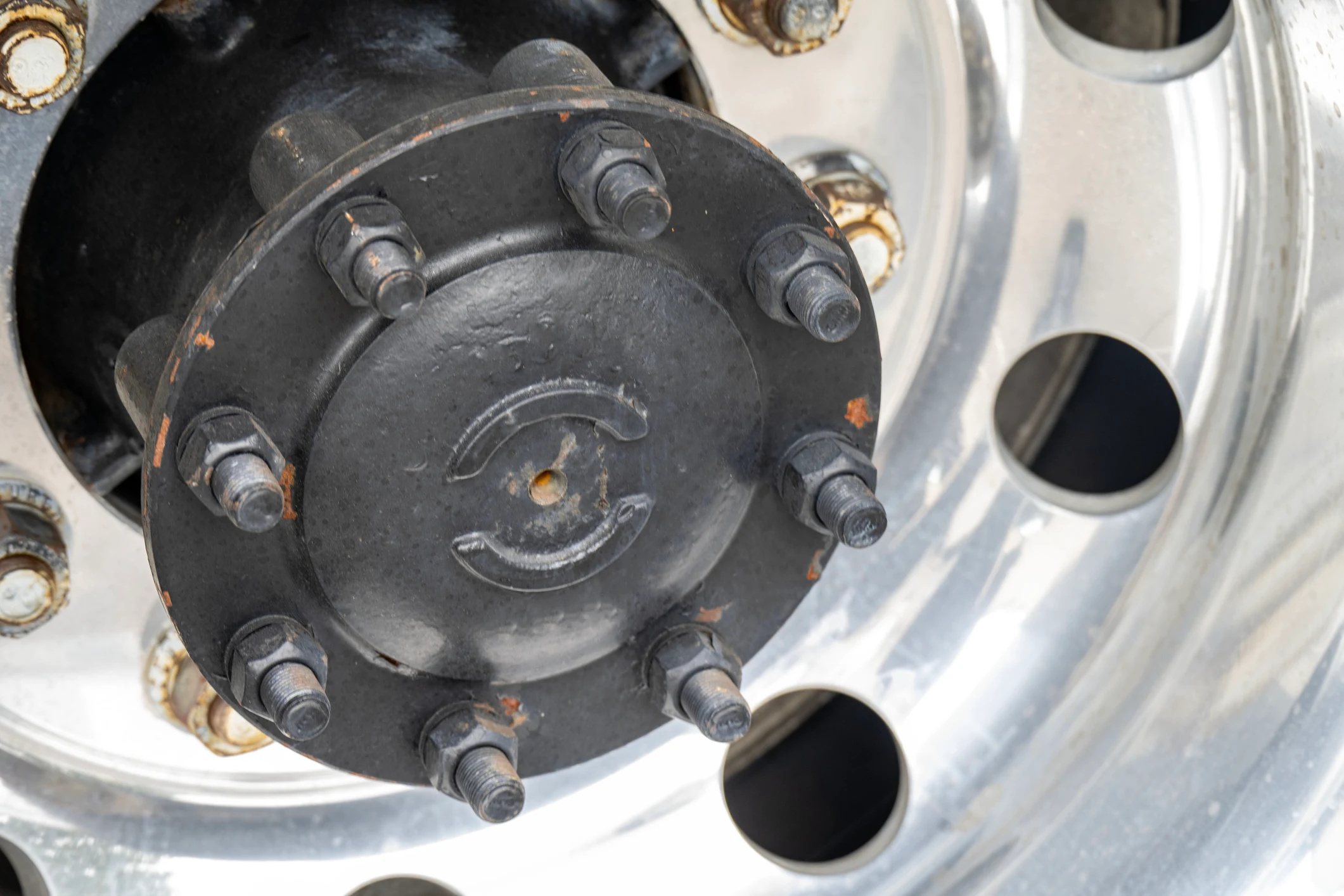
The Commercial Vehicle Safety Alliance (CVSA) will conduct its annual Brake Safety Week from August 23 through 29, 2026, as part of its Operation Airbrake initiative. During the seven-day campaign, trained and certified inspectors across the United States, Canada, and Mexico will conduct commercial motor vehicle inspections with a focus on brake systems and components. Vehicles found with brake-related or other out-of-service violations will be restricted from operation until the violations are corrected.
For trucking companies and owner-operators, Brake Safety Week provides a useful point to review brake maintenance, inspection procedures, and documentation. More importantly, it illustrates how routine vehicle maintenance and roadside inspection findings may become part of a motor carrier’s broader compliance record over time.
What Brake Safety Week Means for the Trucking Industry
Brake Safety Week is a focused inspection and education campaign covering commercial vehicle brake systems. It is part of CVSA’s broader Operation Airbrake program, which conducts both announced and unannounced brake safety enforcement activities throughout the year.
The 2026 campaign will place additional emphasis on brake drums and rotors. Inspectors will report brake-related out-of-service violations as part of the campaign and will also collect information on the condition of drums and rotors.
The campaign is not limited to identifying defects. CVSA also uses Brake Safety Week to reinforce awareness of brake inspection and maintenance practices across the commercial transportation industry. Consistent maintenance processes help create a more reliable record of vehicle condition across regular inspections, enforcement campaigns, and day-to-day operations.
Why Brake Drums and Rotors Are the 2026 Focus
Brake drums and rotors are regulated under 49 CFR 393.47, which establishes requirements for brake actuators, slack adjusters, linings and pads, drums, and rotors. The regulation states that drum and rotor thickness may not be below the limits established by the component manufacturer.
CVSA notes that damaged or deteriorated drums and rotors may affect braking efficiency. Fragments that break away from a worn drum or rotor can separate from the vehicle while it's in motion, posing a risk to nearby traffic.
The 2026 focus therefore provides a specific opportunity to examine components that may receive less attention during a general walk-around inspection while remaining an important part of the vehicle’s braking system.
Reviewing the 2025 Inspection Data
According to CVSA's 2025 Brake Safety Week results, inspectors in 52 jurisdictions conducted 15,175 commercial motor vehicle inspections across North America. Of those vehicles, 2,296 were placed out of service for brake-related violations—an out-of-service rate of 15.1%. CVSA reported that 84.9% of inspected vehicles did not have a brake-related out-of-service violation.
The most frequently cited reason for placing a vehicle out of service was the 20% defective brake criterion, meaning that 20% or more of the vehicle’s service brakes had an out-of-service condition. Other frequently identified issues included brake hoses and tubing, steering axle brakes, and air system components.
Brake Safety Week is also part of a broader annual enforcement effort that includes an unannounced, one-day brake inspection held earlier in the year. According to CVSA, during the 2026 unannounced Brake Safety Day, held in April 2026, inspectors conducted 4,021 inspections and restricted 574 vehicles from travel because of brake-related out-of-service violations—an overall rate of 14.3%.
These results reinforce that brake-system condition remains an ongoing area of attention rather than an issue limited to the announced August campaign.
A Practical Pre-Inspection Brake Checklist
The weeks leading up to Brake Safety Week may provide a useful opportunity to review routine maintenance and inspection procedures.
The following areas align with the components highlighted by CVSA and federal brake requirements:
Brake drums: Visible portions may be checked during pre- and post-trip inspections for cracks, missing material, or other visible damage.
Rotors: Air disc brake rotors may be examined for cracking, excessive grooving, rust, or signs of metal-to-metal contact.
Linings and pads: Thickness can be evaluated against the applicable federal and manufacturer requirements. Oil, grease, or other contamination may also require attention.
Hoses and tubing: Components may be checked for chafing, bulges, kinks, damage, and air leaks.
Slack adjusters and pushrod stroke: Applicable adjustment limits can be verified as part of the vehicle’s maintenance procedures.
Air system: Maintenance procedures may include checking for leaks and confirming that the system operates within applicable requirements.
Antilock Braking System (ABS) warning lamp: The warning lamp is expected to operate according to the vehicle manufacturer’s specifications.
Maintenance documentation: Inspection, repair, and maintenance records are required to be complete and maintained as required under federal regulations.
CVSA’s 2026 Brake Safety Week materials specifically recommend checking visible portions of drums and rotors as part of pre- and post-trip inspections.
A preventive maintenance program that addresses these components throughout the year is more useful than preparation limited to a single inspection campaign. For transportation businesses, consistent maintenance practices also provide a clearer record of how vehicles are inspected, repaired, and maintained over time.
Why Compliance Data May Also Matter to Insurance
Compliance information may be relevant beyond regulatory oversight.
Commercial auto liability insurance may take into account publicly available safety and inspection information as one of several sources of operational context. Vehicle maintenance data may be considered alongside factors such as operating history, documented maintenance practices, claims experience, and other information relevant to how a policy is priced.
At STAR Mutual, pricing reflects a consistent, structured approach that considers the operational realities of the transportation businesses it covers. A carrier's compliance record is therefore better understood as one part of a broader operational picture rather than as a standalone measure.
This longer-term perspective also explains why consistent maintenance practices are more meaningful than reactive preparation for a single inspection event. A documented process may help demonstrate how a fleet manages vehicle condition throughout the policy period and across multiple inspection cycles.
Preventive Maintenance Supports Long-Term Compliance
Federal regulations establish maintenance requirements that extend beyond Brake Safety Week.
Under 49 CFR 396.3, motor carriers are required to systematically inspect, repair, and maintain vehicles under their control. Required records include information about the vehicle, inspection and maintenance schedules, and records showing the date and nature of inspections, repairs, and maintenance.
For vehicles controlled for 30 consecutive days or more, these records generally must be retained for one year at the location where the vehicle is housed or maintained and for six months after the vehicle leaves the carrier’s control.
This documentation provides more than a compliance record. It can also help establish a consistent maintenance history that supports communication among fleet personnel, repair providers, agents, and other parties involved in managing commercial transportation operations.
Brake Safety Week 2026: Frequently Asked Questions
When is Brake Safety Week 2026?
Brake Safety Week 2026 runs August 23–29, 2026, across the United States, Canada, and Mexico as part of CVSA's Operation Airbrake program.
What is the focus of Brake Safety Week 2026?
The 2026 campaign places additional emphasis on brake drums and rotors, though inspectors continue to review the full brake system during roadside inspections.
What happens if a vehicle fails a brake inspection?
A vehicle with a brake-related out-of-service violation is restricted from operation until the violation is corrected, and the finding may become part of the carrier's compliance record.
Can brake inspection results affect commercial auto insurance?
Publicly available safety and inspection data may be considered as one of several sources of operational context in commercial auto liability insurance, alongside factors such as operating history, documented maintenance practices, and claims experience.
Conclusion
Brake Safety Week brings additional attention to an essential vehicle system, but the underlying principles extend throughout the year.
Regular inspections, preventive maintenance, timely repairs, and accurate documentation work together to support regulatory compliance and reliable commercial vehicle operations. Roadside inspection results then become one part of a longer-term compliance record that may be reviewed by regulators, business partners, agents, and insurers.
For transportation businesses, the value is in the consistency: a maintenance program that operates throughout the year provides a more complete picture than preparation for any single inspection campaign. STAR Mutual RRG, a risk retention group providing commercial auto liability insurance to trucking operations, applies this same emphasis on consistency in how it approaches coverage for the community it serves.
This article is provided for general informational purposes only and does not constitute legal, regulatory, or insurance advice. Coverage availability and requirements vary by operation, jurisdiction, and applicable policy terms.
The Commercial Vehicle Safety Alliance (CVSA) will conduct its annual Brake Safety Week from August 23 through 29, 2026, as part of its Operation Airbrake initiative. During the seven-day campaign, trained and certified inspectors across the United States, Canada, and Mexico will conduct commercial motor vehicle inspections with a focus on brake systems and components. Vehicles found with brake-related or other out-of-service violations will be restricted from operation until the violations are corrected.
For trucking companies and owner-operators, Brake Safety Week provides a useful point to review brake maintenance, inspection procedures, and documentation. More importantly, it illustrates how routine vehicle maintenance and roadside inspection findings may become part of a motor carrier’s broader compliance record over time.
What Brake Safety Week Means for the Trucking Industry
Brake Safety Week is a focused inspection and education campaign covering commercial vehicle brake systems. It is part of CVSA’s broader Operation Airbrake program, which conducts both announced and unannounced brake safety enforcement activities throughout the year.
The 2026 campaign will place additional emphasis on brake drums and rotors. Inspectors will report brake-related out-of-service violations as part of the campaign and will also collect information on the condition of drums and rotors.
The campaign is not limited to identifying defects. CVSA also uses Brake Safety Week to reinforce awareness of brake inspection and maintenance practices across the commercial transportation industry. Consistent maintenance processes help create a more reliable record of vehicle condition across regular inspections, enforcement campaigns, and day-to-day operations.
Why Brake Drums and Rotors Are the 2026 Focus
Brake drums and rotors are regulated under 49 CFR 393.47, which establishes requirements for brake actuators, slack adjusters, linings and pads, drums, and rotors. The regulation states that drum and rotor thickness may not be below the limits established by the component manufacturer.
CVSA notes that damaged or deteriorated drums and rotors may affect braking efficiency. Fragments that break away from a worn drum or rotor can separate from the vehicle while it's in motion, posing a risk to nearby traffic.
The 2026 focus therefore provides a specific opportunity to examine components that may receive less attention during a general walk-around inspection while remaining an important part of the vehicle’s braking system.
Reviewing the 2025 Inspection Data
According to CVSA's 2025 Brake Safety Week results, inspectors in 52 jurisdictions conducted 15,175 commercial motor vehicle inspections across North America. Of those vehicles, 2,296 were placed out of service for brake-related violations—an out-of-service rate of 15.1%. CVSA reported that 84.9% of inspected vehicles did not have a brake-related out-of-service violation.
The most frequently cited reason for placing a vehicle out of service was the 20% defective brake criterion, meaning that 20% or more of the vehicle’s service brakes had an out-of-service condition. Other frequently identified issues included brake hoses and tubing, steering axle brakes, and air system components.
Brake Safety Week is also part of a broader annual enforcement effort that includes an unannounced, one-day brake inspection held earlier in the year. According to CVSA, during the 2026 unannounced Brake Safety Day, held in April 2026, inspectors conducted 4,021 inspections and restricted 574 vehicles from travel because of brake-related out-of-service violations—an overall rate of 14.3%.
These results reinforce that brake-system condition remains an ongoing area of attention rather than an issue limited to the announced August campaign.
A Practical Pre-Inspection Brake Checklist
The weeks leading up to Brake Safety Week may provide a useful opportunity to review routine maintenance and inspection procedures.
The following areas align with the components highlighted by CVSA and federal brake requirements:
Brake drums: Visible portions may be checked during pre- and post-trip inspections for cracks, missing material, or other visible damage.
Rotors: Air disc brake rotors may be examined for cracking, excessive grooving, rust, or signs of metal-to-metal contact.
Linings and pads: Thickness can be evaluated against the applicable federal and manufacturer requirements. Oil, grease, or other contamination may also require attention.
Hoses and tubing: Components may be checked for chafing, bulges, kinks, damage, and air leaks.
Slack adjusters and pushrod stroke: Applicable adjustment limits can be verified as part of the vehicle’s maintenance procedures.
Air system: Maintenance procedures may include checking for leaks and confirming that the system operates within applicable requirements.
Antilock Braking System (ABS) warning lamp: The warning lamp is expected to operate according to the vehicle manufacturer’s specifications.
Maintenance documentation: Inspection, repair, and maintenance records are required to be complete and maintained as required under federal regulations.
CVSA’s 2026 Brake Safety Week materials specifically recommend checking visible portions of drums and rotors as part of pre- and post-trip inspections.
A preventive maintenance program that addresses these components throughout the year is more useful than preparation limited to a single inspection campaign. For transportation businesses, consistent maintenance practices also provide a clearer record of how vehicles are inspected, repaired, and maintained over time.
Why Compliance Data May Also Matter to Insurance
Compliance information may be relevant beyond regulatory oversight.
Commercial auto liability insurance may take into account publicly available safety and inspection information as one of several sources of operational context. Vehicle maintenance data may be considered alongside factors such as operating history, documented maintenance practices, claims experience, and other information relevant to how a policy is priced.
At STAR Mutual, pricing reflects a consistent, structured approach that considers the operational realities of the transportation businesses it covers. A carrier's compliance record is therefore better understood as one part of a broader operational picture rather than as a standalone measure.
This longer-term perspective also explains why consistent maintenance practices are more meaningful than reactive preparation for a single inspection event. A documented process may help demonstrate how a fleet manages vehicle condition throughout the policy period and across multiple inspection cycles.
Preventive Maintenance Supports Long-Term Compliance
Federal regulations establish maintenance requirements that extend beyond Brake Safety Week.
Under 49 CFR 396.3, motor carriers are required to systematically inspect, repair, and maintain vehicles under their control. Required records include information about the vehicle, inspection and maintenance schedules, and records showing the date and nature of inspections, repairs, and maintenance.
For vehicles controlled for 30 consecutive days or more, these records generally must be retained for one year at the location where the vehicle is housed or maintained and for six months after the vehicle leaves the carrier’s control.
This documentation provides more than a compliance record. It can also help establish a consistent maintenance history that supports communication among fleet personnel, repair providers, agents, and other parties involved in managing commercial transportation operations.
Brake Safety Week 2026: Frequently Asked Questions
When is Brake Safety Week 2026?
Brake Safety Week 2026 runs August 23–29, 2026, across the United States, Canada, and Mexico as part of CVSA's Operation Airbrake program.
What is the focus of Brake Safety Week 2026?
The 2026 campaign places additional emphasis on brake drums and rotors, though inspectors continue to review the full brake system during roadside inspections.
What happens if a vehicle fails a brake inspection?
A vehicle with a brake-related out-of-service violation is restricted from operation until the violation is corrected, and the finding may become part of the carrier's compliance record.
Can brake inspection results affect commercial auto insurance?
Publicly available safety and inspection data may be considered as one of several sources of operational context in commercial auto liability insurance, alongside factors such as operating history, documented maintenance practices, and claims experience.
Conclusion
Brake Safety Week brings additional attention to an essential vehicle system, but the underlying principles extend throughout the year.
Regular inspections, preventive maintenance, timely repairs, and accurate documentation work together to support regulatory compliance and reliable commercial vehicle operations. Roadside inspection results then become one part of a longer-term compliance record that may be reviewed by regulators, business partners, agents, and insurers.
For transportation businesses, the value is in the consistency: a maintenance program that operates throughout the year provides a more complete picture than preparation for any single inspection campaign. STAR Mutual RRG, a risk retention group providing commercial auto liability insurance to trucking operations, applies this same emphasis on consistency in how it approaches coverage for the community it serves.
This article is provided for general informational purposes only and does not constitute legal, regulatory, or insurance advice. Coverage availability and requirements vary by operation, jurisdiction, and applicable policy terms.
Contents
Stay up-to-date
Related Post


Become a STAR Agent
Become a STAR Agent
Get access to unparalleled technology-based service to quote and bind your clients in minutes.
Get appointed
Thousands of agents across the United States | Same-day quotes, ready to bind

STAR Mutual Risk Retention Group offers commercial auto liability insurance to the members of Reliable Transportation Association (“RTA”), looking for accessible and reliable coverage.
Contact
855-5MY-STAR (855-569-7827)
STAR Mutual RRG
PO Box 51414, Philadelphia
PA 19115
General inquiries:
Agent inquiries:
Claim inquiries:
The information presented on this website is for general informational purposes only and does not constitute legal, regulatory, or business advice. Readers are encouraged to consult with qualified legal or insurance professionals regarding questions specific to their circumstances.
The content is provided for general informational purposes only and does not constitute an offer to sell, or a solicitation of an offer to buy, insurance in any jurisdiction where STAR Mutual RRG is not licensed or registered. Any description of coverage is general and subject to the terms, conditions, and exclusions of the actual policy.
STAR Mutual Risk Retention Group offers commercial auto liability insurance to the members of Reliable Transportation Association (“RTA”), looking for accessible and reliable coverage.
Contact
855-5MY-STAR (855-569-7827)
STAR Mutual RRG
PO Box 51414, Philadelphia
PA 19115
General inquiries:
Agent inquiries:
Claim inquiries:
The information presented on this website is for general informational purposes only and does not constitute legal, regulatory, or business advice. Readers are encouraged to consult with qualified legal or insurance professionals regarding questions specific to their circumstances.
The content is provided for general informational purposes only and does not constitute an offer to sell, or a solicitation of an offer to buy, insurance in any jurisdiction where STAR Mutual RRG is not licensed or registered. Any description of coverage is general and subject to the terms, conditions, and exclusions of the actual policy.
STAR Mutual Risk Retention Group offers commercial auto liability insurance to the members of Reliable Transportation Association (“RTA”), looking for accessible and reliable coverage.
Contact
855-5MY-STAR (855-569-7827)
STAR Mutual RRG
PO Box 51414, Philadelphia
PA 19115
General inquiries:
Agent inquiries:
Claim inquiries:
The information presented on this website is for general informational purposes only and does not constitute legal, regulatory, or business advice. Readers are encouraged to consult with qualified legal or insurance professionals regarding questions specific to their circumstances.
The content is provided for general informational purposes only and does not constitute an offer to sell, or a solicitation of an offer to buy, insurance in any jurisdiction where STAR Mutual RRG is not licensed or registered. Any description of coverage is general and subject to the terms, conditions, and exclusions of the actual policy.
© 2026 - STAR Mutual RRG. All rights reserved.