Liability vs. Full Commercial Auto Insurance: What’s the Difference?
Commercial trucking involves liability, equipment, and cargo risk. Learn how commercial auto liability differs from full coverage truck insurance, including APD and MTC protection.
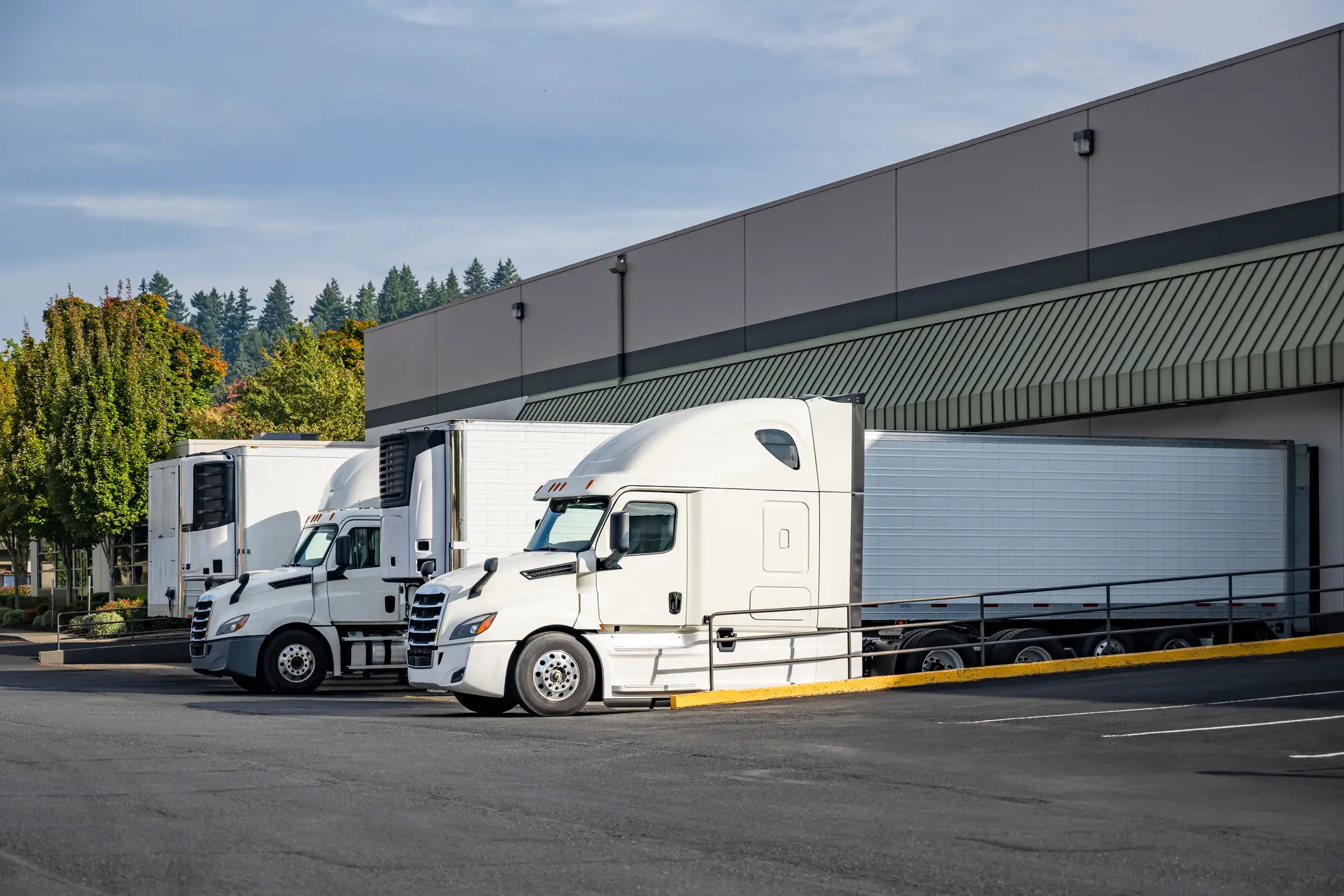
Commercial auto insurance for trucking operations typically begins with commercial auto liability coverage. However, many policies extend beyond liability to include additional protections such as Auto Physical Damage (APD) and Motor Truck Cargo (MTC) insurance.
Understanding the difference between commercial auto liability and full coverage truck insurance is essential when evaluating risk exposure in trucking operations. Many motor carriers focus first on meeting interstate motor carrier insurance requirements, but regulatory compliance alone does not equal comprehensive protection.
This article explains how commercial auto liability differs from “full coverage” commercial auto insurance, how FMCSA financial responsibility rules apply, and how additional coverages operate as part of a structured commercial truck insurance strategy. For a broader overview of commercial truck insurance coverage structures and related risk considerations, see the guide to commercial truck insurance.
What Is Commercial Auto Liability Coverage?
Commercial auto liability insurance responds to third-party claims arising from at-fault accidents involving covered vehicles. In trucking operations, this includes tractor-trailers, straight trucks, and other commercial motor vehicles engaged in freight operations.
Commercial auto liability coverage typically addresses:
Bodily injury to other drivers, passengers, or pedestrians
Property damage to third-party vehicles
Legal defense expenses and settlement associated with covered liability claims
Under the Federal Motor Carrier Safety Administration (49 CFR §387), interstate motor carriers are required to maintain minimum levels of liability insurance. For most non-hazardous freight, the federal minimum is $750,000, with higher limits applied for certain hazardous materials.
These interstate motor carrier insurance requirements are designed to protect the public. However, commercial auto liability coverage does not pay for damage to the insured’s own truck or trailer, the motor carrier’s equipment, or transported freight.
What Is “Full Coverage” Commercial Auto Insurance?
The term full coverage commercial auto insurance is not defined by federal statute. In practice, it commonly refers to a policy structure that combines:
Commercial Auto Liability
Collision Coverage (part of APD)
Comprehensive coverage (also part of APD)
When trucking operators ask about the difference between liability and full coverage truck insurance, the core distinction is this:
Liability protects against damage or injury you cause to others.
Full coverage commercial auto insurance typically adds protection for your own equipment.
What Does Auto Physical Damage Cover for Trucks?
Auto Physical Damage coverage protects the insured’s own vehicles. It typically includes:
Collision coverage, which pays for repairs or replacement if your vehicle is damaged in an accident.
Comprehensive coverage, which responds to non-collision losses such as theft, vandalism, fire, or severe weather.
For trucking operations with high-value tractors and trailers, Auto Physical Damage coverage plays a central role in asset protection. Without it, the cost of replacing a damaged truck falls entirely on the motor carrier.
Motor Truck Cargo Insurance
Motor Truck Cargo insurance protects freight while in transit, subject to policy terms, conditions, and exclusions. It addresses the carrier’s legal liability for loss or damage to transported goods.
Motor Truck Cargo insurance is not included within commercial auto liability coverage or Auto Physical Damage. It is a separate coverage component within a broader commercial truck insurance structure.
Together, commercial auto liability, Auto Physical Damage, and Motor Truck Cargo coverage form the foundation of a broader commercial truck insurance strategy often referred to as “full coverage.”
Cost of Commercial Truck Insurance
The cost of commercial truck insurance varies based on operational risk factors, including:
Driving radius and operating territory
Type of freight hauled
Equipment value
Claims history
Fleet size
Coverage limits selected
Liability-only policies generally carry lower premiums because they address a narrower exposure. However, choosing minimum FMCSA financial responsibility limits may leave significant uninsured risk.
Full coverage commercial auto insurance generally increases premium cost but reallocates substantial financial exposure away from the motor carrier. When evaluating the cost of commercial truck insurance, operators should weigh premium expense against potential out-of-pocket loss severity.
Legal and Contractual Considerations
Federal law establishes minimum commercial auto liability coverage levels for interstate carriers. However, contractual requirements frequently exceed those minimum thresholds.
Shippers, brokers, and logistics platforms may require:
$1,000,000 or higher commercial auto liability coverage
Proof of Auto Physical Damage coverage
Motor Truck Cargo limits consistent with freight value
Additional liability endorsements
As a result, compliance often involves both FMCSA financial responsibility standards and private contractual insurance requirements.
Long-Term Risk Exposure
Meeting minimum commercial auto liability coverage requirements satisfies FMCSA financial responsibility rules. However, minimum limits are designed to satisfy public financial responsibility requirements, not necessarily to protect the trucking company’s balance sheet in a high-severity loss scenario. If a severe accident exceeds the policy’s liability limit, the remaining damages may become the motor carrier’s responsibility.
Without Auto Physical Damage coverage, repairing or replacing a damaged tractor-trailer is an out-of-pocket expense. Without motor truck cargo insurance, freight losses may also fall on the carrier.
The difference between liability and full coverage truck insurance becomes clear in these scenarios: liability protects others, while broader commercial truck insurance protects the company’s own assets and operational continuity.
Conclusion
Commercial auto liability fulfills FMCSA financial responsibility requirements and protects against third-party injury and property damage claims. However, it does not protect the insured truck or transported freight.
Full coverage commercial auto insurance typically combines commercial auto liability coverage with Auto Physical Damage protection. When Motor Truck Cargo insurance is added, the commercial truck insurance program addresses public liability, equipment risk, and freight exposure.
For interstate motor carriers, understanding the difference between liability and full coverage truck insurance directly affects regulatory compliance, asset protection, and long-term financial stability.
STAR Mutual RRG provides commercial auto liability coverage in accordance with applicable state regulations and federal transportation financial responsibility standards. In addition, appointed agents may access Auto Physical Damage (APD) and Motor Truck Cargo (MTC) coverage through the RTA programs, enabling a broader commercial truck insurance structure that supports comprehensive risk management within the trucking industry.
Commercial auto insurance for trucking operations typically begins with commercial auto liability coverage. However, many policies extend beyond liability to include additional protections such as Auto Physical Damage (APD) and Motor Truck Cargo (MTC) insurance.
Understanding the difference between commercial auto liability and full coverage truck insurance is essential when evaluating risk exposure in trucking operations. Many motor carriers focus first on meeting interstate motor carrier insurance requirements, but regulatory compliance alone does not equal comprehensive protection.
This article explains how commercial auto liability differs from “full coverage” commercial auto insurance, how FMCSA financial responsibility rules apply, and how additional coverages operate as part of a structured commercial truck insurance strategy. For a broader overview of commercial truck insurance coverage structures and related risk considerations, see the guide to commercial truck insurance.
What Is Commercial Auto Liability Coverage?
Commercial auto liability insurance responds to third-party claims arising from at-fault accidents involving covered vehicles. In trucking operations, this includes tractor-trailers, straight trucks, and other commercial motor vehicles engaged in freight operations.
Commercial auto liability coverage typically addresses:
Bodily injury to other drivers, passengers, or pedestrians
Property damage to third-party vehicles
Legal defense expenses and settlement associated with covered liability claims
Under the Federal Motor Carrier Safety Administration (49 CFR §387), interstate motor carriers are required to maintain minimum levels of liability insurance. For most non-hazardous freight, the federal minimum is $750,000, with higher limits applied for certain hazardous materials.
These interstate motor carrier insurance requirements are designed to protect the public. However, commercial auto liability coverage does not pay for damage to the insured’s own truck or trailer, the motor carrier’s equipment, or transported freight.
What Is “Full Coverage” Commercial Auto Insurance?
The term full coverage commercial auto insurance is not defined by federal statute. In practice, it commonly refers to a policy structure that combines:
Commercial Auto Liability
Collision Coverage (part of APD)
Comprehensive coverage (also part of APD)
When trucking operators ask about the difference between liability and full coverage truck insurance, the core distinction is this:
Liability protects against damage or injury you cause to others.
Full coverage commercial auto insurance typically adds protection for your own equipment.
What Does Auto Physical Damage Cover for Trucks?
Auto Physical Damage coverage protects the insured’s own vehicles. It typically includes:
Collision coverage, which pays for repairs or replacement if your vehicle is damaged in an accident.
Comprehensive coverage, which responds to non-collision losses such as theft, vandalism, fire, or severe weather.
For trucking operations with high-value tractors and trailers, Auto Physical Damage coverage plays a central role in asset protection. Without it, the cost of replacing a damaged truck falls entirely on the motor carrier.
Motor Truck Cargo Insurance
Motor Truck Cargo insurance protects freight while in transit, subject to policy terms, conditions, and exclusions. It addresses the carrier’s legal liability for loss or damage to transported goods.
Motor Truck Cargo insurance is not included within commercial auto liability coverage or Auto Physical Damage. It is a separate coverage component within a broader commercial truck insurance structure.
Together, commercial auto liability, Auto Physical Damage, and Motor Truck Cargo coverage form the foundation of a broader commercial truck insurance strategy often referred to as “full coverage.”
Cost of Commercial Truck Insurance
The cost of commercial truck insurance varies based on operational risk factors, including:
Driving radius and operating territory
Type of freight hauled
Equipment value
Claims history
Fleet size
Coverage limits selected
Liability-only policies generally carry lower premiums because they address a narrower exposure. However, choosing minimum FMCSA financial responsibility limits may leave significant uninsured risk.
Full coverage commercial auto insurance generally increases premium cost but reallocates substantial financial exposure away from the motor carrier. When evaluating the cost of commercial truck insurance, operators should weigh premium expense against potential out-of-pocket loss severity.
Legal and Contractual Considerations
Federal law establishes minimum commercial auto liability coverage levels for interstate carriers. However, contractual requirements frequently exceed those minimum thresholds.
Shippers, brokers, and logistics platforms may require:
$1,000,000 or higher commercial auto liability coverage
Proof of Auto Physical Damage coverage
Motor Truck Cargo limits consistent with freight value
Additional liability endorsements
As a result, compliance often involves both FMCSA financial responsibility standards and private contractual insurance requirements.
Long-Term Risk Exposure
Meeting minimum commercial auto liability coverage requirements satisfies FMCSA financial responsibility rules. However, minimum limits are designed to satisfy public financial responsibility requirements, not necessarily to protect the trucking company’s balance sheet in a high-severity loss scenario. If a severe accident exceeds the policy’s liability limit, the remaining damages may become the motor carrier’s responsibility.
Without Auto Physical Damage coverage, repairing or replacing a damaged tractor-trailer is an out-of-pocket expense. Without motor truck cargo insurance, freight losses may also fall on the carrier.
The difference between liability and full coverage truck insurance becomes clear in these scenarios: liability protects others, while broader commercial truck insurance protects the company’s own assets and operational continuity.
Conclusion
Commercial auto liability fulfills FMCSA financial responsibility requirements and protects against third-party injury and property damage claims. However, it does not protect the insured truck or transported freight.
Full coverage commercial auto insurance typically combines commercial auto liability coverage with Auto Physical Damage protection. When Motor Truck Cargo insurance is added, the commercial truck insurance program addresses public liability, equipment risk, and freight exposure.
For interstate motor carriers, understanding the difference between liability and full coverage truck insurance directly affects regulatory compliance, asset protection, and long-term financial stability.
STAR Mutual RRG provides commercial auto liability coverage in accordance with applicable state regulations and federal transportation financial responsibility standards. In addition, appointed agents may access Auto Physical Damage (APD) and Motor Truck Cargo (MTC) coverage through the RTA programs, enabling a broader commercial truck insurance structure that supports comprehensive risk management within the trucking industry.
Contents
Stay up-to-date
Related Post
Become a STAR Agent
Become a STAR Agent
Get access to unparalleled technology-based service to quote and bind your clients in minutes.
Get appointed
STAR Mutual Risk Retention Group (“STAR”) offers commercial auto liability insurance to the members of Reliable Transportation Association (“RTA”), looking for accessible and reliable coverage.
Get in Touch
Contact
855-5MY-STAR (855-569-7827)
STAR Mutual RRG
PO Box 51414, Philadelphia
PA 19115
General inquiries:
Agent inquiries:
Claim inquiries:
The information presented on this website is for general informational purposes only and does not constitute legal, regulatory, or business advice. Readers are encouraged to consult with qualified legal or insurance professionals regarding questions specific to their circumstances.
The content is provided for general informational purposes only and does not constitute an offer to sell, or a solicitation of an offer to buy, insurance in any jurisdiction where STAR Mutual RRG is not licensed or registered. Any description of coverage is general and subject to the terms, conditions, and exclusions of the actual policy.
STAR Mutual Risk Retention Group (“STAR”) offers commercial auto liability insurance to the members of Reliable Transportation Association (“RTA”), looking for accessible and reliable coverage.
Get in Touch
Contact
855-5MY-STAR (855-569-7827)
STAR Mutual RRG
PO Box 51414, Philadelphia
PA 19115
General inquiries:
Agent inquiries:
Claim inquiries:
The information presented on this website is for general informational purposes only and does not constitute legal, regulatory, or business advice. Readers are encouraged to consult with qualified legal or insurance professionals regarding questions specific to their circumstances.
The content is provided for general informational purposes only and does not constitute an offer to sell, or a solicitation of an offer to buy, insurance in any jurisdiction where STAR Mutual RRG is not licensed or registered. Any description of coverage is general and subject to the terms, conditions, and exclusions of the actual policy.
STAR Mutual Risk Retention Group (“STAR”) offers commercial auto liability insurance to the members of Reliable Transportation Association (“RTA”), looking for accessible and reliable coverage.
Get in Touch
Contact
855-5MY-STAR (855-569-7827)
STAR Mutual RRG
PO Box 51414, Philadelphia
PA 19115
General inquiries:
Agent inquiries:
Claim inquiries:
The information presented on this website is for general informational purposes only and does not constitute legal, regulatory, or business advice. Readers are encouraged to consult with qualified legal or insurance professionals regarding questions specific to their circumstances.
The content is provided for general informational purposes only and does not constitute an offer to sell, or a solicitation of an offer to buy, insurance in any jurisdiction where STAR Mutual RRG is not licensed or registered. Any description of coverage is general and subject to the terms, conditions, and exclusions of the actual policy.
© 2026 - STAR Mutual RRG. All rights reserved.