Commercial Tow Truck Insurance: Liability Coverage and Compliance
A structured overview of commercial tow truck insurance requirements, liability coverage, and operational compliance for tow operators, towing companies, and fleet managers.
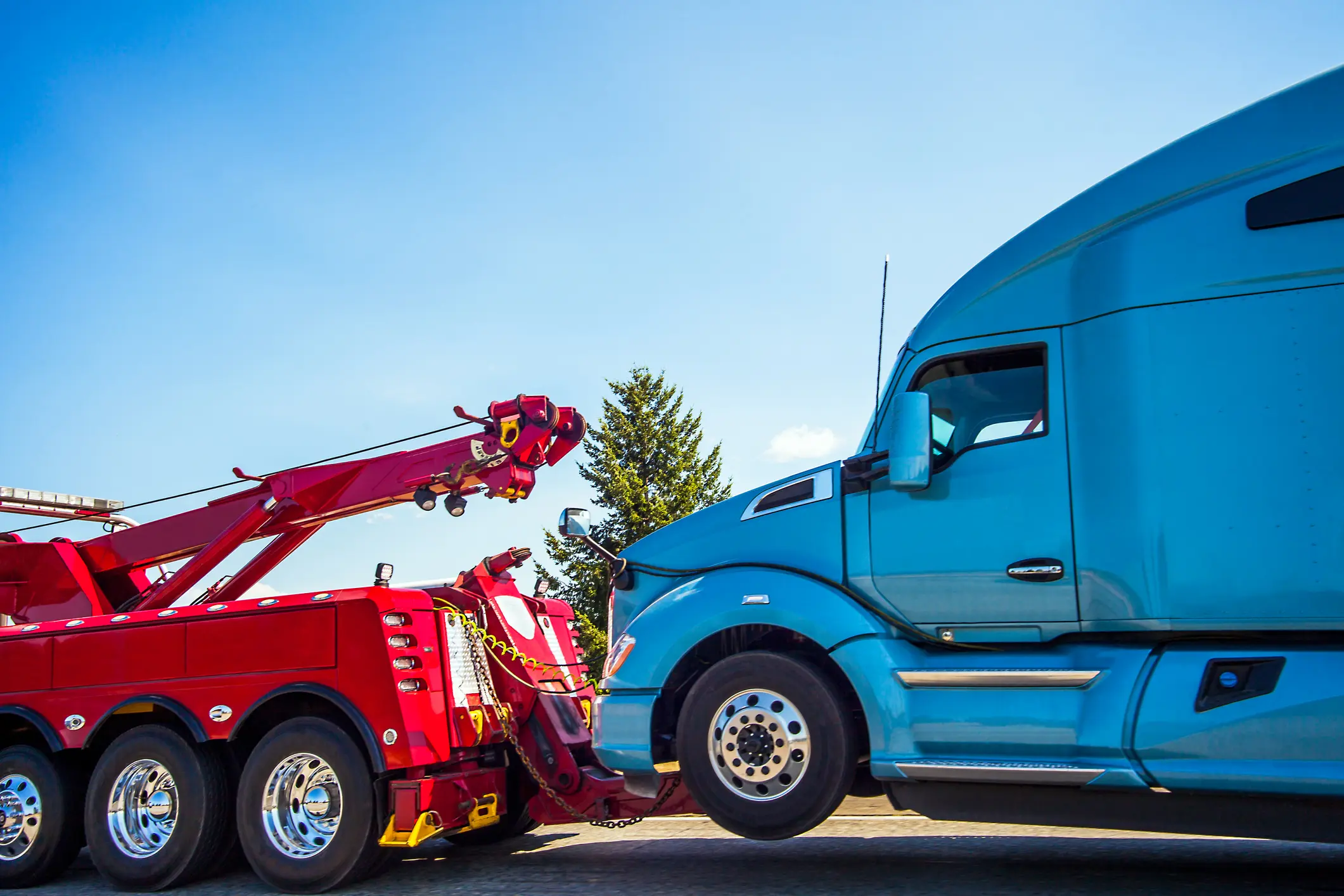
Commercial tow truck insurance operates within a distinct liability framework—one shaped by the operational realities of vehicle recovery, roadside response, and multi-state transport. This article outlines the core coverage components, the regulatory expectations tied to tow operations, and the compliance factors that fleet owners should understand.
What Is Commercial Tow Truck Insurance?
Tow trucks are regularly deployed in high-risk environments: active highway lanes, crash scenes, and congested urban corridors. The nature of the work—securing, lifting, and transporting disabled or damaged vehicles—introduces a category of liability exposure that differs from standard commercial auto operations.
If a towed vehicle detaches and strikes a third-party car, or if a tow operator loses vehicle control during a recovery, the resulting claims may include third-party bodily injury, property damage, and associated legal defense costs. Auto liability coverage is the foundational layer that addresses these external exposures and, in most jurisdictions, is a regulatory requirement for commercial operation.
The Federal Motor Carrier Safety Administration (FMCSA) sets minimum financial responsibility requirements for commercial motor vehicles operating in interstate commerce. State-level regulators may impose additional or higher thresholds, particularly for operators working in densely populated areas or under municipal contracts.
Core Coverage Structure
Auto Liability
Auto liability remains the primary coverage requirement for tow truck operators. It addresses bodily injury and property damage claims from third parties arising out of covered operations. Without meeting minimum liability thresholds, a tow company may not legally operate across state lines or secure municipal towing contracts.
Additional Coverage Considerations
Beyond liability, tow operators often encounter coverage questions around:
Uninsured/Underinsured Motorist (UM/UIM): relevant where tow operators face exposure from uninsured third-party drivers at accident scenes.
On-hook coverage: addresses damage to a customer's vehicle while it is attached to or transported by the tow truck.
Physical damage (APD): covers the tow truck itself against collision or comprehensive losses.
Each of these coverages addresses a distinct exposure layer. Liability coverage is non-negotiable from a regulatory standpoint; the others are structured around the operator’s risk profile. For a broader breakdown of how liability coverage differs, see Liability vs. Full Commercial Auto Insurance: What's the Difference?
Factors That Influence Coverage Structure
Several operational variables shape how a commercial tow truck policy is structured and what limits are appropriate:
Service radius and route type: interstate towing operations fall under FMCSA jurisdiction and must meet federal financial responsibility minimums. Local or regional operators are subject to state-specific requirements.
Type of towing performed: non-consensual towing (repossessions, impound work) may carry additional regulatory requirements or bonding obligations depending on state law.
Fleet size and driver profile: the number of vehicles operated and the experience and certification level of drivers are standard underwriting considerations.
Claims history: prior incidents inform risk assessment and may affect coverage availability or structure within certain markets, including Risk Retention Groups (RRGs).
Regulatory Compliance and Multi-State Operations
Towing operators crossing state lines must satisfy the higher of the applicable state or federal requirements. The FMCSA's minimum financial responsibility rules for interstate motor carriers are codified in 49 CFR Part 387 and establish baseline liability thresholds based on vehicle type and operations.
Operators holding municipal contracts or handling emergency dispatch work may also face coverage specifications outlined in those agreements that exceed statutory minimums. Annual policy review is advisable any time a tow business expands its service area, adds fleet vehicles, or takes on new contract types.
State rules for towing vary widely and may include specific documentation, notification, and bonding requirements. Gaps in compliance may carry regulatory consequences that arise separately from any insurance claim.
Safety Practices for Drivers and Owner-Operators
For drivers and owner-operators, documented safety habits are relevant to both claims outcomes and underwriting assessment. A consistent safety record—supported by paperwork and operational discipline—typically contributes to a more clearly defined risk profile, which may support more favorable underwriting terms.
Key factors include:
Current driver qualification files, medical certification, and license status. See FMCSA Driver Qualification Standards and Insurance Outcomes for a detailed overview;
Pre- and post-trip inspection records, particularly for tow hooks, cables, and braking systems;
Telematics data reflecting speed patterns and driving behavior;
Documented incident history, including near-misses and corrective actions taken.
Conclusion
Commercial tow truck insurance is built on auto liability—the coverage that meets regulatory requirements and addresses third-party claims arising from towing operations. Additional lines such as on-hook coverage, APD, and UM/UIM serve distinct purposes but do not replace liability as the operational and legal foundation.
For tow operators managing multi-state routes, municipal contracts, or non-consensual towing, understanding the applicable regulatory framework is essential to maintaining compliant coverage. Annual policy review, accurate documentation, and structured safety practices support both compliance and long-term risk management.
STAR Mutual RRG specializes in commercial auto liability for transportation operations, including tow truck fleets. Coverage is structured around the specific operational and regulatory requirements of the industry.
Commercial tow truck insurance operates within a distinct liability framework—one shaped by the operational realities of vehicle recovery, roadside response, and multi-state transport. This article outlines the core coverage components, the regulatory expectations tied to tow operations, and the compliance factors that fleet owners should understand.
What Is Commercial Tow Truck Insurance?
Tow trucks are regularly deployed in high-risk environments: active highway lanes, crash scenes, and congested urban corridors. The nature of the work—securing, lifting, and transporting disabled or damaged vehicles—introduces a category of liability exposure that differs from standard commercial auto operations.
If a towed vehicle detaches and strikes a third-party car, or if a tow operator loses vehicle control during a recovery, the resulting claims may include third-party bodily injury, property damage, and associated legal defense costs. Auto liability coverage is the foundational layer that addresses these external exposures and, in most jurisdictions, is a regulatory requirement for commercial operation.
The Federal Motor Carrier Safety Administration (FMCSA) sets minimum financial responsibility requirements for commercial motor vehicles operating in interstate commerce. State-level regulators may impose additional or higher thresholds, particularly for operators working in densely populated areas or under municipal contracts.
Core Coverage Structure
Auto Liability
Auto liability remains the primary coverage requirement for tow truck operators. It addresses bodily injury and property damage claims from third parties arising out of covered operations. Without meeting minimum liability thresholds, a tow company may not legally operate across state lines or secure municipal towing contracts.
Additional Coverage Considerations
Beyond liability, tow operators often encounter coverage questions around:
Uninsured/Underinsured Motorist (UM/UIM): relevant where tow operators face exposure from uninsured third-party drivers at accident scenes.
On-hook coverage: addresses damage to a customer's vehicle while it is attached to or transported by the tow truck.
Physical damage (APD): covers the tow truck itself against collision or comprehensive losses.
Each of these coverages addresses a distinct exposure layer. Liability coverage is non-negotiable from a regulatory standpoint; the others are structured around the operator’s risk profile. For a broader breakdown of how liability coverage differs, see Liability vs. Full Commercial Auto Insurance: What's the Difference?
Factors That Influence Coverage Structure
Several operational variables shape how a commercial tow truck policy is structured and what limits are appropriate:
Service radius and route type: interstate towing operations fall under FMCSA jurisdiction and must meet federal financial responsibility minimums. Local or regional operators are subject to state-specific requirements.
Type of towing performed: non-consensual towing (repossessions, impound work) may carry additional regulatory requirements or bonding obligations depending on state law.
Fleet size and driver profile: the number of vehicles operated and the experience and certification level of drivers are standard underwriting considerations.
Claims history: prior incidents inform risk assessment and may affect coverage availability or structure within certain markets, including Risk Retention Groups (RRGs).
Regulatory Compliance and Multi-State Operations
Towing operators crossing state lines must satisfy the higher of the applicable state or federal requirements. The FMCSA's minimum financial responsibility rules for interstate motor carriers are codified in 49 CFR Part 387 and establish baseline liability thresholds based on vehicle type and operations.
Operators holding municipal contracts or handling emergency dispatch work may also face coverage specifications outlined in those agreements that exceed statutory minimums. Annual policy review is advisable any time a tow business expands its service area, adds fleet vehicles, or takes on new contract types.
State rules for towing vary widely and may include specific documentation, notification, and bonding requirements. Gaps in compliance may carry regulatory consequences that arise separately from any insurance claim.
Safety Practices for Drivers and Owner-Operators
For drivers and owner-operators, documented safety habits are relevant to both claims outcomes and underwriting assessment. A consistent safety record—supported by paperwork and operational discipline—typically contributes to a more clearly defined risk profile, which may support more favorable underwriting terms.
Key factors include:
Current driver qualification files, medical certification, and license status. See FMCSA Driver Qualification Standards and Insurance Outcomes for a detailed overview;
Pre- and post-trip inspection records, particularly for tow hooks, cables, and braking systems;
Telematics data reflecting speed patterns and driving behavior;
Documented incident history, including near-misses and corrective actions taken.
Conclusion
Commercial tow truck insurance is built on auto liability—the coverage that meets regulatory requirements and addresses third-party claims arising from towing operations. Additional lines such as on-hook coverage, APD, and UM/UIM serve distinct purposes but do not replace liability as the operational and legal foundation.
For tow operators managing multi-state routes, municipal contracts, or non-consensual towing, understanding the applicable regulatory framework is essential to maintaining compliant coverage. Annual policy review, accurate documentation, and structured safety practices support both compliance and long-term risk management.
STAR Mutual RRG specializes in commercial auto liability for transportation operations, including tow truck fleets. Coverage is structured around the specific operational and regulatory requirements of the industry.
Contents
Stay up-to-date
Related Post
Become a STAR Agent
Become a STAR Agent
Get access to unparalleled technology-based service to quote and bind your clients in minutes.
Get appointed
Thousands of agents across the United States | Same-day quotes, ready to bind

STAR Mutual Risk Retention Group offers commercial auto liability insurance to the members of Reliable Transportation Association (“RTA”), looking for accessible and reliable coverage.
Contact
855-5MY-STAR (855-569-7827)
STAR Mutual RRG
PO Box 51414, Philadelphia
PA 19115
General inquiries:
Agent inquiries:
Claim inquiries:
The information presented on this website is for general informational purposes only and does not constitute legal, regulatory, or business advice. Readers are encouraged to consult with qualified legal or insurance professionals regarding questions specific to their circumstances.
The content is provided for general informational purposes only and does not constitute an offer to sell, or a solicitation of an offer to buy, insurance in any jurisdiction where STAR Mutual RRG is not licensed or registered. Any description of coverage is general and subject to the terms, conditions, and exclusions of the actual policy.
STAR Mutual Risk Retention Group offers commercial auto liability insurance to the members of Reliable Transportation Association (“RTA”), looking for accessible and reliable coverage.
Contact
855-5MY-STAR (855-569-7827)
STAR Mutual RRG
PO Box 51414, Philadelphia
PA 19115
General inquiries:
Agent inquiries:
Claim inquiries:
The information presented on this website is for general informational purposes only and does not constitute legal, regulatory, or business advice. Readers are encouraged to consult with qualified legal or insurance professionals regarding questions specific to their circumstances.
The content is provided for general informational purposes only and does not constitute an offer to sell, or a solicitation of an offer to buy, insurance in any jurisdiction where STAR Mutual RRG is not licensed or registered. Any description of coverage is general and subject to the terms, conditions, and exclusions of the actual policy.
STAR Mutual Risk Retention Group offers commercial auto liability insurance to the members of Reliable Transportation Association (“RTA”), looking for accessible and reliable coverage.
Contact
855-5MY-STAR (855-569-7827)
STAR Mutual RRG
PO Box 51414, Philadelphia
PA 19115
General inquiries:
Agent inquiries:
Claim inquiries:
The information presented on this website is for general informational purposes only and does not constitute legal, regulatory, or business advice. Readers are encouraged to consult with qualified legal or insurance professionals regarding questions specific to their circumstances.
The content is provided for general informational purposes only and does not constitute an offer to sell, or a solicitation of an offer to buy, insurance in any jurisdiction where STAR Mutual RRG is not licensed or registered. Any description of coverage is general and subject to the terms, conditions, and exclusions of the actual policy.
© 2026 - STAR Mutual RRG. All rights reserved.