Risk Retention Groups in Trucking: Separating Fact from Fiction
Risk Retention Groups are one of the most misunderstood coverage structures in commercial trucking. This article explains how they work and the factors that matter most when reviewing coverage options.
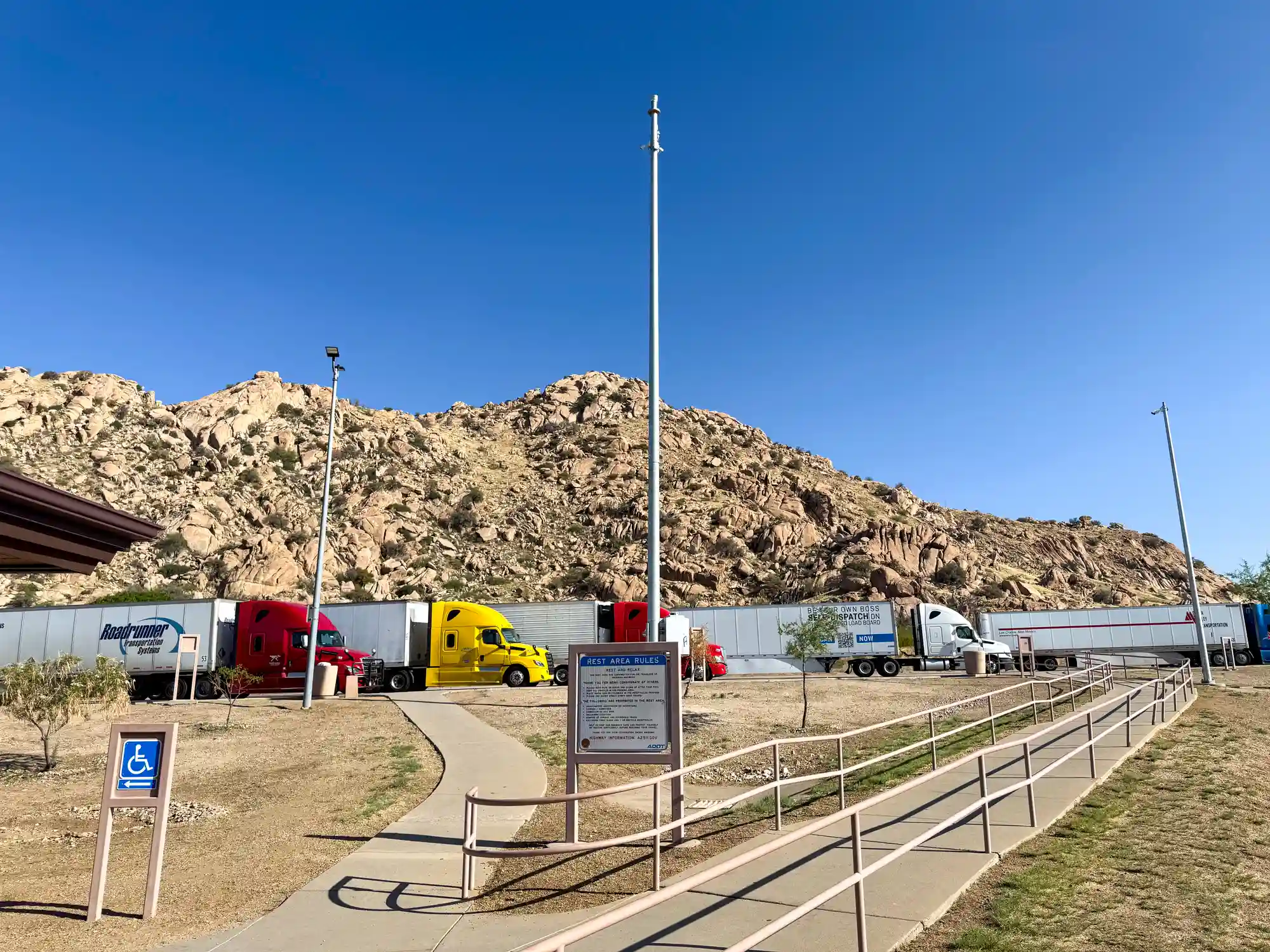
A Risk Retention Group (RRG) is a federally authorized, member-owned insurance entity that allows businesses with similar liability exposures, such as trucking companies, to pool coverage under a single structure.
RRGs are one of the more misunderstood insurance coverage structures in commercial transportation. Questions come up regularly about whether RRG coverage affects broker relationships, how financial ratings factor in, and whether a standard commercial policy offers meaningful advantages.
These are valid questions, and understanding the distinctions can help carriers evaluate coverage options more effectively. This article explains what an RRG is, how it functions in practice, and the key factors motor carriers and owner-operators commonly evaluate when reviewing insurance programs.
What Is a Risk Retention Group?
A Risk Retention Group is an insurance entity owned and operated by the businesses it covers. In commercial trucking, that means carriers and fleet operators with similar liability exposures come together under one structure to pool coverage. Because the program is built around a specific industry, the coverage structure is designed with transportation-related liability exposures in mind rather than a broad general commercial market.
RRGs are a federally authorized insurance structure established specifically for businesses with similar liability exposures. They were established under the Liability Risk Retention Act of 1986 and are fully licensed and regulated. An RRG is licensed in its domiciliary state and authorized to provide coverage to members across the United States under that single license. Like other insurers, RRGs are required to maintain reserves, meet capitalization requirements, and fulfill claims obligations.
One of the primary distinctions from a traditional insurance structure is ownership. Members of an RRG are also its policyholders, which means the organization has a direct interest in keeping those members protected, financially stable, and operating.
Common Questions About RRG Coverage in Trucking
"Will brokers refuse to work with carriers that have RRG coverage?"
In practice, freight brokers and shippers evaluate carriers based on active FMCSA operating authority, liability limits that meet federal minimums—typically $750,000 to $1,000,000 depending on cargo type—and safety performance, including CSA scores. A certificate of insurance confirms that the required coverage is in place, regardless of the insurer structure behind the policy. Carrier compliance programs are generally designed to verify operational and insurance requirements rather than evaluate insurance market structures themselves.
Insurance requirements can vary depending on the shipper, broker, or transportation network involved. Confirming any specific requirements with an insurance agent or compliance contact is a practical step when evaluating coverage options.
"Do RRGs rely on too many outside parties, creating coverage gaps?"
Like many insurance programs across the commercial market, RRGs may work with specialized service providers for functions such as claims administration, underwriting support, or reinsurance. The use of third-party administrators (TPAs), managing general agents, or reinsurance arrangements is a common operational structure throughout the insurance industry.
What matters most is how the program itself is structured, managed, and supported financially, including the clarity of coverage terms, claims handling processes, and the program’s ability to meet its obligations to insured members.
"Do low financial ratings on RRGs create problems with brokers and shippers?"
In parts of the transportation market, certain brokers, shippers, or enterprise compliance programs may consider insurer ratings as one of several factors when evaluating carrier eligibility. In practice, however, operational fundamentals such as authority status, liability limits, safety performance, claims history, and overall compliance tend to play a larger role in day-to-day freight access for many motor carriers.
Insurance ratings are best viewed as one component of a broader evaluation process rather than a standalone indicator of whether a transportation operation can secure loads or maintain broker relationships. Reviewing shipper-specific insurance requirements with an agent or program administrator can help confirm that coverage aligns with the operational and contractual needs of the business.
"Does a standard commercial policy open up better load opportunities?"
Access to freight opportunities is typically influenced by a combination of operational and compliance factors, including safety performance, equipment condition, authority status, loss history, and customer requirements. In many segments of the transportation market, these operational factors carry greater weight than the specific market structure of the liability insurer.
At the same time, some larger shippers, brokers, or enterprise compliance programs may maintain their own insurance eligibility standards. Experienced motor carriers often confirm any contractual insurance requirements before selecting a coverage program.
When Additional Insurance Requirements Apply
A segment of large shippers, particularly enterprise-level logistics operations with formal carrier compliance programs, may specify certain insurance requirements within their onboarding standards. In some cases, these requirements relate to admitted-market insurers or specific eligibility criteria established by the shipper or broker.
Under federal law, RRGs occupy their own regulatory classification separate from surplus lines or other non-admitted market structures. Because insurance requirements can vary by transportation network and contractual relationship, confirming any contractual insurance requirements before selecting a coverage program is a recommended step in the carrier onboarding process.
Why RRG Coverage Is Sometimes Misunderstood
Discussions about RRG coverage often involve several separate concepts, including admitted status, insurer ratings, and insurance market structure. Because these issues are distinct, understanding how they relate to a specific transportation operation can help carriers make more informed coverage decisions.
Coverage decisions are most effective when evaluated in the context of the operation, including routes, cargo, fleet composition, contractual obligations, and long-term business goals.
How the Claims Process Works in an RRG Program
When an incident occurs on the road, the claims process is where coverage either performs as expected or falls short. It is the aspect of any insurance program that matters most in practice.
As with any segment of the insurance market, the quality and financial strength of individual programs can vary. What matters is not the market structure itself, but how a specific program is capitalized, managed, and supported—and whether it has a demonstrated track record of handling claims for trucking and commercial auto operations.
Adequate loss reserves, a stable claims-paying history, reinsurance backing, and dedicated claims management with demonstrated transportation experience are the indicators that matter and are among the practical considerations worth examining when evaluating any RRG program.
In commercial transportation claims specifically, the experience of whoever manages the claims function, whether that is an in-house team or a third-party administrator, matters beyond general insurance knowledge. Accidents involving commercial vehicles can carry FMCSA recordkeeping obligations, cargo liability considerations, and multi-party legal exposure. A claims team without transportation-specific experience may handle the insurance mechanics correctly while missing the regulatory and operational dimensions that affect a carrier's authority and livelihood.
When evaluating any insurance program, claims management is one of the most important indicators of how a program supports its insureds in practice.
How to Evaluate an Insurance Program
Whether coverage is provided through an RRG or another insurance structure, the considerations that often have the greatest practical impact on long-term operational stability are generally the same:
Does the coverage meet FMCSA liability requirements for the specific operation and cargo type?
Does the program have a documented history of handling and paying claims?
Does the coverage structure reflect the realities of the operation, including routes, cargo, fleet composition, and driver structure?
Is there a dedicated claims function with experience handling commercial transportation incidents?
Those are typically the factors that matter most in practice. Market classification is worth understanding, but it is rarely the deciding factor in whether a program works for a given operation.
STAR Mutual RRG provides commercial transportation liability coverage to member-insureds. Additional auto physical damage and motor truck cargo programs are available through the Reliable Transportation Association. Coverage terms, availability, eligibility, and regulatory treatment may vary by state and operation. Program inquiries should be directed to a licensed insurance professional.
A Risk Retention Group (RRG) is a federally authorized, member-owned insurance entity that allows businesses with similar liability exposures, such as trucking companies, to pool coverage under a single structure.
RRGs are one of the more misunderstood insurance coverage structures in commercial transportation. Questions come up regularly about whether RRG coverage affects broker relationships, how financial ratings factor in, and whether a standard commercial policy offers meaningful advantages.
These are valid questions, and understanding the distinctions can help carriers evaluate coverage options more effectively. This article explains what an RRG is, how it functions in practice, and the key factors motor carriers and owner-operators commonly evaluate when reviewing insurance programs.
What Is a Risk Retention Group?
A Risk Retention Group is an insurance entity owned and operated by the businesses it covers. In commercial trucking, that means carriers and fleet operators with similar liability exposures come together under one structure to pool coverage. Because the program is built around a specific industry, the coverage structure is designed with transportation-related liability exposures in mind rather than a broad general commercial market.
RRGs are a federally authorized insurance structure established specifically for businesses with similar liability exposures. They were established under the Liability Risk Retention Act of 1986 and are fully licensed and regulated. An RRG is licensed in its domiciliary state and authorized to provide coverage to members across the United States under that single license. Like other insurers, RRGs are required to maintain reserves, meet capitalization requirements, and fulfill claims obligations.
One of the primary distinctions from a traditional insurance structure is ownership. Members of an RRG are also its policyholders, which means the organization has a direct interest in keeping those members protected, financially stable, and operating.
Common Questions About RRG Coverage in Trucking
"Will brokers refuse to work with carriers that have RRG coverage?"
In practice, freight brokers and shippers evaluate carriers based on active FMCSA operating authority, liability limits that meet federal minimums—typically $750,000 to $1,000,000 depending on cargo type—and safety performance, including CSA scores. A certificate of insurance confirms that the required coverage is in place, regardless of the insurer structure behind the policy. Carrier compliance programs are generally designed to verify operational and insurance requirements rather than evaluate insurance market structures themselves.
Insurance requirements can vary depending on the shipper, broker, or transportation network involved. Confirming any specific requirements with an insurance agent or compliance contact is a practical step when evaluating coverage options.
"Do RRGs rely on too many outside parties, creating coverage gaps?"
Like many insurance programs across the commercial market, RRGs may work with specialized service providers for functions such as claims administration, underwriting support, or reinsurance. The use of third-party administrators (TPAs), managing general agents, or reinsurance arrangements is a common operational structure throughout the insurance industry.
What matters most is how the program itself is structured, managed, and supported financially, including the clarity of coverage terms, claims handling processes, and the program’s ability to meet its obligations to insured members.
"Do low financial ratings on RRGs create problems with brokers and shippers?"
In parts of the transportation market, certain brokers, shippers, or enterprise compliance programs may consider insurer ratings as one of several factors when evaluating carrier eligibility. In practice, however, operational fundamentals such as authority status, liability limits, safety performance, claims history, and overall compliance tend to play a larger role in day-to-day freight access for many motor carriers.
Insurance ratings are best viewed as one component of a broader evaluation process rather than a standalone indicator of whether a transportation operation can secure loads or maintain broker relationships. Reviewing shipper-specific insurance requirements with an agent or program administrator can help confirm that coverage aligns with the operational and contractual needs of the business.
"Does a standard commercial policy open up better load opportunities?"
Access to freight opportunities is typically influenced by a combination of operational and compliance factors, including safety performance, equipment condition, authority status, loss history, and customer requirements. In many segments of the transportation market, these operational factors carry greater weight than the specific market structure of the liability insurer.
At the same time, some larger shippers, brokers, or enterprise compliance programs may maintain their own insurance eligibility standards. Experienced motor carriers often confirm any contractual insurance requirements before selecting a coverage program.
When Additional Insurance Requirements Apply
A segment of large shippers, particularly enterprise-level logistics operations with formal carrier compliance programs, may specify certain insurance requirements within their onboarding standards. In some cases, these requirements relate to admitted-market insurers or specific eligibility criteria established by the shipper or broker.
Under federal law, RRGs occupy their own regulatory classification separate from surplus lines or other non-admitted market structures. Because insurance requirements can vary by transportation network and contractual relationship, confirming any contractual insurance requirements before selecting a coverage program is a recommended step in the carrier onboarding process.
Why RRG Coverage Is Sometimes Misunderstood
Discussions about RRG coverage often involve several separate concepts, including admitted status, insurer ratings, and insurance market structure. Because these issues are distinct, understanding how they relate to a specific transportation operation can help carriers make more informed coverage decisions.
Coverage decisions are most effective when evaluated in the context of the operation, including routes, cargo, fleet composition, contractual obligations, and long-term business goals.
How the Claims Process Works in an RRG Program
When an incident occurs on the road, the claims process is where coverage either performs as expected or falls short. It is the aspect of any insurance program that matters most in practice.
As with any segment of the insurance market, the quality and financial strength of individual programs can vary. What matters is not the market structure itself, but how a specific program is capitalized, managed, and supported—and whether it has a demonstrated track record of handling claims for trucking and commercial auto operations.
Adequate loss reserves, a stable claims-paying history, reinsurance backing, and dedicated claims management with demonstrated transportation experience are the indicators that matter and are among the practical considerations worth examining when evaluating any RRG program.
In commercial transportation claims specifically, the experience of whoever manages the claims function, whether that is an in-house team or a third-party administrator, matters beyond general insurance knowledge. Accidents involving commercial vehicles can carry FMCSA recordkeeping obligations, cargo liability considerations, and multi-party legal exposure. A claims team without transportation-specific experience may handle the insurance mechanics correctly while missing the regulatory and operational dimensions that affect a carrier's authority and livelihood.
When evaluating any insurance program, claims management is one of the most important indicators of how a program supports its insureds in practice.
How to Evaluate an Insurance Program
Whether coverage is provided through an RRG or another insurance structure, the considerations that often have the greatest practical impact on long-term operational stability are generally the same:
Does the coverage meet FMCSA liability requirements for the specific operation and cargo type?
Does the program have a documented history of handling and paying claims?
Does the coverage structure reflect the realities of the operation, including routes, cargo, fleet composition, and driver structure?
Is there a dedicated claims function with experience handling commercial transportation incidents?
Those are typically the factors that matter most in practice. Market classification is worth understanding, but it is rarely the deciding factor in whether a program works for a given operation.
STAR Mutual RRG provides commercial transportation liability coverage to member-insureds. Additional auto physical damage and motor truck cargo programs are available through the Reliable Transportation Association. Coverage terms, availability, eligibility, and regulatory treatment may vary by state and operation. Program inquiries should be directed to a licensed insurance professional.
Contents
Stay up-to-date
Related Post


Become a STAR Agent
Become a STAR Agent
Get access to unparalleled technology-based service to quote and bind your clients in minutes.
Get appointed
Thousands of agents across the United States | Same-day quotes, ready to bind

STAR Mutual Risk Retention Group offers commercial auto liability insurance to the members of Reliable Transportation Association (“RTA”), looking for accessible and reliable coverage.
Contact
855-5MY-STAR (855-569-7827)
STAR Mutual RRG
PO Box 51414, Philadelphia
PA 19115
General inquiries:
Agent inquiries:
Claim inquiries:
The information presented on this website is for general informational purposes only and does not constitute legal, regulatory, or business advice. Readers are encouraged to consult with qualified legal or insurance professionals regarding questions specific to their circumstances.
The content is provided for general informational purposes only and does not constitute an offer to sell, or a solicitation of an offer to buy, insurance in any jurisdiction where STAR Mutual RRG is not licensed or registered. Any description of coverage is general and subject to the terms, conditions, and exclusions of the actual policy.
STAR Mutual Risk Retention Group offers commercial auto liability insurance to the members of Reliable Transportation Association (“RTA”), looking for accessible and reliable coverage.
Contact
855-5MY-STAR (855-569-7827)
STAR Mutual RRG
PO Box 51414, Philadelphia
PA 19115
General inquiries:
Agent inquiries:
Claim inquiries:
The information presented on this website is for general informational purposes only and does not constitute legal, regulatory, or business advice. Readers are encouraged to consult with qualified legal or insurance professionals regarding questions specific to their circumstances.
The content is provided for general informational purposes only and does not constitute an offer to sell, or a solicitation of an offer to buy, insurance in any jurisdiction where STAR Mutual RRG is not licensed or registered. Any description of coverage is general and subject to the terms, conditions, and exclusions of the actual policy.
STAR Mutual Risk Retention Group offers commercial auto liability insurance to the members of Reliable Transportation Association (“RTA”), looking for accessible and reliable coverage.
Contact
855-5MY-STAR (855-569-7827)
STAR Mutual RRG
PO Box 51414, Philadelphia
PA 19115
General inquiries:
Agent inquiries:
Claim inquiries:
The information presented on this website is for general informational purposes only and does not constitute legal, regulatory, or business advice. Readers are encouraged to consult with qualified legal or insurance professionals regarding questions specific to their circumstances.
The content is provided for general informational purposes only and does not constitute an offer to sell, or a solicitation of an offer to buy, insurance in any jurisdiction where STAR Mutual RRG is not licensed or registered. Any description of coverage is general and subject to the terms, conditions, and exclusions of the actual policy.
© 2026 - STAR Mutual RRG. All rights reserved.