Dump Truck Insurance: Managing Liability in Heavy Hauling
A clear guide to dump truck insurance, including liability coverage, FMCSA requirements, and key factors that shape cost, compliance, and operational risk.
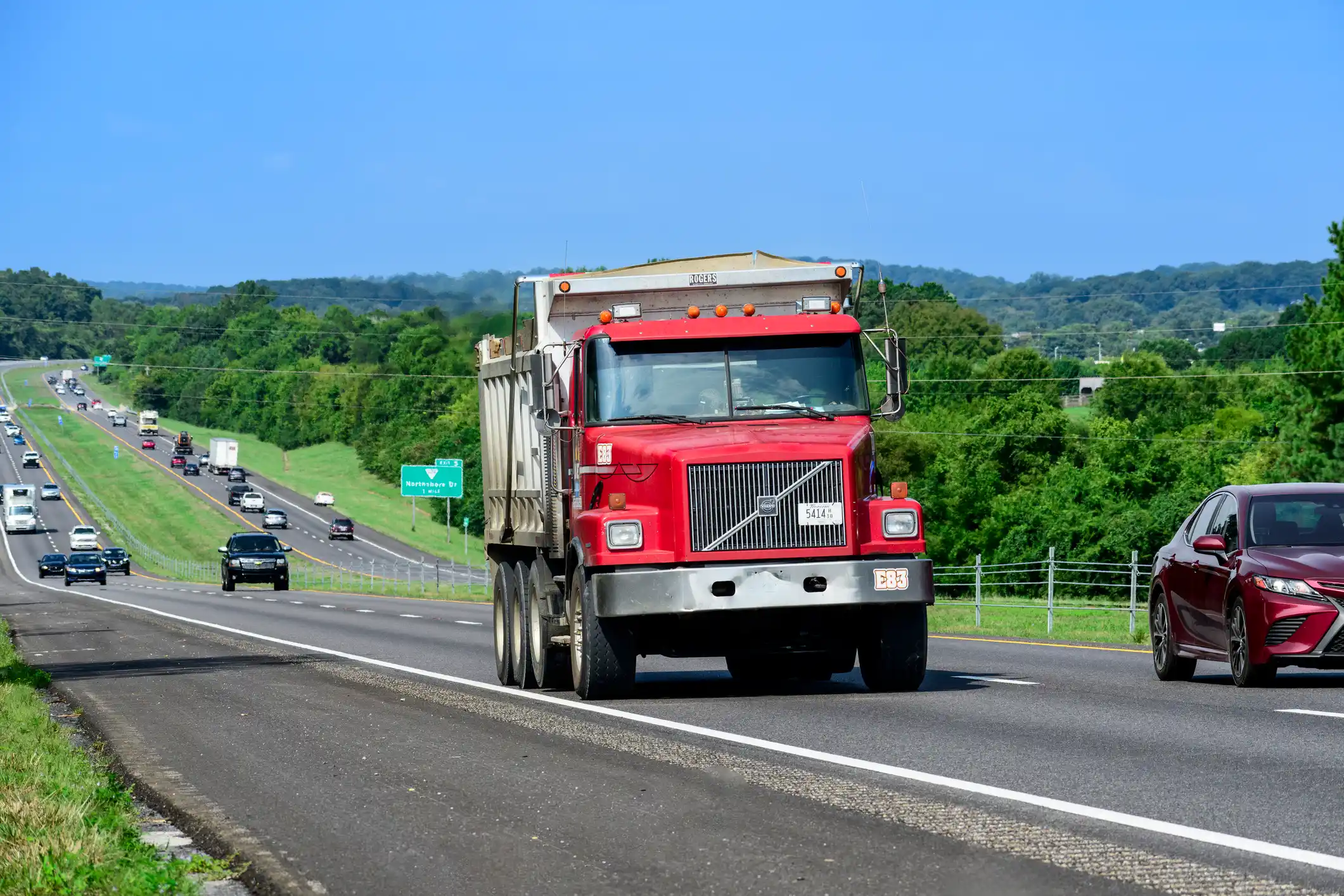
Dump trucks operate in demanding environments—construction corridors, active roadwork zones, and variable freight routes—where load dynamics, debris exposure, and road conditions create distinct liability profiles.
Commercial dump truck insurance is structured to address these specific risks, covering liability exposures that may not always be fully addressed under generalized commercial auto policy structures. This article outlines dump truck insurance requirements, core coverage components, and the regulatory framework that governs heavy hauling operations.
Why Dump Truck Insurance Requires a Specialized Approach
Standard commercial auto policies may not always be structured for the exposures inherent to dump truck operations. Shifting loads, elevated gross vehicle weight ratings, and frequent work-zone activity contribute to a risk profile that most personal or general commercial auto policies do not adequately address.
A single incident—an unsecured load dispersal, a rollover, or a debris spill—may generate bodily injury claims, third-party property damage, or road hazard liability. Misclassification of operations or vehicle type may affect how coverage applies at the time of a claim, depending on policy terms and disclosures.
Federal and State Requirements for Dump Truck Insurance
For interstate operations, the Federal Motor Carrier Safety Administration (FMCSA) establishes minimum public liability thresholds. Most for-hire carriers operating dump trucks are required to carry a minimum of $750,000 in public liability coverage under 49 CFR Part 387. Carriers transporting certain hazardous materials may be subject to higher minimums under the same regulatory framework.
State-level requirements vary and may include additional endorsements for environmental hazard exposure or elevated limits for heavier load classifications. Operators working across multiple jurisdictions may find it useful to confirm applicable requirements with each state's Department of Transportation (DOT) or motor carrier regulatory authority.
Operating below the applicable coverage minimum may result in fines, license suspension, or out-of-service designations.
Coverage Program for Dump Truck Insurance
Dump truck insurance typically includes four core coverage components: commercial auto liability for third-party claims, auto physical damage for vehicle repair costs, uninsured/underinsured motorist protection, and personal injury protection where required by state law.
These coverage lines work together to address the operational exposures specific to heavy hauling:
Commercial Auto Liability: Addresses bodily injury and property damage arising from an at-fault incident involving the covered vehicle.
Auto Physical Damage (APD): Covers repair or replacement costs for the insured truck, typically structured as collision and comprehensive.
Uninsured/Underinsured Motorist (UM/UIM): Applies when the at-fault party lacks sufficient coverage to satisfy a claim.
Personal Injury Protection (PIP): Covers driver medical expenses regardless of fault, where state law requires this coverage.
Operations involving materials that present spillage or contamination risk may require a separate pollution liability endorsement, as standard liability forms often exclude such exposures.
Common Coverage Gaps in Dump Truck Operations
Even when a policy is in place, certain exposures may remain if coverage is not aligned with actual operations. Common areas to review include:
On-site vs. road exposure: Some policies are structured primarily for road use and may treat certain jobsite incidents differently depending on policy terms.
Load-related incidents: Damage caused by falling debris or improperly secured materials may depend on how operations are classified and disclosed.
Pollution and spillage: Standard liability coverage may exclude environmental cleanup or contamination-related losses.
Subcontracted drivers or leased operators: Coverage may vary depending on how drivers are scheduled, classified, or insured.
Regular policy review helps ensure that coverage reflects how the dump truck is actually used in daily operations.
How Much Is Dump Truck Insurance? Key Cost Factors
Questions about how much is dump truck insurance—or what constitutes an average dump truck insurance cost—do not have uniform answers. Insurance pricing and coverage structure are influenced by several operational factors, including:
Load type: Rock, gravel, asphalt, and demolition debris carry different frequency and severity profiles.
Operating radius: Urban routes with higher traffic density present different exposure than rural or highway-based operations.
Driver qualification records: Prior claims, moving violations, and verified commercial driving experience are commonly considered in evaluating risk and coverage structure.
Fleet composition and vehicle age: Multi-unit operations and older equipment may require broader policy structures to maintain consistent coverage.
Policy review is particularly important when operations change—such as adding vehicles, expanding into new states, changing load types, or taking on new contracts.
Minimizing Risk in Dump Truck Operations
Insurance coverage provides financial protection, but day-to-day operating practices play a critical role in reducing exposure and maintaining long-term stability. For dump truck operators, several practical considerations can significantly influence safety outcomes:
Load stability and distribution
Improperly secured or unevenly distributed loads can shift during transit, affecting vehicle balance and increasing rollover risk. Consistent load management practices help maintain control, particularly on uneven terrain or during turns.
Brake system awareness
Heavy loads place additional stress on braking systems, especially during downhill travel or stop-and-go conditions. Routine inspection and awareness of braking performance are essential to avoid mechanical failure under load.
Controlled dumping environments
Raising the dump bed introduces unique hazards, including overhead obstructions and ground instability. Selecting appropriate dumping locations—clear of power lines, traffic, and uneven surfaces—reduces the risk of tip-overs and external damage.
Driving behavior under varying load conditions
Dump trucks handle differently depending on whether they are loaded or empty. Adjusting speed, following distance, and maneuvering techniques accordingly is critical to maintaining control and avoiding collisions.
Consistent attention to these factors supports safer operations and may contribute to more stable loss experience over time. In many cases, improved safety performance is directly reflected in reduced claim frequency and more predictable insurance outcomes.
Conclusion
Dump truck insurance addresses a defined set of liability exposures arising from heavy hauling operations. Familiarity with FMCSA requirements, applicable state obligations, and the core coverage components—liability, APD, UM/UIM, and PIP where required—supports both regulatory compliance and operational continuity.
Documentation of driver qualifications, load protocols, and vehicle maintenance records reinforces the compliance posture that structured coverage is designed to support—and more broadly, reflects the kind of operational discipline that reduces exposure before a loss occurs.
For dump truck operators, aligning coverage with actual operations—and maintaining clear documentation of drivers, equipment, and load handling practices—supports long-term business stability. Treating coverage as an active risk-management tool rather than a contractual checkbox can further strengthen operational resilience.
STAR Mutual RRG specializes in commercial auto insurance built around the real-world risk profiles that commercial auto operators face daily. We understand that behind every fleet is a business, a livelihood, and a reputation that depends on staying compliant, staying safe, and staying on the road. That's why our approach focuses on aligning coverage structures with the operational realities and regulatory requirements that dump truck operators navigate daily.
Dump trucks operate in demanding environments—construction corridors, active roadwork zones, and variable freight routes—where load dynamics, debris exposure, and road conditions create distinct liability profiles.
Commercial dump truck insurance is structured to address these specific risks, covering liability exposures that may not always be fully addressed under generalized commercial auto policy structures. This article outlines dump truck insurance requirements, core coverage components, and the regulatory framework that governs heavy hauling operations.
Why Dump Truck Insurance Requires a Specialized Approach
Standard commercial auto policies may not always be structured for the exposures inherent to dump truck operations. Shifting loads, elevated gross vehicle weight ratings, and frequent work-zone activity contribute to a risk profile that most personal or general commercial auto policies do not adequately address.
A single incident—an unsecured load dispersal, a rollover, or a debris spill—may generate bodily injury claims, third-party property damage, or road hazard liability. Misclassification of operations or vehicle type may affect how coverage applies at the time of a claim, depending on policy terms and disclosures.
Federal and State Requirements for Dump Truck Insurance
For interstate operations, the Federal Motor Carrier Safety Administration (FMCSA) establishes minimum public liability thresholds. Most for-hire carriers operating dump trucks are required to carry a minimum of $750,000 in public liability coverage under 49 CFR Part 387. Carriers transporting certain hazardous materials may be subject to higher minimums under the same regulatory framework.
State-level requirements vary and may include additional endorsements for environmental hazard exposure or elevated limits for heavier load classifications. Operators working across multiple jurisdictions may find it useful to confirm applicable requirements with each state's Department of Transportation (DOT) or motor carrier regulatory authority.
Operating below the applicable coverage minimum may result in fines, license suspension, or out-of-service designations.
Coverage Program for Dump Truck Insurance
Dump truck insurance typically includes four core coverage components: commercial auto liability for third-party claims, auto physical damage for vehicle repair costs, uninsured/underinsured motorist protection, and personal injury protection where required by state law.
These coverage lines work together to address the operational exposures specific to heavy hauling:
Commercial Auto Liability: Addresses bodily injury and property damage arising from an at-fault incident involving the covered vehicle.
Auto Physical Damage (APD): Covers repair or replacement costs for the insured truck, typically structured as collision and comprehensive.
Uninsured/Underinsured Motorist (UM/UIM): Applies when the at-fault party lacks sufficient coverage to satisfy a claim.
Personal Injury Protection (PIP): Covers driver medical expenses regardless of fault, where state law requires this coverage.
Operations involving materials that present spillage or contamination risk may require a separate pollution liability endorsement, as standard liability forms often exclude such exposures.
Common Coverage Gaps in Dump Truck Operations
Even when a policy is in place, certain exposures may remain if coverage is not aligned with actual operations. Common areas to review include:
On-site vs. road exposure: Some policies are structured primarily for road use and may treat certain jobsite incidents differently depending on policy terms.
Load-related incidents: Damage caused by falling debris or improperly secured materials may depend on how operations are classified and disclosed.
Pollution and spillage: Standard liability coverage may exclude environmental cleanup or contamination-related losses.
Subcontracted drivers or leased operators: Coverage may vary depending on how drivers are scheduled, classified, or insured.
Regular policy review helps ensure that coverage reflects how the dump truck is actually used in daily operations.
How Much Is Dump Truck Insurance? Key Cost Factors
Questions about how much is dump truck insurance—or what constitutes an average dump truck insurance cost—do not have uniform answers. Insurance pricing and coverage structure are influenced by several operational factors, including:
Load type: Rock, gravel, asphalt, and demolition debris carry different frequency and severity profiles.
Operating radius: Urban routes with higher traffic density present different exposure than rural or highway-based operations.
Driver qualification records: Prior claims, moving violations, and verified commercial driving experience are commonly considered in evaluating risk and coverage structure.
Fleet composition and vehicle age: Multi-unit operations and older equipment may require broader policy structures to maintain consistent coverage.
Policy review is particularly important when operations change—such as adding vehicles, expanding into new states, changing load types, or taking on new contracts.
Minimizing Risk in Dump Truck Operations
Insurance coverage provides financial protection, but day-to-day operating practices play a critical role in reducing exposure and maintaining long-term stability. For dump truck operators, several practical considerations can significantly influence safety outcomes:
Load stability and distribution
Improperly secured or unevenly distributed loads can shift during transit, affecting vehicle balance and increasing rollover risk. Consistent load management practices help maintain control, particularly on uneven terrain or during turns.
Brake system awareness
Heavy loads place additional stress on braking systems, especially during downhill travel or stop-and-go conditions. Routine inspection and awareness of braking performance are essential to avoid mechanical failure under load.
Controlled dumping environments
Raising the dump bed introduces unique hazards, including overhead obstructions and ground instability. Selecting appropriate dumping locations—clear of power lines, traffic, and uneven surfaces—reduces the risk of tip-overs and external damage.
Driving behavior under varying load conditions
Dump trucks handle differently depending on whether they are loaded or empty. Adjusting speed, following distance, and maneuvering techniques accordingly is critical to maintaining control and avoiding collisions.
Consistent attention to these factors supports safer operations and may contribute to more stable loss experience over time. In many cases, improved safety performance is directly reflected in reduced claim frequency and more predictable insurance outcomes.
Conclusion
Dump truck insurance addresses a defined set of liability exposures arising from heavy hauling operations. Familiarity with FMCSA requirements, applicable state obligations, and the core coverage components—liability, APD, UM/UIM, and PIP where required—supports both regulatory compliance and operational continuity.
Documentation of driver qualifications, load protocols, and vehicle maintenance records reinforces the compliance posture that structured coverage is designed to support—and more broadly, reflects the kind of operational discipline that reduces exposure before a loss occurs.
For dump truck operators, aligning coverage with actual operations—and maintaining clear documentation of drivers, equipment, and load handling practices—supports long-term business stability. Treating coverage as an active risk-management tool rather than a contractual checkbox can further strengthen operational resilience.
STAR Mutual RRG specializes in commercial auto insurance built around the real-world risk profiles that commercial auto operators face daily. We understand that behind every fleet is a business, a livelihood, and a reputation that depends on staying compliant, staying safe, and staying on the road. That's why our approach focuses on aligning coverage structures with the operational realities and regulatory requirements that dump truck operators navigate daily.
Contents
Stay up-to-date
Related Post
Become a STAR Agent
Become a STAR Agent
Get access to unparalleled technology-based service to quote and bind your clients in minutes.
Get appointed
Thousands of agents across the United States | Same-day quotes, ready to bind

STAR Mutual Risk Retention Group offers commercial auto liability insurance to the members of Reliable Transportation Association (“RTA”), looking for accessible and reliable coverage.
Contact
855-5MY-STAR (855-569-7827)
STAR Mutual RRG
PO Box 51414, Philadelphia
PA 19115
General inquiries:
Agent inquiries:
Claim inquiries:
The information presented on this website is for general informational purposes only and does not constitute legal, regulatory, or business advice. Readers are encouraged to consult with qualified legal or insurance professionals regarding questions specific to their circumstances.
The content is provided for general informational purposes only and does not constitute an offer to sell, or a solicitation of an offer to buy, insurance in any jurisdiction where STAR Mutual RRG is not licensed or registered. Any description of coverage is general and subject to the terms, conditions, and exclusions of the actual policy.
STAR Mutual Risk Retention Group offers commercial auto liability insurance to the members of Reliable Transportation Association (“RTA”), looking for accessible and reliable coverage.
Contact
855-5MY-STAR (855-569-7827)
STAR Mutual RRG
PO Box 51414, Philadelphia
PA 19115
General inquiries:
Agent inquiries:
Claim inquiries:
The information presented on this website is for general informational purposes only and does not constitute legal, regulatory, or business advice. Readers are encouraged to consult with qualified legal or insurance professionals regarding questions specific to their circumstances.
The content is provided for general informational purposes only and does not constitute an offer to sell, or a solicitation of an offer to buy, insurance in any jurisdiction where STAR Mutual RRG is not licensed or registered. Any description of coverage is general and subject to the terms, conditions, and exclusions of the actual policy.
STAR Mutual Risk Retention Group offers commercial auto liability insurance to the members of Reliable Transportation Association (“RTA”), looking for accessible and reliable coverage.
Contact
855-5MY-STAR (855-569-7827)
STAR Mutual RRG
PO Box 51414, Philadelphia
PA 19115
General inquiries:
Agent inquiries:
Claim inquiries:
The information presented on this website is for general informational purposes only and does not constitute legal, regulatory, or business advice. Readers are encouraged to consult with qualified legal or insurance professionals regarding questions specific to their circumstances.
The content is provided for general informational purposes only and does not constitute an offer to sell, or a solicitation of an offer to buy, insurance in any jurisdiction where STAR Mutual RRG is not licensed or registered. Any description of coverage is general and subject to the terms, conditions, and exclusions of the actual policy.
© 2026 - STAR Mutual RRG. All rights reserved.