FMCSA Accident Documentation Requirements for Trucking Companies
FMCSA accident recordkeeping rules, their impact on compliance and claims, and practical guidance on what U.S. trucking companies need to document.
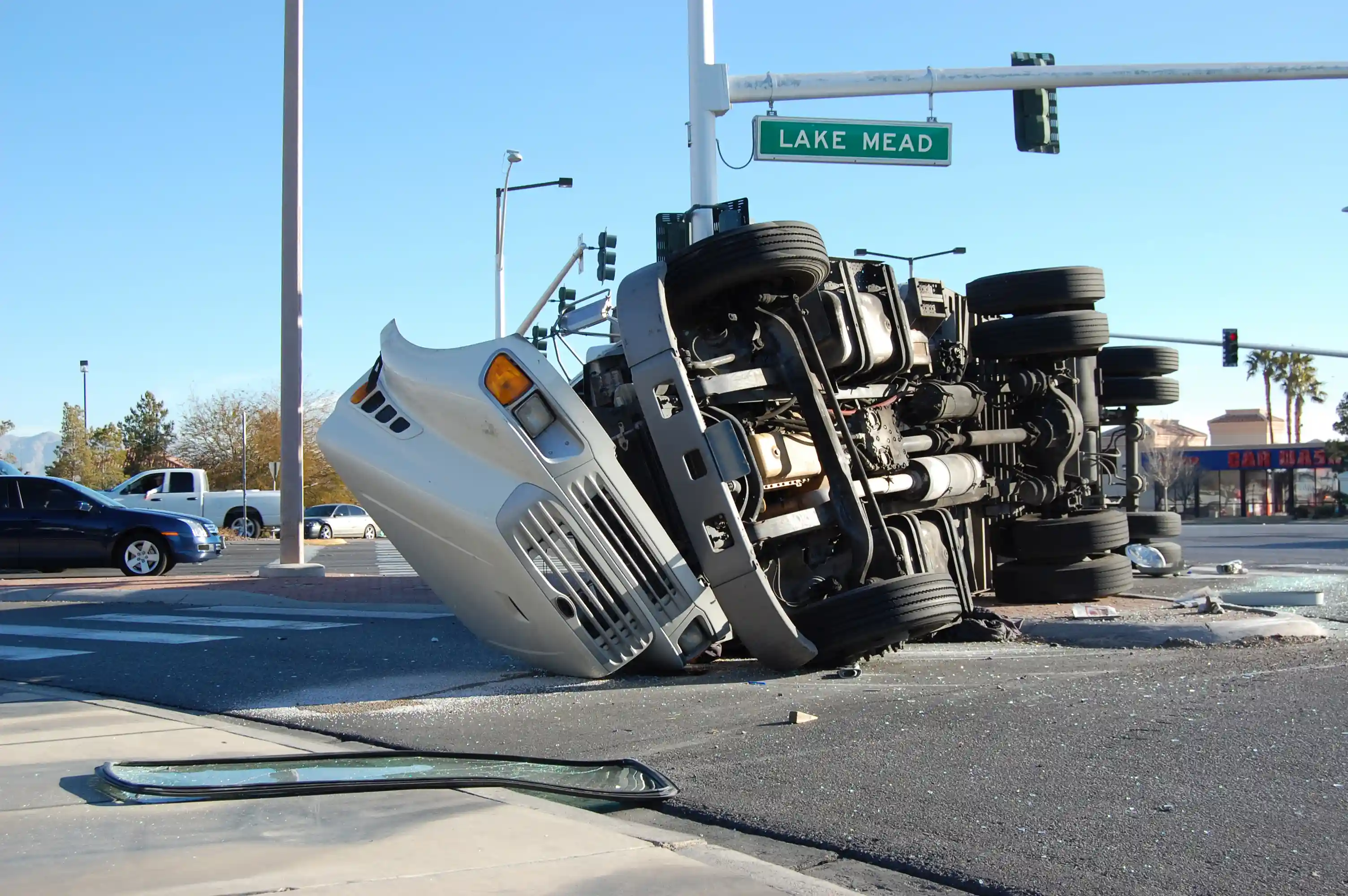
Accidents involving commercial motor vehicles carry regulatory, legal, and operational consequences. Under the Federal Motor Carrier Safety Administration (FMCSA), motor carriers operating in the United States are required to maintain specific accident-related records.
These requirements extend beyond basic employment files and include structured accident registers, supporting documentation, and, in certain cases, hazardous materials reports.
Understanding which FMCSA accident records must be maintained helps support regulatory compliance, audit readiness, and consistent claims evaluation following DOT-recordable accidents.
Why Accident Recordkeeping Matters
FMCSA relies on accident records as a core component of compliance reviews, safety audits, and enforcement actions. Accident documentation supports evaluations of safety performance, driver qualification compliance, and adherence to post-accident drug and alcohol testing requirements. Incomplete or inconsistent records may lead to violations, civil penalties, or adverse safety ratings.
Accident records also play an important role outside regulatory reviews. Insurers, legal counsel, and claims administrators frequently rely on these files when evaluating liability and coverage following an accident. Maintaining organized and accurate documentation supports consistent insurance claims handling and risk assessment.
What Is a DOT-Recordable Accident?
A DOT-recordable accident is defined in 49 CFR §390.5 and generally includes any accident involving a commercial motor vehicle operating on a public road that results in:
A fatality, meaning any death resulting from injuries sustained in the accident,
Bodily injury requiring immediate medical treatment away from the scene,
Disabling damage to one or more vehicles requiring towing.
When an accident meets this definition, specific FMCSA recordkeeping requirements apply.
Mandatory Accident Records Required by FMCSA
Motor carriers are required to maintain an accident register for all DOT-recordable accidents. This register is among the first documents requested during FMCSA compliance reviews.
Each entry must include:
Date of the accident,
City and state where it occurred,
Driver name,
Number of injuries,
Number of fatalities,
Indication of whether hazardous materials were released.
Retention period: 3 years
Regulatory reference: 49 CFR §390.15(b)
Accident Report / Crash Report
FMCSA regulations do not require carriers to retain full police accident reports in every case. However, maintaining them is widely recognized as a best practice and they are commonly requested during audits and claims reviews.
Commonly retained documents include:
Police accident or crash reports (when available),
Internal company accident report forms.
These records may be reviewed during audits and insurance investigations, even though they are not explicitly mandated by FMCSA.
Supporting Accident Documentation
Supporting accident documentation helps establish factual context and may be reviewed during insurance investigations or litigation.
Typical records include:
Photos or videos from the accident scene,
Witness statements,
Tow and recovery invoices,
Vehicle damage estimates.
When commercial vehicles are equipped with onboard cameras or telematics systems, video and event data may provide important factual context following an incident. Preserving original files, creating secure backups, and retaining this information in accordance with company policy is considered a best practice.
When appropriate, this information may be shared with the motor carrier’s insurer or legal counsel as part of a claims investigation or defense process.
Even incidents that do not result in injuries, citations, or DOT-recordable accidents may warrant documentation. Retaining records of minor or non-injury events can help establish context if related claims arise later and support consistent claims evaluation.
Post-Accident Drug and Alcohol Testing Records
Following certain DOT-recordable accidents, post-accident drug and alcohol testing may be required under the Federal Motor Carrier Safety Regulations.
Records typically include:
Test results,
Documentation explaining why testing was not performed, if applicable.
Regulatory reference: 49 CFR §382.303
Retention period: As specified under 49 CFR Part 382
Driver Statement
A written driver statement describing the incident is not explicitly required by FMCSA regulations. However, it is commonly expected during compliance reviews and insurance investigations.
Driver statements typically document:
Sequence of events,
Road and weather conditions,
Vehicle behavior prior to the accident.
Vehicle Inspection and Maintenance Records
When an accident occurs, FMCSA inspectors often examine vehicle condition and maintenance history.
Relevant records may include:
Pre-trip and post-trip inspection reports,
Repair and maintenance records following the accident.
Regulatory reference: 49 CFR Part 396
Insurance and Claim File Documentation
While not mandated by FMCSA, insurance-related records are frequently reviewed during audits and claims evaluations.
Common documents include:
Notice of loss,
Claim correspondence,
Settlement documentation.
Maintaining these records alongside regulatory files supports consistency across compliance and insurance processes.
Hazardous Materials Incident Reports
If hazardous materials are released during an accident, additional reporting obligations apply.
Required documentation includes: DOT Form F 5800.1
Regulatory reference: 49 CFR §171.16
These reports are separate from the accident register and have distinct submission and retention requirements.
Conclusion
FMCSA regulations require motor carriers to maintain a structured accident register for all DOT-recordable accidents. While certain documents, such as full police accident reports, are not strictly required in every situation, supporting accident files are strongly recommended and commonly reviewed during compliance audits. Organized accident records may also support insurance claims handling and risk management efforts.
Accident recordkeeping sits at the intersection of safety, compliance, and insurance. Maintaining accurate, complete, and well-organized files helps align regulatory obligations with operational and coverage considerations.
Accurate and structured recordkeeping supports compliance, enhances audit readiness, and provides valuable clarity during claims assessment. For broader insights into FMCSA compliance and risk, see STAR Mutual related resources: Understanding FMCSA Regulations for Trucking Companies and FMCSA Driver Qualification Standards and Insurance Outcomes.
Accidents involving commercial motor vehicles carry regulatory, legal, and operational consequences. Under the Federal Motor Carrier Safety Administration (FMCSA), motor carriers operating in the United States are required to maintain specific accident-related records.
These requirements extend beyond basic employment files and include structured accident registers, supporting documentation, and, in certain cases, hazardous materials reports.
Understanding which FMCSA accident records must be maintained helps support regulatory compliance, audit readiness, and consistent claims evaluation following DOT-recordable accidents.
Why Accident Recordkeeping Matters
FMCSA relies on accident records as a core component of compliance reviews, safety audits, and enforcement actions. Accident documentation supports evaluations of safety performance, driver qualification compliance, and adherence to post-accident drug and alcohol testing requirements. Incomplete or inconsistent records may lead to violations, civil penalties, or adverse safety ratings.
Accident records also play an important role outside regulatory reviews. Insurers, legal counsel, and claims administrators frequently rely on these files when evaluating liability and coverage following an accident. Maintaining organized and accurate documentation supports consistent insurance claims handling and risk assessment.
What Is a DOT-Recordable Accident?
A DOT-recordable accident is defined in 49 CFR §390.5 and generally includes any accident involving a commercial motor vehicle operating on a public road that results in:
A fatality, meaning any death resulting from injuries sustained in the accident,
Bodily injury requiring immediate medical treatment away from the scene,
Disabling damage to one or more vehicles requiring towing.
When an accident meets this definition, specific FMCSA recordkeeping requirements apply.
Mandatory Accident Records Required by FMCSA
Motor carriers are required to maintain an accident register for all DOT-recordable accidents. This register is among the first documents requested during FMCSA compliance reviews.
Each entry must include:
Date of the accident,
City and state where it occurred,
Driver name,
Number of injuries,
Number of fatalities,
Indication of whether hazardous materials were released.
Retention period: 3 years
Regulatory reference: 49 CFR §390.15(b)
Accident Report / Crash Report
FMCSA regulations do not require carriers to retain full police accident reports in every case. However, maintaining them is widely recognized as a best practice and they are commonly requested during audits and claims reviews.
Commonly retained documents include:
Police accident or crash reports (when available),
Internal company accident report forms.
These records may be reviewed during audits and insurance investigations, even though they are not explicitly mandated by FMCSA.
Supporting Accident Documentation
Supporting accident documentation helps establish factual context and may be reviewed during insurance investigations or litigation.
Typical records include:
Photos or videos from the accident scene,
Witness statements,
Tow and recovery invoices,
Vehicle damage estimates.
When commercial vehicles are equipped with onboard cameras or telematics systems, video and event data may provide important factual context following an incident. Preserving original files, creating secure backups, and retaining this information in accordance with company policy is considered a best practice.
When appropriate, this information may be shared with the motor carrier’s insurer or legal counsel as part of a claims investigation or defense process.
Even incidents that do not result in injuries, citations, or DOT-recordable accidents may warrant documentation. Retaining records of minor or non-injury events can help establish context if related claims arise later and support consistent claims evaluation.
Post-Accident Drug and Alcohol Testing Records
Following certain DOT-recordable accidents, post-accident drug and alcohol testing may be required under the Federal Motor Carrier Safety Regulations.
Records typically include:
Test results,
Documentation explaining why testing was not performed, if applicable.
Regulatory reference: 49 CFR §382.303
Retention period: As specified under 49 CFR Part 382
Driver Statement
A written driver statement describing the incident is not explicitly required by FMCSA regulations. However, it is commonly expected during compliance reviews and insurance investigations.
Driver statements typically document:
Sequence of events,
Road and weather conditions,
Vehicle behavior prior to the accident.
Vehicle Inspection and Maintenance Records
When an accident occurs, FMCSA inspectors often examine vehicle condition and maintenance history.
Relevant records may include:
Pre-trip and post-trip inspection reports,
Repair and maintenance records following the accident.
Regulatory reference: 49 CFR Part 396
Insurance and Claim File Documentation
While not mandated by FMCSA, insurance-related records are frequently reviewed during audits and claims evaluations.
Common documents include:
Notice of loss,
Claim correspondence,
Settlement documentation.
Maintaining these records alongside regulatory files supports consistency across compliance and insurance processes.
Hazardous Materials Incident Reports
If hazardous materials are released during an accident, additional reporting obligations apply.
Required documentation includes: DOT Form F 5800.1
Regulatory reference: 49 CFR §171.16
These reports are separate from the accident register and have distinct submission and retention requirements.
Conclusion
FMCSA regulations require motor carriers to maintain a structured accident register for all DOT-recordable accidents. While certain documents, such as full police accident reports, are not strictly required in every situation, supporting accident files are strongly recommended and commonly reviewed during compliance audits. Organized accident records may also support insurance claims handling and risk management efforts.
Accident recordkeeping sits at the intersection of safety, compliance, and insurance. Maintaining accurate, complete, and well-organized files helps align regulatory obligations with operational and coverage considerations.
Accurate and structured recordkeeping supports compliance, enhances audit readiness, and provides valuable clarity during claims assessment. For broader insights into FMCSA compliance and risk, see STAR Mutual related resources: Understanding FMCSA Regulations for Trucking Companies and FMCSA Driver Qualification Standards and Insurance Outcomes.
Contents
Stay up-to-date
Related Post

Aug 24, 2026


Become a STAR Agent
Become a STAR Agent
Get access to unparalleled technology-based service to quote and bind your clients in minutes.
Get appointed
Thousands of agents across the United States | Same-day quotes, ready to bind

STAR Mutual Risk Retention Group offers commercial auto liability insurance to the members of Reliable Transportation Association (“RTA”), looking for accessible and reliable coverage.
Contact
855-5MY-STAR (855-569-7827)
STAR Mutual RRG
PO Box 51414, Philadelphia
PA 19115
General inquiries:
Agent inquiries:
Claim inquiries:
The information presented on this website is for general informational purposes only and does not constitute legal, regulatory, or business advice. Readers are encouraged to consult with qualified legal or insurance professionals regarding questions specific to their circumstances.
The content is provided for general informational purposes only and does not constitute an offer to sell, or a solicitation of an offer to buy, insurance in any jurisdiction where STAR Mutual RRG is not licensed or registered. Any description of coverage is general and subject to the terms, conditions, and exclusions of the actual policy.
STAR Mutual Risk Retention Group offers commercial auto liability insurance to the members of Reliable Transportation Association (“RTA”), looking for accessible and reliable coverage.
Contact
855-5MY-STAR (855-569-7827)
STAR Mutual RRG
PO Box 51414, Philadelphia
PA 19115
General inquiries:
Agent inquiries:
Claim inquiries:
The information presented on this website is for general informational purposes only and does not constitute legal, regulatory, or business advice. Readers are encouraged to consult with qualified legal or insurance professionals regarding questions specific to their circumstances.
The content is provided for general informational purposes only and does not constitute an offer to sell, or a solicitation of an offer to buy, insurance in any jurisdiction where STAR Mutual RRG is not licensed or registered. Any description of coverage is general and subject to the terms, conditions, and exclusions of the actual policy.
STAR Mutual Risk Retention Group offers commercial auto liability insurance to the members of Reliable Transportation Association (“RTA”), looking for accessible and reliable coverage.
Contact
855-5MY-STAR (855-569-7827)
STAR Mutual RRG
PO Box 51414, Philadelphia
PA 19115
General inquiries:
Agent inquiries:
Claim inquiries:
The information presented on this website is for general informational purposes only and does not constitute legal, regulatory, or business advice. Readers are encouraged to consult with qualified legal or insurance professionals regarding questions specific to their circumstances.
The content is provided for general informational purposes only and does not constitute an offer to sell, or a solicitation of an offer to buy, insurance in any jurisdiction where STAR Mutual RRG is not licensed or registered. Any description of coverage is general and subject to the terms, conditions, and exclusions of the actual policy.
© 2026 - STAR Mutual RRG. All rights reserved.