Hotshot Trucking Insurance: Key Liability Risks to Understand
Hotshot trucking faces unique liability exposure tied to trailers, routes, and compliance rules. Learn how FMCSA requirements and operations influence insurance coverage and cost.
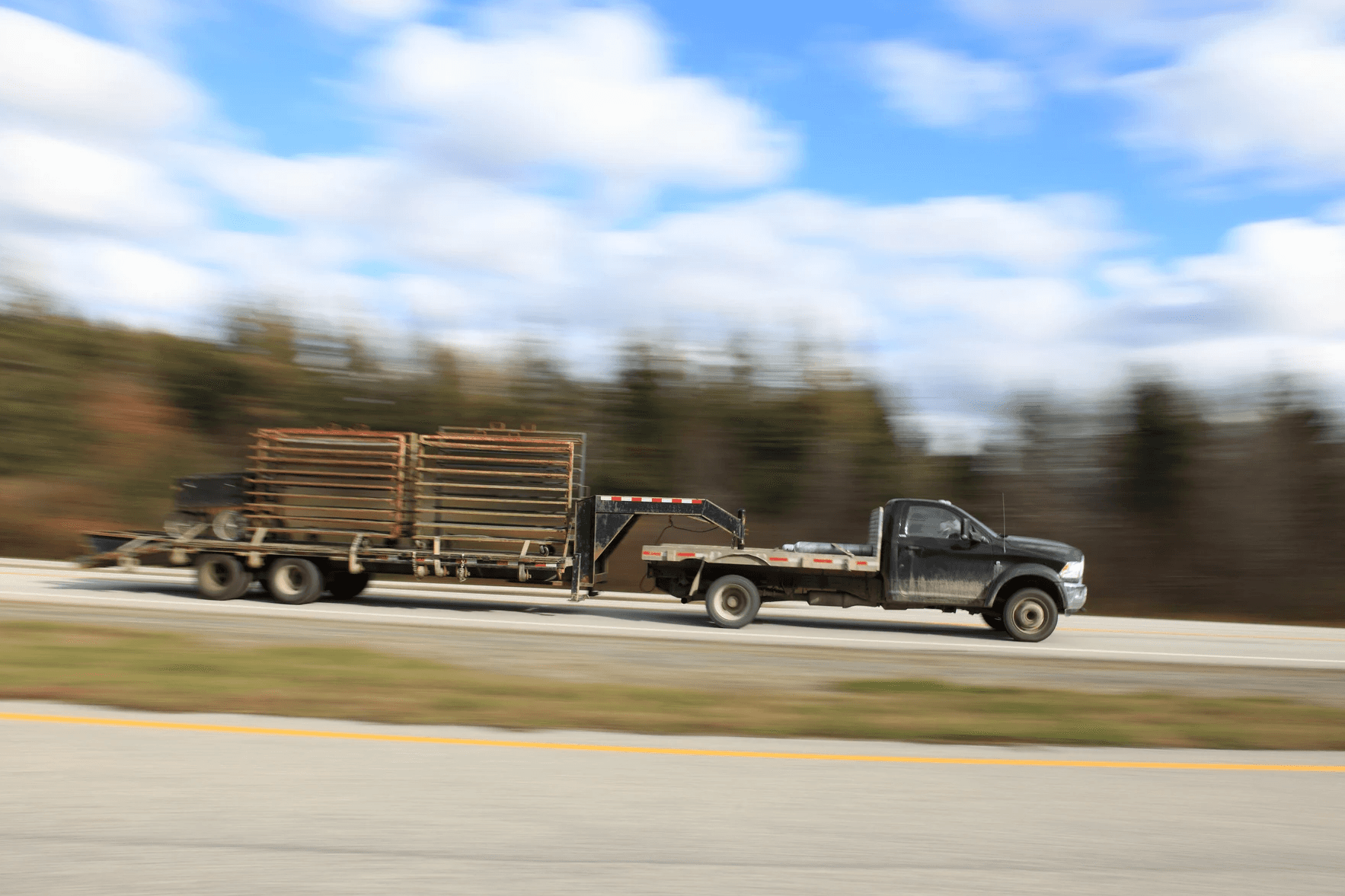
Hotshot trucking supports time-sensitive freight movements that do not require a full tractor-trailer but still involve regulated commercial motor vehicle operations. These services are most commonly performed using heavy-duty pickup trucks configured to tow flatbed or gooseneck trailers, enabling expedited deliveries of construction materials, equipment, machinery, and other specialized loads.
While hotshot operations typically involve smaller equipment profiles than traditional long-haul trucking, they often operate under compressed timelines, variable routes, and changing load configurations. As a result, hotshot carriers remain exposed to meaningful liability risk despite the absence of a full tractor-trailer setup.
Understanding how liability insurance applies to hotshot operations is central to evaluating hotshot truck insurance costs, coverage structure, and regulatory compliance requirements under federal and state rules.
Defining Hotshot Trucking Operations
Hotshot trucking typically involves heavy-duty pickup trucks pulling flatbed or gooseneck trailers for expedited delivery. These operations fall under insurance and regulatory classifications distinct from straight-truck expedited carriers. Hotshot trucking often covers regional distances or supports last-mile and short-notice freight needs.
Common characteristics include:
Short-notice dispatches,
Irregular or variable routes,
Mixed urban and rural driving conditions,
Frequent changes in trailer or load configuration.
Although cargo volumes may be smaller than those hauled by tractor-trailers, hotshot carriers often operate under compressed timelines. This combination of urgency and operational flexibility may increase exposure to roadway incidents, loading-related claims, and third-party liability.
Importantly, liability exposure is driven by how a vehicle is operated and the conditions under which freight is moved, not solely by the size of the truck. Pickup-based operations may still present significant liability risk when trailers, load weight, operating environment, and delivery timelines are considered.
While expedited freight may be moved using other vehicle types under separate insurance classifications, hotshot trucking is most commonly associated with pickup-based towing operations for liability and underwriting purposes.
Why Liability Coverage Matters for Hotshot Carriers
Under the Federal Motor Carrier Safety Administration (FMCSA), for-hire motor carriers operating interstate are required to maintain minimum levels of financial responsibility for public liability. For most property-carrying motor carriers, including many hotshot operations, FMCSA requires proof of liability coverage through filings such as the MCS-90 endorsement.
Liability insurance is designed to address bodily injury and property damage arising from accidents involving commercial motor vehicles. While additional coverages, such as physical damage or cargo insurance, may support broader risk management objectives, commercial auto liability coverage remains the foundation of insurance requirements and regulatory compliance.
Failure to maintain required liability coverage may result in enforcement action, suspension of operating authority, or exposure to uninsured claims following an accident.
Common Liability Scenarios in Hotshot Trucking Operations
Hotshot trucking operations often involve liability scenarios that differ from traditional long-haul trucking due to equipment configuration, loading practices, and delivery environments.
Common liability exposures may include:
Load securement failures involving flatbed or gooseneck trailers, particularly when hauling irregular or shifting cargo,
Trailer coupling or detachment incidents, including issues related to hitch connections, safety chains, or braking systems,
Weight distribution and braking imbalance, which may affect stopping distance and vehicle control,
Third-party property damage during loading, unloading, or short-term roadside stops,
Urban delivery exposure, where tight spaces, pedestrians, and frequent maneuvering increase the risk of low-speed but costly claims.
These scenarios often contribute to liability claims even when overall mileage or vehicle size appears limited.
Operational Factors That Influence Insurance Cost
When evaluating hotshot trucking insurance requirements and cost, insurers typically assess operational risk factors rather than vehicle size alone.
Vehicle and Trailer Configuration
Pickup trucks hauling flatbed or gooseneck trailers may operate near combined weight thresholds that trigger additional regulatory obligations. Changes in trailer size, configuration, or braking systems may influence stopping distance, vehicle stability, and accident severity.
Route Diversity
Hotshot carriers often operate across both local and interstate routes or cross multiple jurisdictions. Multi-state operations may increase regulatory complexity, which can influence insurance premium assessment due to differences in traffic density, roadway design, and enforcement practices.
Driving and Claims History
Prior accident history, inspection outcomes, and driver qualification records are commonly reviewed when assessing trucking insurance risk. Past claims or violations may indicate elevated exposure and directly affect hotshot truck insurance cost.
Mileage and Utilization
Higher mileage generally corresponds to greater exposure to roadway risk. Repeated short-haul trips may also increase accident frequency over time, even when individual trips appear low risk.
Adjusting Coverage as Operations Change
Hotshot operations often evolve as contracts, equipment, and service areas expand.
Changes that may affect liability exposure include:
Adding vehicles or drivers,
Expanding operating radius or crossing additional state lines,
Hauling heavier or specialized cargo,
Modifying trailer types or configurations.
Insurance policies and regulatory filings are typically structured around disclosed operational details. Undisclosed changes may result in coverage gaps or post-loss disputes. Accurate and timely updates help maintain alignment between actual operations and insured risk. For additional context, see our article on FMCSA Driver Qualification Standards and Insurance Outcomes.
Safety Practices That Support Liability Management
While insurance provides financial protection, operational safety practices play a key role in limiting liability severity and claim frequency.
Industry data and enforcement reviews consistently highlight several areas of focus:
Documented pre-trip and post-trip inspections, particularly for tires, brakes, and trailer connections;
Hours-of-service compliance, especially during consecutive short-haul or regional runs;
Consistent vehicle maintenance records, which may be reviewed following serious accidents;
Complete driver qualification files, including medical certification and license status.
FMCSA compliance reviews frequently evaluate whether safety management controls are documented and consistently applied, not only whether coverage exists.
Aligning Safety Practices With Insurance Coverage
These safety controls also serve an important role in maintaining alignment between hotshot operations and liability insurance coverage. Trailer configurations, cargo types, and operating radius should be communicated to the insurer as operations change. Complete driver qualification files and inspection records support both compliance reviews and post-accident evaluations. Insurance filings and coverage terms should also be reviewed when expanding routes, adding equipment, or adjusting service offerings to ensure coverage continues to reflect actual operating exposure.
Conclusion
Hotshot trucking involves unique operational patterns that may elevate liability exposure despite smaller equipment profiles. Federal liability requirements depend on how and where freight is transported, not solely on vehicle size. Understanding how operational choices affect liability risk supports regulatory compliance, claims outcomes, and long-term business stability.
Maintaining appropriate hotshot truck insurance, aligning with operational realities, and supporting safety management controls remain central elements of risk management for hotshot carriers.
Hotshot trucking supports time-sensitive freight movements that do not require a full tractor-trailer but still involve regulated commercial motor vehicle operations. These services are most commonly performed using heavy-duty pickup trucks configured to tow flatbed or gooseneck trailers, enabling expedited deliveries of construction materials, equipment, machinery, and other specialized loads.
While hotshot operations typically involve smaller equipment profiles than traditional long-haul trucking, they often operate under compressed timelines, variable routes, and changing load configurations. As a result, hotshot carriers remain exposed to meaningful liability risk despite the absence of a full tractor-trailer setup.
Understanding how liability insurance applies to hotshot operations is central to evaluating hotshot truck insurance costs, coverage structure, and regulatory compliance requirements under federal and state rules.
Defining Hotshot Trucking Operations
Hotshot trucking typically involves heavy-duty pickup trucks pulling flatbed or gooseneck trailers for expedited delivery. These operations fall under insurance and regulatory classifications distinct from straight-truck expedited carriers. Hotshot trucking often covers regional distances or supports last-mile and short-notice freight needs.
Common characteristics include:
Short-notice dispatches,
Irregular or variable routes,
Mixed urban and rural driving conditions,
Frequent changes in trailer or load configuration.
Although cargo volumes may be smaller than those hauled by tractor-trailers, hotshot carriers often operate under compressed timelines. This combination of urgency and operational flexibility may increase exposure to roadway incidents, loading-related claims, and third-party liability.
Importantly, liability exposure is driven by how a vehicle is operated and the conditions under which freight is moved, not solely by the size of the truck. Pickup-based operations may still present significant liability risk when trailers, load weight, operating environment, and delivery timelines are considered.
While expedited freight may be moved using other vehicle types under separate insurance classifications, hotshot trucking is most commonly associated with pickup-based towing operations for liability and underwriting purposes.
Why Liability Coverage Matters for Hotshot Carriers
Under the Federal Motor Carrier Safety Administration (FMCSA), for-hire motor carriers operating interstate are required to maintain minimum levels of financial responsibility for public liability. For most property-carrying motor carriers, including many hotshot operations, FMCSA requires proof of liability coverage through filings such as the MCS-90 endorsement.
Liability insurance is designed to address bodily injury and property damage arising from accidents involving commercial motor vehicles. While additional coverages, such as physical damage or cargo insurance, may support broader risk management objectives, commercial auto liability coverage remains the foundation of insurance requirements and regulatory compliance.
Failure to maintain required liability coverage may result in enforcement action, suspension of operating authority, or exposure to uninsured claims following an accident.
Common Liability Scenarios in Hotshot Trucking Operations
Hotshot trucking operations often involve liability scenarios that differ from traditional long-haul trucking due to equipment configuration, loading practices, and delivery environments.
Common liability exposures may include:
Load securement failures involving flatbed or gooseneck trailers, particularly when hauling irregular or shifting cargo,
Trailer coupling or detachment incidents, including issues related to hitch connections, safety chains, or braking systems,
Weight distribution and braking imbalance, which may affect stopping distance and vehicle control,
Third-party property damage during loading, unloading, or short-term roadside stops,
Urban delivery exposure, where tight spaces, pedestrians, and frequent maneuvering increase the risk of low-speed but costly claims.
These scenarios often contribute to liability claims even when overall mileage or vehicle size appears limited.
Operational Factors That Influence Insurance Cost
When evaluating hotshot trucking insurance requirements and cost, insurers typically assess operational risk factors rather than vehicle size alone.
Vehicle and Trailer Configuration
Pickup trucks hauling flatbed or gooseneck trailers may operate near combined weight thresholds that trigger additional regulatory obligations. Changes in trailer size, configuration, or braking systems may influence stopping distance, vehicle stability, and accident severity.
Route Diversity
Hotshot carriers often operate across both local and interstate routes or cross multiple jurisdictions. Multi-state operations may increase regulatory complexity, which can influence insurance premium assessment due to differences in traffic density, roadway design, and enforcement practices.
Driving and Claims History
Prior accident history, inspection outcomes, and driver qualification records are commonly reviewed when assessing trucking insurance risk. Past claims or violations may indicate elevated exposure and directly affect hotshot truck insurance cost.
Mileage and Utilization
Higher mileage generally corresponds to greater exposure to roadway risk. Repeated short-haul trips may also increase accident frequency over time, even when individual trips appear low risk.
Adjusting Coverage as Operations Change
Hotshot operations often evolve as contracts, equipment, and service areas expand.
Changes that may affect liability exposure include:
Adding vehicles or drivers,
Expanding operating radius or crossing additional state lines,
Hauling heavier or specialized cargo,
Modifying trailer types or configurations.
Insurance policies and regulatory filings are typically structured around disclosed operational details. Undisclosed changes may result in coverage gaps or post-loss disputes. Accurate and timely updates help maintain alignment between actual operations and insured risk. For additional context, see our article on FMCSA Driver Qualification Standards and Insurance Outcomes.
Safety Practices That Support Liability Management
While insurance provides financial protection, operational safety practices play a key role in limiting liability severity and claim frequency.
Industry data and enforcement reviews consistently highlight several areas of focus:
Documented pre-trip and post-trip inspections, particularly for tires, brakes, and trailer connections;
Hours-of-service compliance, especially during consecutive short-haul or regional runs;
Consistent vehicle maintenance records, which may be reviewed following serious accidents;
Complete driver qualification files, including medical certification and license status.
FMCSA compliance reviews frequently evaluate whether safety management controls are documented and consistently applied, not only whether coverage exists.
Aligning Safety Practices With Insurance Coverage
These safety controls also serve an important role in maintaining alignment between hotshot operations and liability insurance coverage. Trailer configurations, cargo types, and operating radius should be communicated to the insurer as operations change. Complete driver qualification files and inspection records support both compliance reviews and post-accident evaluations. Insurance filings and coverage terms should also be reviewed when expanding routes, adding equipment, or adjusting service offerings to ensure coverage continues to reflect actual operating exposure.
Conclusion
Hotshot trucking involves unique operational patterns that may elevate liability exposure despite smaller equipment profiles. Federal liability requirements depend on how and where freight is transported, not solely on vehicle size. Understanding how operational choices affect liability risk supports regulatory compliance, claims outcomes, and long-term business stability.
Maintaining appropriate hotshot truck insurance, aligning with operational realities, and supporting safety management controls remain central elements of risk management for hotshot carriers.
Contents
Stay up-to-date
Related Post

Become a STAR Agent
Become a STAR Agent
Get access to unparalleled technology-based service to quote and bind your clients in minutes.
Get appointed
Thousands of agents across the United States | Same-day quotes, ready to bind

STAR Mutual Risk Retention Group offers commercial auto liability insurance to the members of Reliable Transportation Association (“RTA”), looking for accessible and reliable coverage.
Contact
855-5MY-STAR (855-569-7827)
STAR Mutual RRG
PO Box 51414, Philadelphia
PA 19115
General inquiries:
Agent inquiries:
Claim inquiries:
The information presented on this website is for general informational purposes only and does not constitute legal, regulatory, or business advice. Readers are encouraged to consult with qualified legal or insurance professionals regarding questions specific to their circumstances.
The content is provided for general informational purposes only and does not constitute an offer to sell, or a solicitation of an offer to buy, insurance in any jurisdiction where STAR Mutual RRG is not licensed or registered. Any description of coverage is general and subject to the terms, conditions, and exclusions of the actual policy.
STAR Mutual Risk Retention Group offers commercial auto liability insurance to the members of Reliable Transportation Association (“RTA”), looking for accessible and reliable coverage.
Contact
855-5MY-STAR (855-569-7827)
STAR Mutual RRG
PO Box 51414, Philadelphia
PA 19115
General inquiries:
Agent inquiries:
Claim inquiries:
The information presented on this website is for general informational purposes only and does not constitute legal, regulatory, or business advice. Readers are encouraged to consult with qualified legal or insurance professionals regarding questions specific to their circumstances.
The content is provided for general informational purposes only and does not constitute an offer to sell, or a solicitation of an offer to buy, insurance in any jurisdiction where STAR Mutual RRG is not licensed or registered. Any description of coverage is general and subject to the terms, conditions, and exclusions of the actual policy.
STAR Mutual Risk Retention Group offers commercial auto liability insurance to the members of Reliable Transportation Association (“RTA”), looking for accessible and reliable coverage.
Contact
855-5MY-STAR (855-569-7827)
STAR Mutual RRG
PO Box 51414, Philadelphia
PA 19115
General inquiries:
Agent inquiries:
Claim inquiries:
The information presented on this website is for general informational purposes only and does not constitute legal, regulatory, or business advice. Readers are encouraged to consult with qualified legal or insurance professionals regarding questions specific to their circumstances.
The content is provided for general informational purposes only and does not constitute an offer to sell, or a solicitation of an offer to buy, insurance in any jurisdiction where STAR Mutual RRG is not licensed or registered. Any description of coverage is general and subject to the terms, conditions, and exclusions of the actual policy.
© 2026 - STAR Mutual RRG. All rights reserved.