Understanding FMCSA Regulations for Trucking Companies
FMCSA regulations set the safety standards for U.S. trucking. This overview explains key requirements, compliance risks, and how strong safety practices support more stable operations.

The Federal Motor Carrier Safety Administration (FMCSA) establishes the national safety standards that guide commercial trucking across the United States. Whether a fleet is small or large, staying aligned with FMCSA regulations helps create safer operations, more consistent performance, and steadier long-term outcomes. This overview highlights key regulatory requirements, consequences of non-compliance, and practical steps for maintaining a strong safety program.
What Are FMCSA Regulations?
FMCSA regulations, codified in Title 49 CFR Parts 300–399, create uniform rules for commercial drivers, vehicles, and carrier operations. These requirements govern Hours of Service, medical certification, drug and alcohol testing, vehicle maintenance, and minimum financial responsibility for carriers operating commercial motor vehicles under FMCSA jurisdiction. Together, these standards create the foundation for safe operations and play a significant role in shaping a carrier’s regulatory and insurance profile.
Key Areas of FMCSA Oversight
Driver Qualification & Safety
FMCSA standards define the required credentials and documentation for drivers. Key areas include:
Drug & Alcohol Testing (Part 382): Requires a structured testing program with detailed recordkeeping.
Commercial Driver’s License (Part 383): Establishes CDL requirements and endorsements for specialized freight. These standards, often referenced as FMCSA CDL regulations, define the skills, testing, and disqualification criteria essential for safe commercial operation.
Driver Qualification Files (Part 391): Include a valid CDL, Medical Examiner’s Certificate, driving history, and employment verification. Incomplete DQ files remain among the most common audit findings.
Hours of Service (HOS)
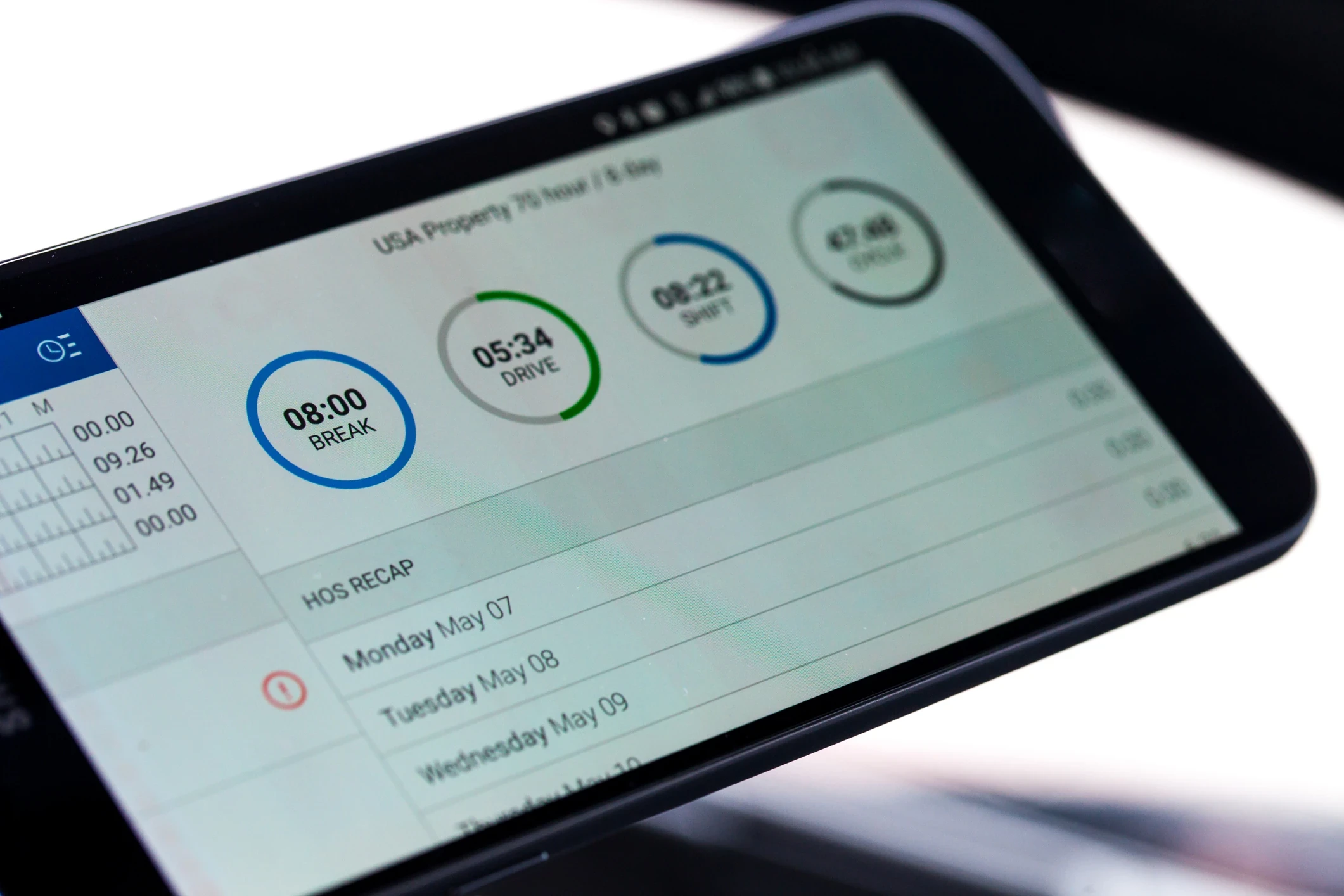
FMCSA regulations for truck drivers limit consecutive driving hours to help reduce fatigue-related incidents. Electronic Logging Devices (ELDs) provide verifiable compliance data. HOS requirements include:
11-hour driving limit
14-hour on-duty window
30-minute break after 8 hours of driving
60/70-hour weekly limits
FMCSA periodically updates HOS rules, and staying aware of these changes helps carriers stay aligned with requirements and avoid unexpected compliance gaps.
Vehicle Inspection, Repair & Maintenance
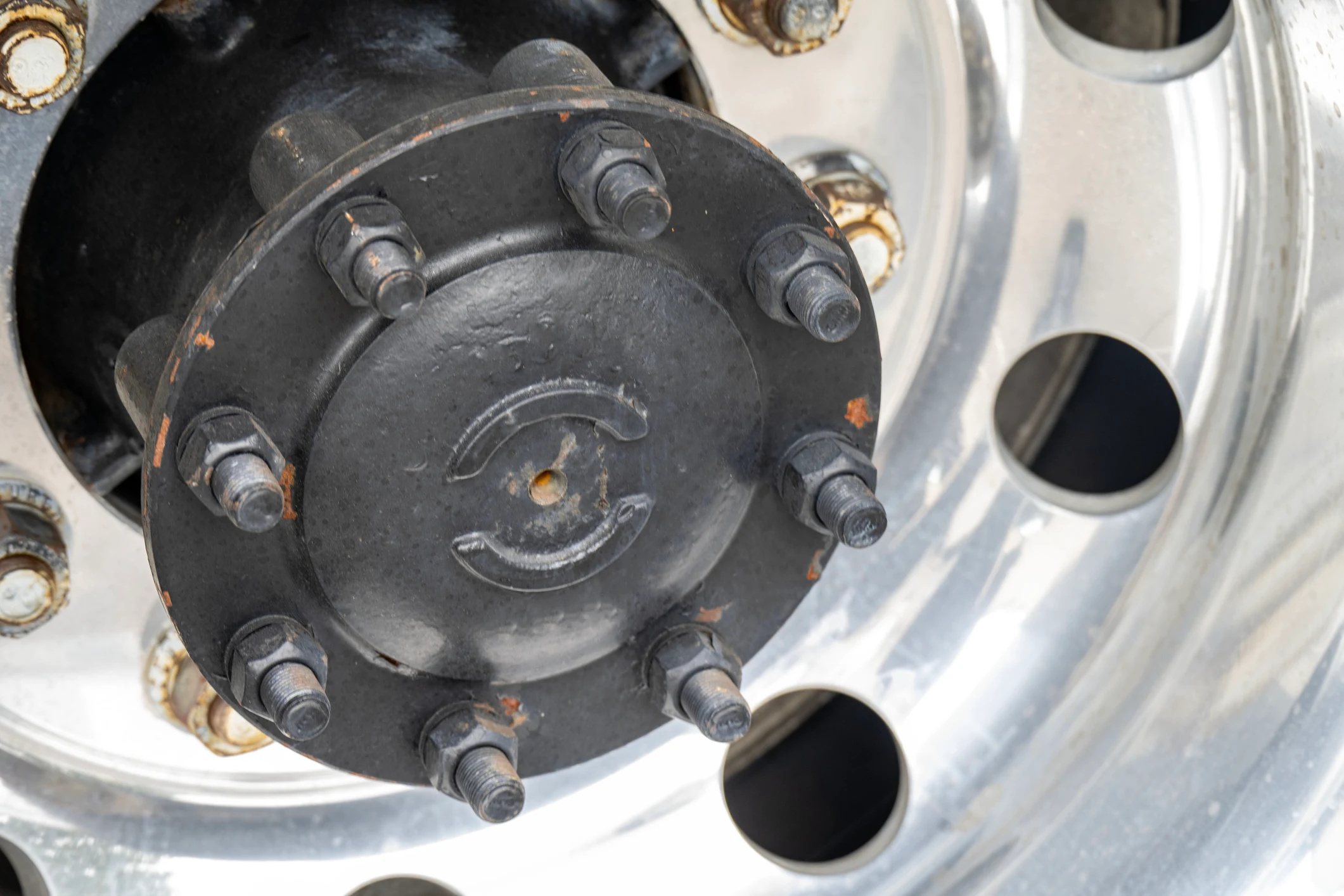
Carriers must document inspections, repairs, and preventive maintenance. Required focus areas include brakes, tires, lights, and load securement. Inconsistent maintenance may lead to out-of-service orders and may affect how a carrier’s operational risk is viewed. Together, these requirements form the core of FMCSA safety regulations, creating consistent national standards that reinforce safer operations.
Minimum Financial Responsibility
Federal law requires most for-hire carriers transporting property to maintain a minimum of $750,000 in public liability coverage, with higher limits for certain hazardous materials. Industry and shipper requirements often set higher practical minimums, commonly $1 million.
Consequences of Non-Compliance
Non-compliance affects both day-to-day operations and long-term business stability. Common consequences include:
Financial penalties
Negative CSA scores
Driver or vehicle out-of-service orders
Increased audit frequency
Loss of operating authority in severe cases
Higher insurance premiums or restricted terms
Patterns of non-compliance signal elevated risk to regulators, shippers, and insurers.
How FMCSA Compliance Influences Auto Liability Coverage
FMCSA compliance strengthens a carrier’s overall risk profile. Accurate HOS reporting, complete DQ files, and thorough maintenance records help demonstrate responsible and lower-risk operations. Strong compliance histories may contribute to more favorable Auto Liability outcomes for owner-operators and fleets, as they demonstrate lower operational risk. However, insurers consider multiple factors when evaluating overall risk.
Building a Proactive Compliance Program: Practical Steps
Regular Internal Audits: Routine checks of DQ files, maintenance records, and HOS logs help identify issues early and keep operations aligned with FMCSA expectations.
Continuous Training: Ongoing education reinforces FMCSA requirements and supports safer driving behaviors, contributing to a stronger safety profile. Additional guidance on safe driving practices is available in the article Mastering Defensive Driving Techniques for Truckers.
Leveraging Technology: Telematics, ELDs, and maintenance software strengthen accountability and provide verifiable compliance data. Additional insights into technology’s role in safety are available in the article The Role of Technology in Modernizing Trucking Operations.
A Safety-First Culture: A structured safety culture supports consistent decision-making and more predictable operational outcomes.
Insurance Benefits of Strong Compliance
Carriers aligned with FMCSA rules and regulations typically demonstrate fewer violations and incidents. This supports more favorable auto liability terms, smoother policy renewals, improved eligibility for preferred insurance programs, and stronger positioning with shippers and brokers evaluating safety performance.
Conclusion
FMCSA regulations form the backbone of safe operations across the trucking industry. Staying compliant doesn’t just prevent disruptions—it strengthens a fleet’s performance, improves predictability, and reinforces long-term business stability. As rules evolve, carriers who maintain strong documentation and proactive oversight remain better prepared for both regulatory and operational challenges.
STAR Mutual RRG is committed to supporting carriers who invest in safer, stronger operations. With every compliant mile, motor carriers strengthen their business—and we’re here to help protect that progress.
The Federal Motor Carrier Safety Administration (FMCSA) establishes the national safety standards that guide commercial trucking across the United States. Whether a fleet is small or large, staying aligned with FMCSA regulations helps create safer operations, more consistent performance, and steadier long-term outcomes. This overview highlights key regulatory requirements, consequences of non-compliance, and practical steps for maintaining a strong safety program.
What Are FMCSA Regulations?
FMCSA regulations, codified in Title 49 CFR Parts 300–399, create uniform rules for commercial drivers, vehicles, and carrier operations. These requirements govern Hours of Service, medical certification, drug and alcohol testing, vehicle maintenance, and minimum financial responsibility for carriers operating commercial motor vehicles under FMCSA jurisdiction. Together, these standards create the foundation for safe operations and play a significant role in shaping a carrier’s regulatory and insurance profile.
Key Areas of FMCSA Oversight
Driver Qualification & Safety
FMCSA standards define the required credentials and documentation for drivers. Key areas include:
Drug & Alcohol Testing (Part 382): Requires a structured testing program with detailed recordkeeping.
Commercial Driver’s License (Part 383): Establishes CDL requirements and endorsements for specialized freight. These standards, often referenced as FMCSA CDL regulations, define the skills, testing, and disqualification criteria essential for safe commercial operation.
Driver Qualification Files (Part 391): Include a valid CDL, Medical Examiner’s Certificate, driving history, and employment verification. Incomplete DQ files remain among the most common audit findings.
Hours of Service (HOS)
FMCSA regulations for truck drivers limit consecutive driving hours to help reduce fatigue-related incidents. Electronic Logging Devices (ELDs) provide verifiable compliance data. HOS requirements include:
11-hour driving limit
14-hour on-duty window
30-minute break after 8 hours of driving
60/70-hour weekly limits
FMCSA periodically updates HOS rules, and staying aware of these changes helps carriers stay aligned with requirements and avoid unexpected compliance gaps.
Vehicle Inspection, Repair & Maintenance
Carriers must document inspections, repairs, and preventive maintenance. Required focus areas include brakes, tires, lights, and load securement. Inconsistent maintenance may lead to out-of-service orders and may affect how a carrier’s operational risk is viewed. Together, these requirements form the core of FMCSA safety regulations, creating consistent national standards that reinforce safer operations.
Minimum Financial Responsibility
Federal law requires most for-hire carriers transporting property to maintain a minimum of $750,000 in public liability coverage, with higher limits for certain hazardous materials. Industry and shipper requirements often set higher practical minimums, commonly $1 million.
Consequences of Non-Compliance
Non-compliance affects both day-to-day operations and long-term business stability. Common consequences include:
Financial penalties
Negative CSA scores
Driver or vehicle out-of-service orders
Increased audit frequency
Loss of operating authority in severe cases
Higher insurance premiums or restricted terms
Patterns of non-compliance signal elevated risk to regulators, shippers, and insurers.
How FMCSA Compliance Influences Auto Liability Coverage
FMCSA compliance strengthens a carrier’s overall risk profile. Accurate HOS reporting, complete DQ files, and thorough maintenance records help demonstrate responsible and lower-risk operations. Strong compliance histories may contribute to more favorable Auto Liability outcomes for owner-operators and fleets, as they demonstrate lower operational risk. However, insurers consider multiple factors when evaluating overall risk.
Building a Proactive Compliance Program: Practical Steps
Regular Internal Audits: Routine checks of DQ files, maintenance records, and HOS logs help identify issues early and keep operations aligned with FMCSA expectations.
Continuous Training: Ongoing education reinforces FMCSA requirements and supports safer driving behaviors, contributing to a stronger safety profile. Additional guidance on safe driving practices is available in the article Mastering Defensive Driving Techniques for Truckers.
Leveraging Technology: Telematics, ELDs, and maintenance software strengthen accountability and provide verifiable compliance data. Additional insights into technology’s role in safety are available in the article The Role of Technology in Modernizing Trucking Operations.
A Safety-First Culture: A structured safety culture supports consistent decision-making and more predictable operational outcomes.
Insurance Benefits of Strong Compliance
Carriers aligned with FMCSA rules and regulations typically demonstrate fewer violations and incidents. This supports more favorable auto liability terms, smoother policy renewals, improved eligibility for preferred insurance programs, and stronger positioning with shippers and brokers evaluating safety performance.
Conclusion
FMCSA regulations form the backbone of safe operations across the trucking industry. Staying compliant doesn’t just prevent disruptions—it strengthens a fleet’s performance, improves predictability, and reinforces long-term business stability. As rules evolve, carriers who maintain strong documentation and proactive oversight remain better prepared for both regulatory and operational challenges.
STAR Mutual RRG is committed to supporting carriers who invest in safer, stronger operations. With every compliant mile, motor carriers strengthen their business—and we’re here to help protect that progress.
Contents
Stay up-to-date
Related Post
Aug 24, 2026

Become a STAR Agent
Become a STAR Agent
Get access to unparalleled technology-based service to quote and bind your clients in minutes.
Get appointed
Thousands of agents across the United States | Same-day quotes, ready to bind
STAR Mutual Risk Retention Group offers commercial auto liability insurance to the members of Reliable Transportation Association (“RTA”), looking for accessible and reliable coverage.
Contact
855-5MY-STAR (855-569-7827)
STAR Mutual RRG
PO Box 51414, Philadelphia
PA 19115
General inquiries:
Agent inquiries:
Claim inquiries:
The information presented on this website is for general informational purposes only and does not constitute legal, regulatory, or business advice. Readers are encouraged to consult with qualified legal or insurance professionals regarding questions specific to their circumstances.
The content is provided for general informational purposes only and does not constitute an offer to sell, or a solicitation of an offer to buy, insurance in any jurisdiction where STAR Mutual RRG is not licensed or registered. Any description of coverage is general and subject to the terms, conditions, and exclusions of the actual policy.
STAR Mutual Risk Retention Group offers commercial auto liability insurance to the members of Reliable Transportation Association (“RTA”), looking for accessible and reliable coverage.
Contact
855-5MY-STAR (855-569-7827)
STAR Mutual RRG
PO Box 51414, Philadelphia
PA 19115
General inquiries:
Agent inquiries:
Claim inquiries:
The information presented on this website is for general informational purposes only and does not constitute legal, regulatory, or business advice. Readers are encouraged to consult with qualified legal or insurance professionals regarding questions specific to their circumstances.
The content is provided for general informational purposes only and does not constitute an offer to sell, or a solicitation of an offer to buy, insurance in any jurisdiction where STAR Mutual RRG is not licensed or registered. Any description of coverage is general and subject to the terms, conditions, and exclusions of the actual policy.
STAR Mutual Risk Retention Group offers commercial auto liability insurance to the members of Reliable Transportation Association (“RTA”), looking for accessible and reliable coverage.
Contact
855-5MY-STAR (855-569-7827)
STAR Mutual RRG
PO Box 51414, Philadelphia
PA 19115
General inquiries:
Agent inquiries:
Claim inquiries:
The information presented on this website is for general informational purposes only and does not constitute legal, regulatory, or business advice. Readers are encouraged to consult with qualified legal or insurance professionals regarding questions specific to their circumstances.
The content is provided for general informational purposes only and does not constitute an offer to sell, or a solicitation of an offer to buy, insurance in any jurisdiction where STAR Mutual RRG is not licensed or registered. Any description of coverage is general and subject to the terms, conditions, and exclusions of the actual policy.
© 2026 - STAR Mutual RRG. All rights reserved.