Trucking Safety in Winter Weather: Risks, Compliance, and Operations
Snow, ice, and freezing rain introduce more than driving hazards. Learn how winter weather shapes trucking safety, operational judgment, regulatory expectations, and claims review.
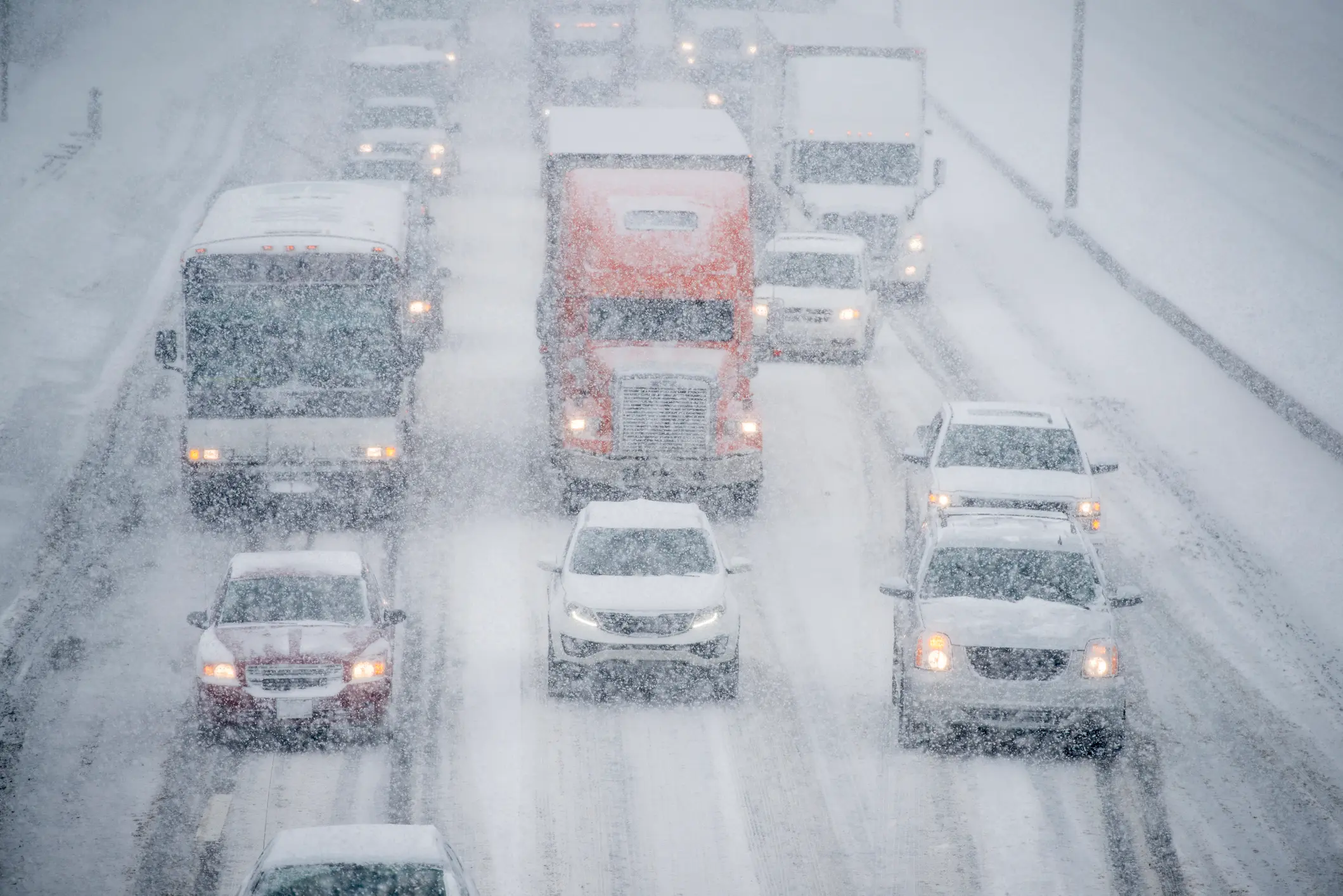
Severe winter weather remains an ongoing challenge for trucking companies across the United States. Snow, ice, freezing rain, and extreme cold affect road conditions, vehicle performance, and overall transportation safety. For commercial trucking operations, winter conditions involve not only physical driving hazards but also compliance, liability, and claims considerations.
This article provides an overview of winter safety considerations, regulatory expectations, and practical operational factors when road conditions and visibility may compound operational risk.
Common Winter Road Hazards
Black Ice and Low-Visibility Ice Conditions
Black ice is a thin, transparent layer of ice that forms when pavement freezes without visible snow accumulation. Because it closely resembles wet pavement, black ice may not be identifiable until traction is suddenly reduced. It’s most frequently reported on bridges, overpasses, shaded roadways, and during overnight or early morning temperature drops.
Bridge decks and elevated roadways may freeze before surrounding pavement due to temperature differentials, increasing the likelihood of sudden traction loss.
Snow, Slush, and Compacted Ice
Snow-covered roads reduce tire grip and alter steering response. As traffic continues, snow may become compacted into hard-packed ice, creating a surface that behaves more like glare ice than fresh snow.
Freezing Rain
Freezing rain is widely recognized as one of the most hazardous winter conditions. Unlike snowstorms, it may coat roadways with ice while maintaining relatively clear visibility. Ice-related crashes often involve sudden loss of control rather than visibility limitations, contributing to higher severity outcomes for heavy vehicles.
Wind-Driven Snow
High winds combined with falling or loose snow may lead to whiteout conditions, where lane boundaries, stopped vehicles, and roadway hazards become difficult to distinguish. Snowdrifts may narrow lanes or block shoulders, reducing available safe stopping options.
How Severe Winter Weather Affects Trucking Operations and Safety
Weather-related roadway incidents account for a meaningful portion of traffic crashes nationwide. Federal Highway Administration analyses identify snow, ice, and freezing rain as common contributors to winter-related road incidents. For commercial motor vehicles, winter exposure may be amplified by several operational realities:
Extended stopping distances associated with vehicle weight.
Severe winter conditions substantially increase stopping distances for commercial vehicles. Reduced friction, combined with vehicle mass and momentum, affects braking performance and overall vehicle control.
Long hours of operation during periods of limited visibility.
Limited visibility may reduce a driver’s ability to detect changing traffic conditions, roadway hazards, or stalled vehicles in advance. When combined with fatigue during long-haul operations, reduced visibility may further affect reaction time and situational awareness, particularly during overnight or early morning operations.
Route variability across regions experiencing different weather patterns.
A route that begins under clear conditions may later encounter snow, freezing rain, or rapidly changing temperatures. Such transitions may complicate trip planning, timing expectations, and risk assessment during winter operations.
Additional Winter Risk Factors Often Overlooked
Beyond roadway conditions, winter weather may introduce operational risks related to vehicle systems and traffic dynamics. Extreme cold can affect air brake systems, batteries, fuel performance, and electrical components, increasing the likelihood of breakdowns or disabled vehicles.
Winter conditions may also reduce the effectiveness of onboard safety technologies if sensors, cameras, or warning systems become obstructed by snow, ice, or road debris. In low-visibility environments, disabled vehicles and unexpected traffic slowdowns can increase the risk of secondary collisions, particularly for heavy commercial vehicles.
These factors are often considered during post-incident inspections and claims evaluations, especially when weather conditions were known or forecasted in advance.
Regulatory Expectations, Safety, and Compliance
FMCSA Requirements
The Federal Motor Carrier Safety Administration requires drivers to exercise “extreme caution” when operating in hazardous conditions such as snow, ice, sleet, or freezing rain (49 CFR §392.14). The regulation also requires operations to be discontinued when conditions become sufficiently dangerous, based on the driver’s assessment of road and weather conditions.
Following winter-related incidents, enforcement and compliance reviews may examine:
Weather advisories and warnings in effect at the time,
Road and surface conditions along the route,
Decisions related to continued operation during severe weather.
These reviews often focus on whether conditions were foreseeable and how operational decisions aligned with regulatory expectations.
Claims and Liability Considerations
Winter weather incidents frequently involve multiple vehicles and chain-reaction collisions. Insurers and defense counsel commonly review weather forecasts, route conditions, and operational context when evaluating winter-related claims. In some cases, winter incidents may receive additional post-event scrutiny when hazardous weather conditions were widespread or documented in advance.
Operational Awareness and Risk Management
While winter weather cannot be controlled, operational awareness plays a central role in managing exposure. Industry analyses and loss-prevention reviews often reference:
Monitoring official weather forecasts and road advisories,
Seasonal adjustments to transit planning and scheduling expectations,
Vehicle inspections focused on winter operating readiness,
Awareness of state-specific winter restrictions, including chain requirements or temporary road closures,
Accurate documentation following weather-related delays or incidents.
These considerations frequently surface during claims handling and post-incident evaluations.
Winter Driving Safety Guide for Truck Drivers in Severe Weather
Industry guidance and loss-prevention analyses frequently reference winter preparedness as a contributing factor in safety outcomes. Common considerations include vehicle readiness, availability of emergency equipment, and situational awareness during changing weather conditions.
Vehicle Readiness and Tires
Tires play a critical role in winter traction and vehicle control. Industry sources commonly reference the use of winter-rated tires in regions with frequent snow or ice, monitoring tire pressure due to cold-weather deflation, and the availability of tire chains in mountainous or chain-control regions.
Emergency Equipment
Winter conditions increase the likelihood of extended delays or roadside stops. Commercial vehicles are often equipped with emergency supplies intended to support visibility, communication, warmth, and basic first aid. These items are frequently cited in winter readiness and safety planning.
Weather and Road Condition Awareness
Access to timely information plays a significant role in winter operations. Weather alerts, state road condition updates, and real-time traffic reports are commonly referenced during winter events. Peer-to-peer communication tools, including CB radio traffic, may also provide situational awareness in rapidly changing conditions.
Winter Driving Experience
Winter driving involves vehicle dynamics that differ from dry or wet conditions. Industry training materials often reference familiarity with braking response, steering control, and traction changes on snow or ice. Such considerations are sometimes addressed through winter driving programs or controlled training environments.
Winter Severe Weather Safety Checklist for Trucking Operations
Use this quick-reference checklist to support winter preparedness, compliance awareness, and consistent risk management during severe weather conditions.
Pre-Trip & Planning
✔ Weather forecasts and advisories are reviewed before dispatch and during route planning.
✔ Routes are evaluated for regional winter conditions, closures, and chain-control requirements.
✔ Transit schedules allow flexibility for weather-related delays.
✔ Drivers are informed of expected weather conditions along the route.
Vehicle Readiness
✔ Tires are appropriate for winter conditions and inspected for tread depth and inflation.
✔ Air brake systems are checked for moisture and proper operation in cold temperatures.
✔ Batteries, electrical systems, and engine components are inspected for cold-weather reliability.
✔ Fuel type and additives are appropriate for anticipated temperatures.
✔ Required emergency equipment is onboard and accessible.
During Operations
✔ Drivers exercise heightened caution during snow, ice, freezing rain, and reduced visibility.
✔ Speed, following distance, and braking are adjusted for road conditions.
✔ Operations are paused or discontinued when conditions become sufficiently dangerous based on driver assessment.
✔ Dispatch and drivers maintain communication regarding changing conditions.
Documentation & Post-Event Review
✔ Weather conditions and delays are documented when they affect operations.
✔ Any incidents or near-misses are recorded in accordance with company policy.
✔ Supporting records (photos, video, telematics, inspection notes) are preserved when available.
✔ Post-event reviews consider weather, route conditions, and operational decisions.
Conclusion
Severe winter weather continues to shape safety outcomes for trucking operations across the United States. Hazards such as black ice, freezing rain, snow accumulation, reduced visibility, and cold-related vehicle performance issues increase both operational complexity and exposure to loss.
Understanding how winter conditions affect driving behavior, vehicle systems, regulatory expectations, and claims evaluation supports more resilient trucking operations during the winter season. Proactive planning, operational awareness, and consistent documentation play an important role in navigating severe weather conditions while aligning safety, compliance, and risk management considerations.
STAR Mutual RRG wishes trucking professionals a safe winter driving season and heightened awareness during changing conditions.
Severe winter weather remains an ongoing challenge for trucking companies across the United States. Snow, ice, freezing rain, and extreme cold affect road conditions, vehicle performance, and overall transportation safety. For commercial trucking operations, winter conditions involve not only physical driving hazards but also compliance, liability, and claims considerations.
This article provides an overview of winter safety considerations, regulatory expectations, and practical operational factors when road conditions and visibility may compound operational risk.
Common Winter Road Hazards
Black Ice and Low-Visibility Ice Conditions
Black ice is a thin, transparent layer of ice that forms when pavement freezes without visible snow accumulation. Because it closely resembles wet pavement, black ice may not be identifiable until traction is suddenly reduced. It’s most frequently reported on bridges, overpasses, shaded roadways, and during overnight or early morning temperature drops.
Bridge decks and elevated roadways may freeze before surrounding pavement due to temperature differentials, increasing the likelihood of sudden traction loss.
Snow, Slush, and Compacted Ice
Snow-covered roads reduce tire grip and alter steering response. As traffic continues, snow may become compacted into hard-packed ice, creating a surface that behaves more like glare ice than fresh snow.
Freezing Rain
Freezing rain is widely recognized as one of the most hazardous winter conditions. Unlike snowstorms, it may coat roadways with ice while maintaining relatively clear visibility. Ice-related crashes often involve sudden loss of control rather than visibility limitations, contributing to higher severity outcomes for heavy vehicles.
Wind-Driven Snow
High winds combined with falling or loose snow may lead to whiteout conditions, where lane boundaries, stopped vehicles, and roadway hazards become difficult to distinguish. Snowdrifts may narrow lanes or block shoulders, reducing available safe stopping options.
How Severe Winter Weather Affects Trucking Operations and Safety
Weather-related roadway incidents account for a meaningful portion of traffic crashes nationwide. Federal Highway Administration analyses identify snow, ice, and freezing rain as common contributors to winter-related road incidents. For commercial motor vehicles, winter exposure may be amplified by several operational realities:
Extended stopping distances associated with vehicle weight.
Severe winter conditions substantially increase stopping distances for commercial vehicles. Reduced friction, combined with vehicle mass and momentum, affects braking performance and overall vehicle control.
Long hours of operation during periods of limited visibility.
Limited visibility may reduce a driver’s ability to detect changing traffic conditions, roadway hazards, or stalled vehicles in advance. When combined with fatigue during long-haul operations, reduced visibility may further affect reaction time and situational awareness, particularly during overnight or early morning operations.
Route variability across regions experiencing different weather patterns.
A route that begins under clear conditions may later encounter snow, freezing rain, or rapidly changing temperatures. Such transitions may complicate trip planning, timing expectations, and risk assessment during winter operations.
Additional Winter Risk Factors Often Overlooked
Beyond roadway conditions, winter weather may introduce operational risks related to vehicle systems and traffic dynamics. Extreme cold can affect air brake systems, batteries, fuel performance, and electrical components, increasing the likelihood of breakdowns or disabled vehicles.
Winter conditions may also reduce the effectiveness of onboard safety technologies if sensors, cameras, or warning systems become obstructed by snow, ice, or road debris. In low-visibility environments, disabled vehicles and unexpected traffic slowdowns can increase the risk of secondary collisions, particularly for heavy commercial vehicles.
These factors are often considered during post-incident inspections and claims evaluations, especially when weather conditions were known or forecasted in advance.
Regulatory Expectations, Safety, and Compliance
FMCSA Requirements
The Federal Motor Carrier Safety Administration requires drivers to exercise “extreme caution” when operating in hazardous conditions such as snow, ice, sleet, or freezing rain (49 CFR §392.14). The regulation also requires operations to be discontinued when conditions become sufficiently dangerous, based on the driver’s assessment of road and weather conditions.
Following winter-related incidents, enforcement and compliance reviews may examine:
Weather advisories and warnings in effect at the time,
Road and surface conditions along the route,
Decisions related to continued operation during severe weather.
These reviews often focus on whether conditions were foreseeable and how operational decisions aligned with regulatory expectations.
Claims and Liability Considerations
Winter weather incidents frequently involve multiple vehicles and chain-reaction collisions. Insurers and defense counsel commonly review weather forecasts, route conditions, and operational context when evaluating winter-related claims. In some cases, winter incidents may receive additional post-event scrutiny when hazardous weather conditions were widespread or documented in advance.
Operational Awareness and Risk Management
While winter weather cannot be controlled, operational awareness plays a central role in managing exposure. Industry analyses and loss-prevention reviews often reference:
Monitoring official weather forecasts and road advisories,
Seasonal adjustments to transit planning and scheduling expectations,
Vehicle inspections focused on winter operating readiness,
Awareness of state-specific winter restrictions, including chain requirements or temporary road closures,
Accurate documentation following weather-related delays or incidents.
These considerations frequently surface during claims handling and post-incident evaluations.
Winter Driving Safety Guide for Truck Drivers in Severe Weather
Industry guidance and loss-prevention analyses frequently reference winter preparedness as a contributing factor in safety outcomes. Common considerations include vehicle readiness, availability of emergency equipment, and situational awareness during changing weather conditions.
Vehicle Readiness and Tires
Tires play a critical role in winter traction and vehicle control. Industry sources commonly reference the use of winter-rated tires in regions with frequent snow or ice, monitoring tire pressure due to cold-weather deflation, and the availability of tire chains in mountainous or chain-control regions.
Emergency Equipment
Winter conditions increase the likelihood of extended delays or roadside stops. Commercial vehicles are often equipped with emergency supplies intended to support visibility, communication, warmth, and basic first aid. These items are frequently cited in winter readiness and safety planning.
Weather and Road Condition Awareness
Access to timely information plays a significant role in winter operations. Weather alerts, state road condition updates, and real-time traffic reports are commonly referenced during winter events. Peer-to-peer communication tools, including CB radio traffic, may also provide situational awareness in rapidly changing conditions.
Winter Driving Experience
Winter driving involves vehicle dynamics that differ from dry or wet conditions. Industry training materials often reference familiarity with braking response, steering control, and traction changes on snow or ice. Such considerations are sometimes addressed through winter driving programs or controlled training environments.
Winter Severe Weather Safety Checklist for Trucking Operations
Use this quick-reference checklist to support winter preparedness, compliance awareness, and consistent risk management during severe weather conditions.
Pre-Trip & Planning
✔ Weather forecasts and advisories are reviewed before dispatch and during route planning.
✔ Routes are evaluated for regional winter conditions, closures, and chain-control requirements.
✔ Transit schedules allow flexibility for weather-related delays.
✔ Drivers are informed of expected weather conditions along the route.
Vehicle Readiness
✔ Tires are appropriate for winter conditions and inspected for tread depth and inflation.
✔ Air brake systems are checked for moisture and proper operation in cold temperatures.
✔ Batteries, electrical systems, and engine components are inspected for cold-weather reliability.
✔ Fuel type and additives are appropriate for anticipated temperatures.
✔ Required emergency equipment is onboard and accessible.
During Operations
✔ Drivers exercise heightened caution during snow, ice, freezing rain, and reduced visibility.
✔ Speed, following distance, and braking are adjusted for road conditions.
✔ Operations are paused or discontinued when conditions become sufficiently dangerous based on driver assessment.
✔ Dispatch and drivers maintain communication regarding changing conditions.
Documentation & Post-Event Review
✔ Weather conditions and delays are documented when they affect operations.
✔ Any incidents or near-misses are recorded in accordance with company policy.
✔ Supporting records (photos, video, telematics, inspection notes) are preserved when available.
✔ Post-event reviews consider weather, route conditions, and operational decisions.
Conclusion
Severe winter weather continues to shape safety outcomes for trucking operations across the United States. Hazards such as black ice, freezing rain, snow accumulation, reduced visibility, and cold-related vehicle performance issues increase both operational complexity and exposure to loss.
Understanding how winter conditions affect driving behavior, vehicle systems, regulatory expectations, and claims evaluation supports more resilient trucking operations during the winter season. Proactive planning, operational awareness, and consistent documentation play an important role in navigating severe weather conditions while aligning safety, compliance, and risk management considerations.
STAR Mutual RRG wishes trucking professionals a safe winter driving season and heightened awareness during changing conditions.
Contents
Stay up-to-date
Related Post
Aug 24, 2026

Become a STAR Agent
Become a STAR Agent
Get access to unparalleled technology-based service to quote and bind your clients in minutes.
Get appointed
Thousands of agents across the United States | Same-day quotes, ready to bind

STAR Mutual Risk Retention Group offers commercial auto liability insurance to the members of Reliable Transportation Association (“RTA”), looking for accessible and reliable coverage.
Contact
855-5MY-STAR (855-569-7827)
STAR Mutual RRG
PO Box 51414, Philadelphia
PA 19115
General inquiries:
Agent inquiries:
Claim inquiries:
The information presented on this website is for general informational purposes only and does not constitute legal, regulatory, or business advice. Readers are encouraged to consult with qualified legal or insurance professionals regarding questions specific to their circumstances.
The content is provided for general informational purposes only and does not constitute an offer to sell, or a solicitation of an offer to buy, insurance in any jurisdiction where STAR Mutual RRG is not licensed or registered. Any description of coverage is general and subject to the terms, conditions, and exclusions of the actual policy.
STAR Mutual Risk Retention Group offers commercial auto liability insurance to the members of Reliable Transportation Association (“RTA”), looking for accessible and reliable coverage.
Contact
855-5MY-STAR (855-569-7827)
STAR Mutual RRG
PO Box 51414, Philadelphia
PA 19115
General inquiries:
Agent inquiries:
Claim inquiries:
The information presented on this website is for general informational purposes only and does not constitute legal, regulatory, or business advice. Readers are encouraged to consult with qualified legal or insurance professionals regarding questions specific to their circumstances.
The content is provided for general informational purposes only and does not constitute an offer to sell, or a solicitation of an offer to buy, insurance in any jurisdiction where STAR Mutual RRG is not licensed or registered. Any description of coverage is general and subject to the terms, conditions, and exclusions of the actual policy.
STAR Mutual Risk Retention Group offers commercial auto liability insurance to the members of Reliable Transportation Association (“RTA”), looking for accessible and reliable coverage.
Contact
855-5MY-STAR (855-569-7827)
STAR Mutual RRG
PO Box 51414, Philadelphia
PA 19115
General inquiries:
Agent inquiries:
Claim inquiries:
The information presented on this website is for general informational purposes only and does not constitute legal, regulatory, or business advice. Readers are encouraged to consult with qualified legal or insurance professionals regarding questions specific to their circumstances.
The content is provided for general informational purposes only and does not constitute an offer to sell, or a solicitation of an offer to buy, insurance in any jurisdiction where STAR Mutual RRG is not licensed or registered. Any description of coverage is general and subject to the terms, conditions, and exclusions of the actual policy.
© 2026 - STAR Mutual RRG. All rights reserved.