Business Auto Liability Insurance for Contractors, Service Vehicles, and Small Fleets
An overview of business auto liability insurance for contractors, service vehicles, and small fleets, with insights on essential coverages, common risks, and operational considerations.
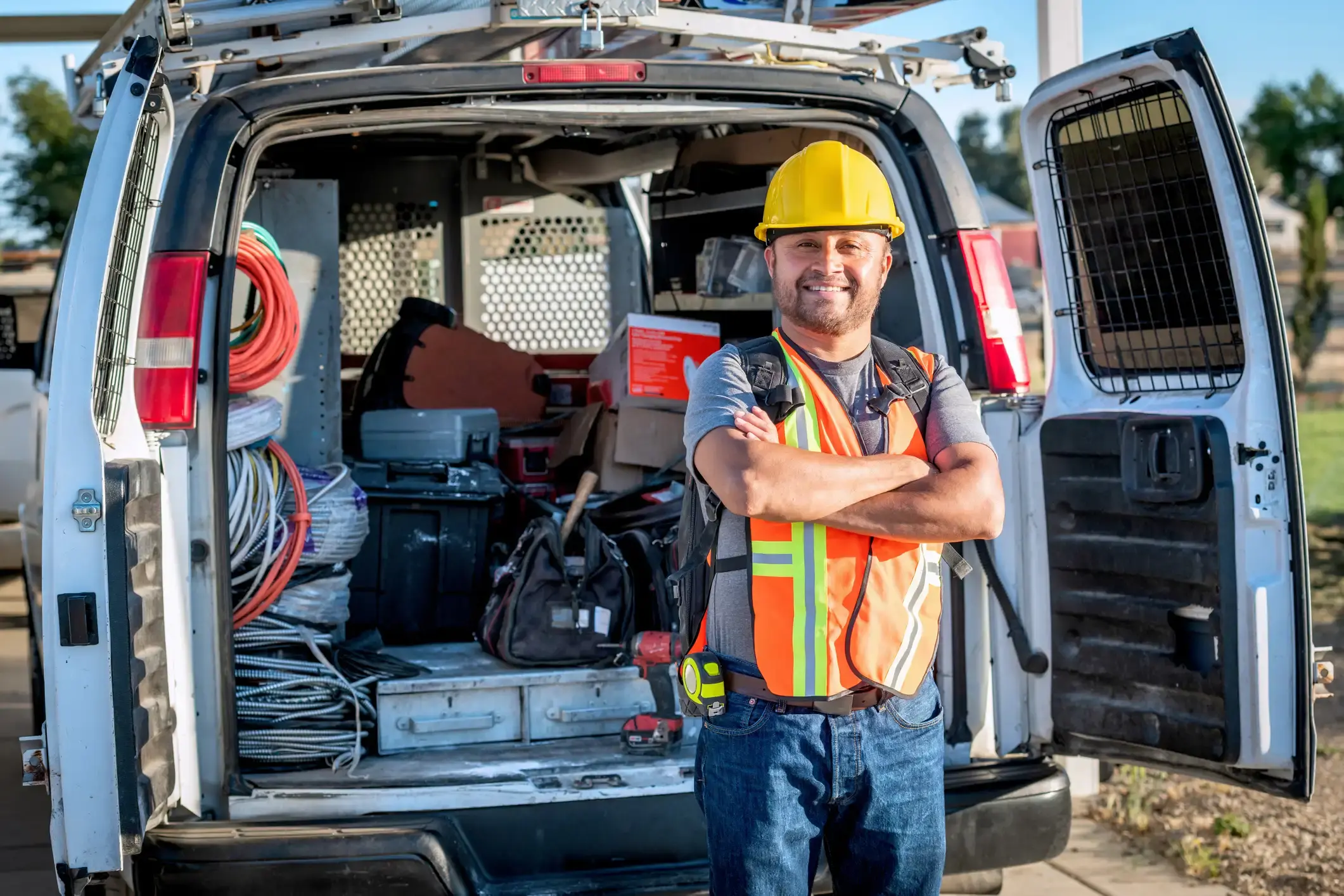
Business auto liability insurance plays a central role in protecting commercial operations across the United States, especially those dependent on work vans, light trucks, and medium-duty vehicles. With the growing number of contractors, service professionals, and small commercial fleets, understanding how this coverage functions has become increasingly important.
This article offers an overview of business auto liability and helps drivers and fleet owners make informed decisions about protecting people, third-party property, and business operations.
The Importance of Business Auto Liability
Commercial vehicles operate in environments where exposure to potential accidents, property damage, and bodily injury is significantly higher compared with personal-use driving. For small businesses operating Class 1-6 vehicles, one serious at-fault accident without adequate coverage could significantly impact a company’s financial stability.
Business auto liability insurance addresses these exposures by providing financial protection when a commercial vehicle is involved in an at-fault accident that causes injury or property damage to others. This form of commercial auto insurance differs from personal auto coverage, as it is structured around the operational realities of business use—such as regular job-site travel, deliveries, equipment transport, and higher annual mileage.
The Federal Motor Carrier Safety Administration (FMCSA) establishes liability requirements for certain types of commercial transportation operations, particularly for-hire carriers. However, many local and regional businesses fall outside those federal requirements while still needing consistent, regulated liability coverage for everyday operations. Business auto liability helps close that gap.
Industries and Operations Covered Under Business Auto Liability
Business auto liability generally focuses on Class 1–6 commercial vehicles, such as pickups, service vans, box trucks, and smaller specialty units. These vehicles support a broad range of industries that rely on mobility as part of everyday work.
Construction and Skilled Trades
Construction and trade businesses frequently operate work vans and light trucks that carry tools, materials, and crews to multiple job sites each day. Electrical, plumbing, heating and air conditioning, carpentry, roofing, concrete, and remodeling operations often depend on commercial auto insurance for contractors tailored to frequent local travel and heavy equipment loading. More detailed pickup-specific insights appear in the article on commercial pickup truck insurance.
Retail, Food, and Consumer Services
Retailers and food-related businesses increasingly provide home delivery and in-home services. Grocery and food operations, furniture and appliance retailers, and hardware or building material suppliers commonly use light commercial vehicles for scheduled deliveries. Business auto liability insurance supports these activities as vehicles move between stores, warehouses, and customer locations. Additional context on box truck coverage appears in STAR Mutual RRG’s article on liability coverage for box trucks.
Professional and Service Industries
Service-based organizations operate vehicles that function as mobile workplaces. Janitorial and building maintenance providers, landscaping and lawn-care businesses, property management and real estate professionals, repair and installation specialists, pest control companies, and home-care or visiting nurse services all rely on predictable commercial vehicle coverage. Frequent starts and stops, backing in confined spaces, and parking near customer facilities create patterns of risk that differ from long-haul trucking. The importance of liability protection for vans and service vehicles is further discussed in STAR Mutual RRG’s overview of cargo van liability coverage.
Transportation and Specialty Services (Non–For-Hire)
Several non–for-hire transportation activities also fit within business auto liability programs. Courier and messenger services, snow removal and ice management, debris removal, and firewood delivery often rely on small fleets of Class 1–6 units. These operations may not meet the regulatory definition of a motor carrier under FMCSA rules, yet still benefit from structured business car insurance aligned with local and regional routes.
How Business Auto Liability Differs From Trucking Liability
Although both areas fall under the broader category of commercial auto insurance, business auto liability and traditional trucking coverage address different risk profiles.
Light- and Medium-Duty Vehicle Focus
Heavy Class 7–8 trucks typically operate under long-haul or regional freight patterns, with trailers, high-value cargo, and interstate exposure. Business auto programs concentrate on vehicles such as service vans, pickups, and box trucks that work primarily within a defined radius. Underwriting may therefore place more emphasis on business type, trip patterns, and garaging locations rather than long-haul freight considerations.
Regulatory Context
Motor carriers that meet FMCSA definitions face specific federal financial responsibility standards and may require endorsements such as MCS-90. Business auto liability programs for contractors, local delivery operators, and service fleets generally apply to risks outside those for-hire categories. As a result, the regulatory environment may be simpler, while still respecting state-level insurance requirements and minimum liability limits.
Insurance Coverage Aligned With Local Operations
Accidents involving contractor vans, delivery trucks, or service vehicles often occur in parking lots, driveways, loading areas, and residential streets. These collisions might involve low speeds yet still lead to injuries or property damage. These realities shape the core coverages that small businesses depend on.
Essential Coverages for Class 1-6 Commercial Vehicles
Understanding the core components of a business auto policy helps ensure adequate protection:
Primary Liability Insurance: Covers bodily injury and property damage caused to others. While state minimums vary widely, small businesses should seriously consider $1 million+ limits given rising medical and repair costs.
Physical Damage Coverage: Protects vehicles against collision, theft, vandalism, and other direct damage. Important for maintaining business continuity after an incident.
Cost Factors Specific to Class 1-6 Commercial Vehicles
Insurance premiums for light commercial vehicles depend on several key variables:
Vehicle Type and Size: Larger or more specialized commercial vehicles may carry higher risk exposure than standard work vans or pickups.
Business Use: Operational patterns differ across industries; hauling materials, transporting equipment, or completing multiple service calls each day may influence overall risk.
Radius of Operation: Local driving typically reflects lower exposure than regional or extended travel.
Driver Background: Driving histories for employees, temporary drivers, and owner-operators may affect overall risk assessments.
Common Mistakes to Avoid
Even well-structured commercial auto insurance programs may fall short if certain risk factors remain unaddressed. Several common oversights contribute to coverage gaps, including:
Using Personal Policies for Business Use: Most personal auto policies explicitly exclude regular business use, creating coverage gaps.
Underinsuring: Choosing state minimums that won't cover a serious accident.
Failing to Update Policies: Not adding new vehicles or drivers promptly.
Ignoring Contractual Requirements: Many client contracts require specific liability limits and endorsements.
Building a Safer Future for Business Auto
Business auto liability occupies a unique and essential place within the U.S. commercial insurance landscape. It serves contractors, service providers, delivery operations, and other local businesses that rely on light and medium commercial vehicles rather than heavy trucking fleets. Clear coverage guidelines, state-specific requirements, and practical risk considerations offer a strong foundation for commercial operations seeking dependable protection.
STAR Mutual RRG continues to support transportation, service, and commercial industries through commercial auto liability, uninsured/underinsured motorist protection, and personal injury protection, tailored to commercial vehicle operations. Physical damage coverage is available separately through our partner, Reliable Transportation Association, for businesses seeking comprehensive vehicle protection.
Business auto liability insurance plays a central role in protecting commercial operations across the United States, especially those dependent on work vans, light trucks, and medium-duty vehicles. With the growing number of contractors, service professionals, and small commercial fleets, understanding how this coverage functions has become increasingly important.
This article offers an overview of business auto liability and helps drivers and fleet owners make informed decisions about protecting people, third-party property, and business operations.
The Importance of Business Auto Liability
Commercial vehicles operate in environments where exposure to potential accidents, property damage, and bodily injury is significantly higher compared with personal-use driving. For small businesses operating Class 1-6 vehicles, one serious at-fault accident without adequate coverage could significantly impact a company’s financial stability.
Business auto liability insurance addresses these exposures by providing financial protection when a commercial vehicle is involved in an at-fault accident that causes injury or property damage to others. This form of commercial auto insurance differs from personal auto coverage, as it is structured around the operational realities of business use—such as regular job-site travel, deliveries, equipment transport, and higher annual mileage.
The Federal Motor Carrier Safety Administration (FMCSA) establishes liability requirements for certain types of commercial transportation operations, particularly for-hire carriers. However, many local and regional businesses fall outside those federal requirements while still needing consistent, regulated liability coverage for everyday operations. Business auto liability helps close that gap.
Industries and Operations Covered Under Business Auto Liability
Business auto liability generally focuses on Class 1–6 commercial vehicles, such as pickups, service vans, box trucks, and smaller specialty units. These vehicles support a broad range of industries that rely on mobility as part of everyday work.
Construction and Skilled Trades
Construction and trade businesses frequently operate work vans and light trucks that carry tools, materials, and crews to multiple job sites each day. Electrical, plumbing, heating and air conditioning, carpentry, roofing, concrete, and remodeling operations often depend on commercial auto insurance for contractors tailored to frequent local travel and heavy equipment loading. More detailed pickup-specific insights appear in the article on commercial pickup truck insurance.
Retail, Food, and Consumer Services
Retailers and food-related businesses increasingly provide home delivery and in-home services. Grocery and food operations, furniture and appliance retailers, and hardware or building material suppliers commonly use light commercial vehicles for scheduled deliveries. Business auto liability insurance supports these activities as vehicles move between stores, warehouses, and customer locations. Additional context on box truck coverage appears in STAR Mutual RRG’s article on liability coverage for box trucks.
Professional and Service Industries
Service-based organizations operate vehicles that function as mobile workplaces. Janitorial and building maintenance providers, landscaping and lawn-care businesses, property management and real estate professionals, repair and installation specialists, pest control companies, and home-care or visiting nurse services all rely on predictable commercial vehicle coverage. Frequent starts and stops, backing in confined spaces, and parking near customer facilities create patterns of risk that differ from long-haul trucking. The importance of liability protection for vans and service vehicles is further discussed in STAR Mutual RRG’s overview of cargo van liability coverage.
Transportation and Specialty Services (Non–For-Hire)
Several non–for-hire transportation activities also fit within business auto liability programs. Courier and messenger services, snow removal and ice management, debris removal, and firewood delivery often rely on small fleets of Class 1–6 units. These operations may not meet the regulatory definition of a motor carrier under FMCSA rules, yet still benefit from structured business car insurance aligned with local and regional routes.
How Business Auto Liability Differs From Trucking Liability
Although both areas fall under the broader category of commercial auto insurance, business auto liability and traditional trucking coverage address different risk profiles.
Light- and Medium-Duty Vehicle Focus
Heavy Class 7–8 trucks typically operate under long-haul or regional freight patterns, with trailers, high-value cargo, and interstate exposure. Business auto programs concentrate on vehicles such as service vans, pickups, and box trucks that work primarily within a defined radius. Underwriting may therefore place more emphasis on business type, trip patterns, and garaging locations rather than long-haul freight considerations.
Regulatory Context
Motor carriers that meet FMCSA definitions face specific federal financial responsibility standards and may require endorsements such as MCS-90. Business auto liability programs for contractors, local delivery operators, and service fleets generally apply to risks outside those for-hire categories. As a result, the regulatory environment may be simpler, while still respecting state-level insurance requirements and minimum liability limits.
Insurance Coverage Aligned With Local Operations
Accidents involving contractor vans, delivery trucks, or service vehicles often occur in parking lots, driveways, loading areas, and residential streets. These collisions might involve low speeds yet still lead to injuries or property damage. These realities shape the core coverages that small businesses depend on.
Essential Coverages for Class 1-6 Commercial Vehicles
Understanding the core components of a business auto policy helps ensure adequate protection:
Primary Liability Insurance: Covers bodily injury and property damage caused to others. While state minimums vary widely, small businesses should seriously consider $1 million+ limits given rising medical and repair costs.
Physical Damage Coverage: Protects vehicles against collision, theft, vandalism, and other direct damage. Important for maintaining business continuity after an incident.
Cost Factors Specific to Class 1-6 Commercial Vehicles
Insurance premiums for light commercial vehicles depend on several key variables:
Vehicle Type and Size: Larger or more specialized commercial vehicles may carry higher risk exposure than standard work vans or pickups.
Business Use: Operational patterns differ across industries; hauling materials, transporting equipment, or completing multiple service calls each day may influence overall risk.
Radius of Operation: Local driving typically reflects lower exposure than regional or extended travel.
Driver Background: Driving histories for employees, temporary drivers, and owner-operators may affect overall risk assessments.
Common Mistakes to Avoid
Even well-structured commercial auto insurance programs may fall short if certain risk factors remain unaddressed. Several common oversights contribute to coverage gaps, including:
Using Personal Policies for Business Use: Most personal auto policies explicitly exclude regular business use, creating coverage gaps.
Underinsuring: Choosing state minimums that won't cover a serious accident.
Failing to Update Policies: Not adding new vehicles or drivers promptly.
Ignoring Contractual Requirements: Many client contracts require specific liability limits and endorsements.
Building a Safer Future for Business Auto
Business auto liability occupies a unique and essential place within the U.S. commercial insurance landscape. It serves contractors, service providers, delivery operations, and other local businesses that rely on light and medium commercial vehicles rather than heavy trucking fleets. Clear coverage guidelines, state-specific requirements, and practical risk considerations offer a strong foundation for commercial operations seeking dependable protection.
STAR Mutual RRG continues to support transportation, service, and commercial industries through commercial auto liability, uninsured/underinsured motorist protection, and personal injury protection, tailored to commercial vehicle operations. Physical damage coverage is available separately through our partner, Reliable Transportation Association, for businesses seeking comprehensive vehicle protection.
Contents
Stay up-to-date
Related Post

Become a STAR Agent
Become a STAR Agent
Get access to unparalleled technology-based service to quote and bind your clients in minutes.
Get appointed
Thousands of agents across the United States | Same-day quotes, ready to bind

STAR Mutual Risk Retention Group offers commercial auto liability insurance to the members of Reliable Transportation Association (“RTA”), looking for accessible and reliable coverage.
Contact
855-5MY-STAR (855-569-7827)
STAR Mutual RRG
PO Box 51414, Philadelphia
PA 19115
General inquiries:
Agent inquiries:
Claim inquiries:
The information presented on this website is for general informational purposes only and does not constitute legal, regulatory, or business advice. Readers are encouraged to consult with qualified legal or insurance professionals regarding questions specific to their circumstances.
The content is provided for general informational purposes only and does not constitute an offer to sell, or a solicitation of an offer to buy, insurance in any jurisdiction where STAR Mutual RRG is not licensed or registered. Any description of coverage is general and subject to the terms, conditions, and exclusions of the actual policy.
STAR Mutual Risk Retention Group offers commercial auto liability insurance to the members of Reliable Transportation Association (“RTA”), looking for accessible and reliable coverage.
Contact
855-5MY-STAR (855-569-7827)
STAR Mutual RRG
PO Box 51414, Philadelphia
PA 19115
General inquiries:
Agent inquiries:
Claim inquiries:
The information presented on this website is for general informational purposes only and does not constitute legal, regulatory, or business advice. Readers are encouraged to consult with qualified legal or insurance professionals regarding questions specific to their circumstances.
The content is provided for general informational purposes only and does not constitute an offer to sell, or a solicitation of an offer to buy, insurance in any jurisdiction where STAR Mutual RRG is not licensed or registered. Any description of coverage is general and subject to the terms, conditions, and exclusions of the actual policy.
STAR Mutual Risk Retention Group offers commercial auto liability insurance to the members of Reliable Transportation Association (“RTA”), looking for accessible and reliable coverage.
Contact
855-5MY-STAR (855-569-7827)
STAR Mutual RRG
PO Box 51414, Philadelphia
PA 19115
General inquiries:
Agent inquiries:
Claim inquiries:
The information presented on this website is for general informational purposes only and does not constitute legal, regulatory, or business advice. Readers are encouraged to consult with qualified legal or insurance professionals regarding questions specific to their circumstances.
The content is provided for general informational purposes only and does not constitute an offer to sell, or a solicitation of an offer to buy, insurance in any jurisdiction where STAR Mutual RRG is not licensed or registered. Any description of coverage is general and subject to the terms, conditions, and exclusions of the actual policy.
© 2026 - STAR Mutual RRG. All rights reserved.